



The Peppa Pig Controversy: Gender Stereotypes and Unexpected Criticism
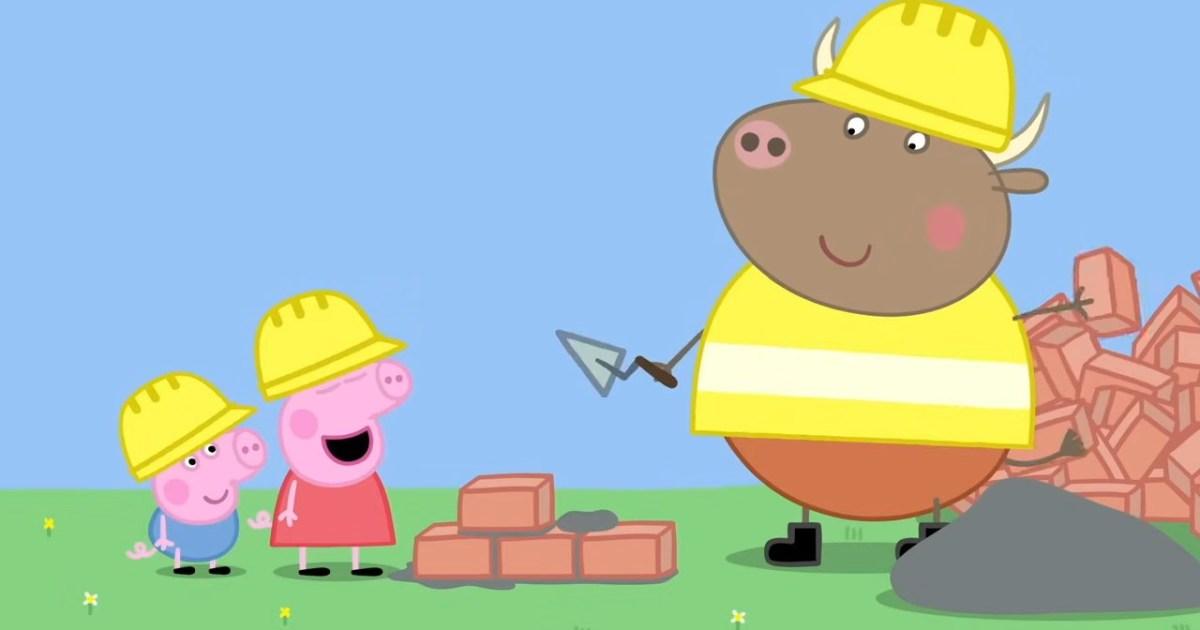
The beloved children’s cartoon, Peppa Pig, has found itself at the center of an unexpected controversy sparked by Marta Serrano, Spain’s secretary general for land transport. Serrano argued that the show perpetuates gender stereotypes by predominantly portraying male characters in construction and worker roles. She expressed concern that programs like Peppa Pig and Paw Patrol present a "social and cultural challenge" by reinforcing the idea that jobs involving physical labor are exclusively for men. Serrano linked this portrayal to the underrepresentation of women in fields like road maintenance, citing the statistic that only about 11% of the workforce in this sector in Spain is female. She even shared a personal anecdote about her own daughter absorbing these stereotypes and believing that the transport industry was not a suitable career path for women.
Serrano’s comments ignited a debate about the role of media in shaping children’s perceptions of gender roles. Her concerns highlight the broader issue of gender disparity in traditionally male-dominated industries. The lack of female representation in these fields can discourage girls from pursuing careers in these areas, perpetuating the cycle of underrepresentation. Serrano’s remarks underscore the importance of challenging these stereotypes from a young age and providing positive role models for girls to aspire to. Her critique of Peppa Pig raises questions about the subtle ways media can influence children’s understanding of the world and the limitations they might internalize based on gender.
However, Serrano’s criticism of Peppa Pig was met with strong opposition, particularly from UK Conservative MP Greg Smith. Smith dismissed Serrano’s arguments as "absolute nonsense," pointing out the presence of female characters in diverse roles within the show, such as Mummy Pig the firefighter and Miss Rabbit the pilot. He highlighted these examples as evidence of positive female representation within the Peppa Pig universe, challenging Serrano’s assertion that the show exclusively portrays men in worker roles. Smith’s defense of Peppa Pig reflects a broader skepticism about attributing societal problems to children’s entertainment. His response suggests a belief that the show offers harmless entertainment and should not be held responsible for complex societal issues like gender inequality in the workforce.
The Peppa Pig controversy is not an isolated incident. The popular cartoon has faced criticism from various sources in the past, ranging from accusations of LGBTQ+ "propaganda" by a Russian politician to concerns about medical inaccuracies and ethical breaches by a British GP. These diverse critiques highlight the different ways individuals and groups can interpret and react to children’s media. While some may view cartoons as simple entertainment, others see them as powerful tools that can shape children’s values and beliefs. The varying interpretations of Peppa Pig underscore the subjective nature of media analysis and the diverse perspectives that can arise when evaluating its impact on young audiences.
The ongoing debate about Peppa Pig’s portrayal of gender roles raises important questions about the responsibility of children’s media in promoting inclusivity and challenging stereotypes. While some argue that cartoons should reflect the diversity of real-world professions and actively challenge traditional gender roles, others believe that such expectations place undue burden on children’s entertainment. The controversy highlights the ongoing tension between entertainment and social responsibility in media targeted at young audiences. Finding a balance between creating engaging content and promoting positive social values remains a complex challenge for creators of children’s media.
The Peppa Pig controversy also underscores the importance of media literacy and critical thinking. Parents and educators play a crucial role in helping children analyze and interpret the media they consume, fostering a nuanced understanding of its potential impact. Encouraging children to question stereotypes and engage in critical discussions about media representations can empower them to become more discerning consumers of information and entertainment. The controversy surrounding Peppa Pig serves as a reminder that even seemingly innocuous children’s entertainment can spark important conversations about social issues and the role of media in shaping our perceptions of the world.