


Sweden’s Proactive Approach to National Preparedness: A Model for the UK?
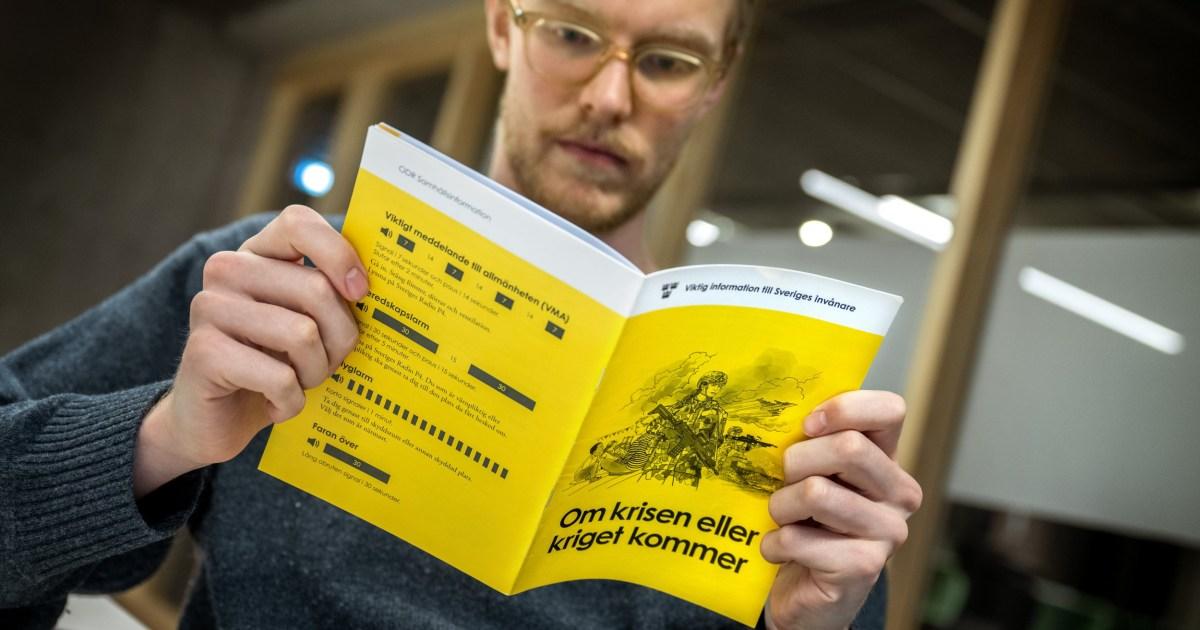
In a world grappling with increasing geopolitical instability and the looming threat of large-scale conflicts, nations are reassessing their preparedness strategies. Sweden, a country renowned for its neutral stance throughout much of history, has taken a proactive approach to safeguarding its citizens by distributing a comprehensive war pamphlet to millions of households. This 32-page document, titled "In Case of Crisis or War," provides practical guidance on surviving various emergencies, ranging from armed conflicts and terrorist attacks to natural disasters and cyber threats. The pamphlet emphasizes the importance of individual and community resilience, offering advice on stockpiling essential supplies, securing digital information, and accessing civilian shelters. This proactive measure has sparked discussions in other countries, including the UK, about the necessity of similar preparedness initiatives.
The UK’s Defence Secretary, John Healey, has acknowledged the potential value of learning from Sweden’s approach. He highlighted the "rising level and complexity of threats" facing the UK, emphasizing the need for a resilient society capable of responding effectively to emergencies. While no concrete plans for a UK version of the war pamphlet have been announced, Healey’s comments suggest a growing recognition of the importance of public preparedness. The recent incident involving a Russian spy ship in British waters has further underscored the need for vigilance and readiness in the face of potential threats.
Sweden’s war pamphlet represents a significant shift in the country’s approach to national security. Traditionally a neutral nation, Sweden has increasingly aligned itself with NATO in recent years, culminating in its full membership in 2023. This move reflects a growing awareness of the changing security landscape in Europe and the need for collective defense. The pamphlet itself is a testament to Sweden’s commitment to preparing its citizens for the realities of a potential conflict, providing practical advice on everything from securing food and water to coping with the psychological impact of war.
Finland, another Nordic country that joined NATO in 2022, has also issued a similar pamphlet titled "Preparing for incidents and crises." Both pamphlets share a common focus on empowering citizens with the knowledge and skills to navigate various emergency scenarios. They cover topics such as finding shelter, protecting homes, maintaining psychological well-being, securing digital information, and responding to terrorist attacks. This comprehensive approach reflects a recognition that preparedness involves not only physical safety but also mental resilience and the ability to adapt to rapidly changing circumstances.
The distribution of these pamphlets signifies a broader trend towards greater public awareness and engagement in national security. In an era of increasing interconnectedness and complex threats, governments are recognizing the importance of empowering citizens to play an active role in protecting themselves and their communities. These initiatives aim to foster a culture of preparedness, where individuals understand the potential risks and have the resources and knowledge to respond effectively.
The question remains whether the UK will follow Sweden’s lead and develop its own version of a war pamphlet. While no official plans have been announced, the Defence Secretary’s comments suggest a growing openness to the idea. The UK faces a similar set of challenges as Sweden, including the threat of hybrid warfare, cyberattacks, and natural disasters. Adopting a proactive approach to preparedness, like that of Sweden and Finland, could enhance the UK’s resilience and ability to navigate these complex challenges. The exchange of best practices between NATO allies, such as learning from the Swedish and Finnish models, could prove invaluable in strengthening collective security and preparing for the uncertainties of the future. The discussion sparked by Sweden’s initiative highlights the evolving nature of national security and the growing importance of public preparedness in an increasingly volatile world.