

Vladimir Putin’s regime in Russia is systematically indoctrinating its youth, molding them into loyal supporters of the Kremlin and fostering animosity towards the West. This calculated strategy, intensified since the invasion of Ukraine, aims to quell dissent and ensure the longevity of Putin’s ideology. Experts warn of a “Putin generation” emerging in the next decade, thoroughly indoctrinated and fiercely loyal to the regime. This brainwashing campaign targets children from kindergarten through university, exploiting their vulnerability and impressionability. Putin’s regime recognizes the necessity of popular support, especially in the context of what it perceives as a war against the West, hence the intensified focus on manipulating the youth.
The Kremlin’s indoctrination program operates on three primary pillars: compulsory patriotic education, extracurricular activities reinforcing pro-regime narratives, and censorship of independent information sources. Compulsory patriotic education involves revised history textbooks that glorify the Soviet Union, downplay Stalin’s atrocities, and blame the West for global conflicts. These lessons frame the Ukraine invasion as a “special military operation,” justifying Russia’s aggression and demonizing Ukraine. The curriculum instills a distorted reality, shaping young minds to accept the Kremlin’s narrative without question.
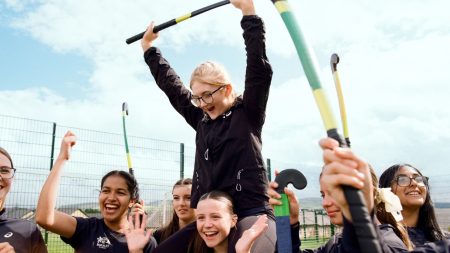
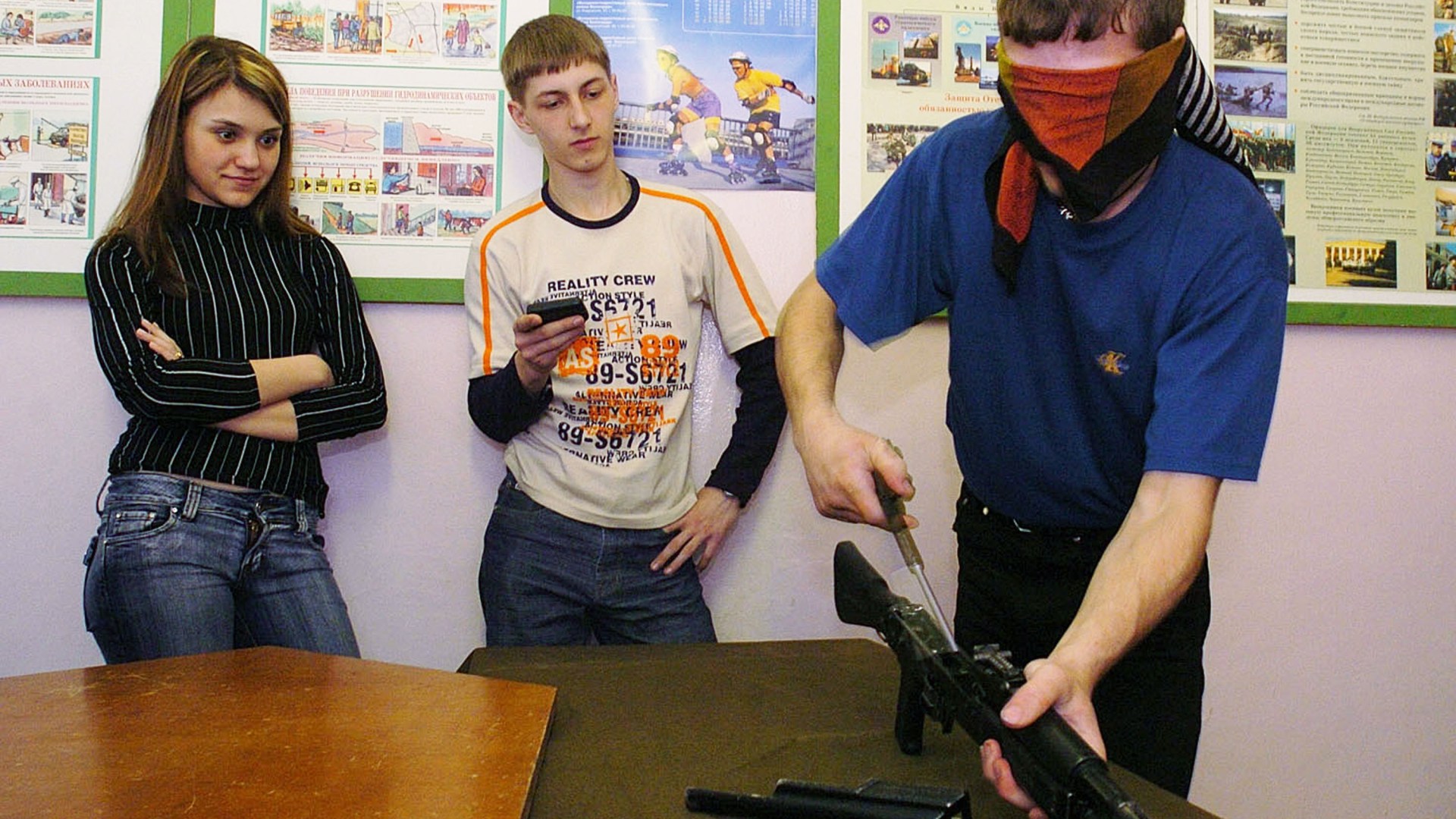
Beyond the classroom, extracurricular activities further solidify the indoctrination. Children participate in meetings with veterans of the Ukraine war, patriotic poetry sessions, and drawing activities, all designed to reinforce pro-regime sentiments. Military-patriotic organizations like Yunarmiya and Dvizheniye Pervykh train children in military skills, including grenade throwing and Kalashnikov assembly. This early exposure to militarism normalizes violence and fosters a sense of duty towards the state.
The digital realm plays a crucial role in this propaganda campaign. The Kremlin invests heavily in cultivating patriotic influencers and online content creators who disseminate state-approved narratives in a format appealing to young audiences. Humor, memes, and popular trends are strategically employed to engage youth and counteract dissenting opinions. Simultaneously, the regime restricts access to independent media and online resources, creating an information vacuum filled solely by pro-Kremlin propaganda. This comprehensive control over information flow leaves young people with limited exposure to alternative viewpoints, hindering critical thinking and reinforcing the state’s narrative.
Belarus, a close ally of Russia, is also implicated in this scheme, accused of abducting thousands of Ukrainian children. These children are reportedly sent to “rehabilitation” camps in Belarus where they are subjected to intense indoctrination, forced to speak Russian, and enrolled in patriotic youth military movements. This forced assimilation aims to erase their Ukrainian identity and potentially integrate them into the Belarusian or Russian military. These actions are considered a form of cultural genocide, aimed at severing the children’s ties to their homeland and shaping them into future soldiers for Russia’s cause.
The long-term consequences of this widespread indoctrination are deeply concerning. A generation raised on manipulated history, militaristic values, and a distorted worldview poses a significant threat to regional stability and democratic values. This systematic brainwashing not only silences dissent within Russia but also cultivates a generation predisposed to hostility towards the West. The international community must recognize the severity of this situation and take appropriate measures to counter this dangerous trend. The future of these children hangs in the balance, as does the prospect of peaceful coexistence with a Russia dominated by a generation indoctrinated to believe in the Kremlin’s distorted reality. The abduction and indoctrination of Ukrainian children further underscores the brutality of this strategy, turning innocent victims into potential tools of future conflict.