

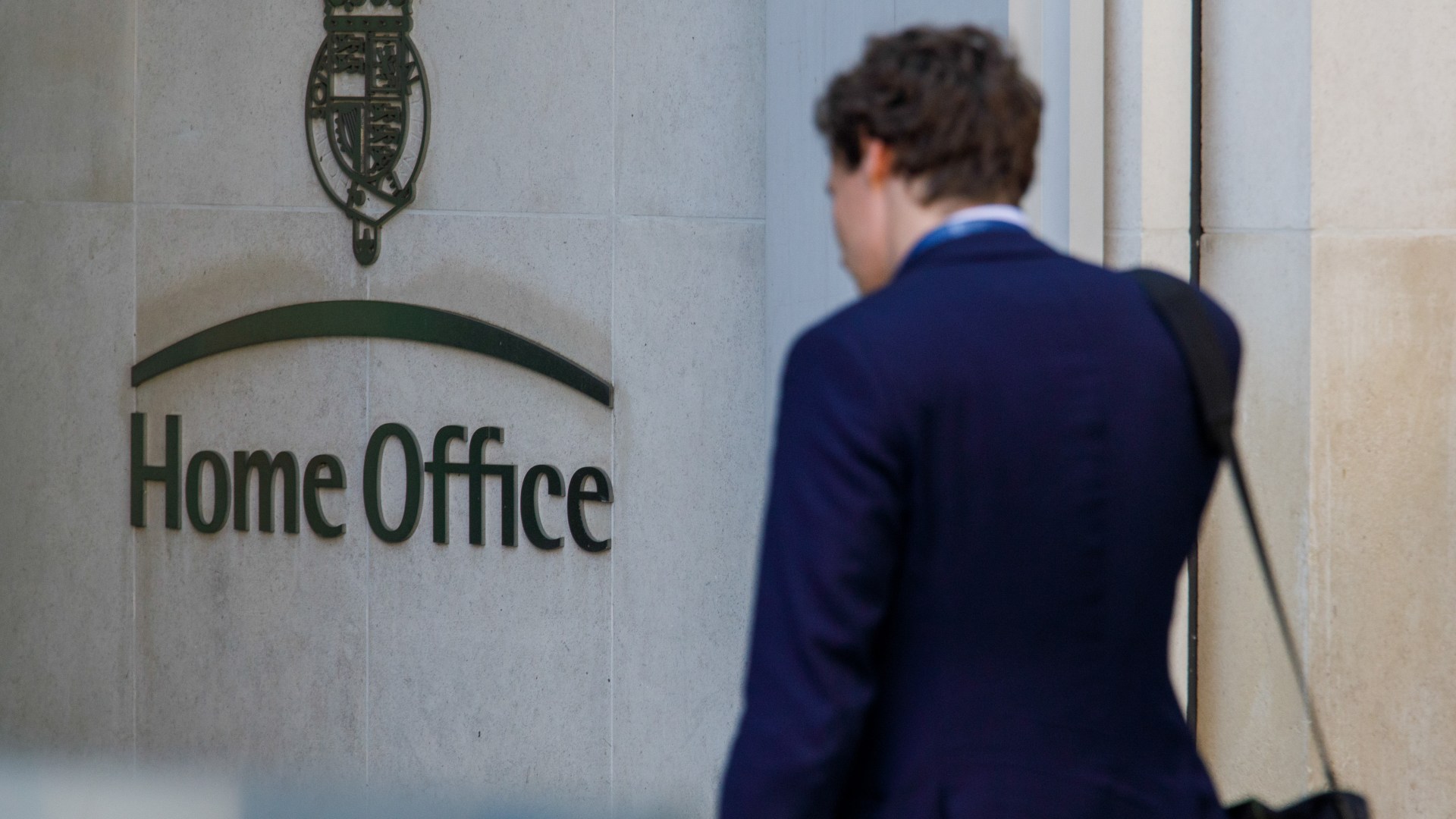
The leaked Home Office report, titled “Rapid Analytical Sprint,” has ignited a controversy by suggesting that claims of two-tier policing, where law enforcement is perceived as treating some groups differently than others, are part of a “right-wing extremist narrative.” This assertion clashes with public concerns, particularly following incidents like the Southport riots, where accusations of biased policing arose. The report, which aims to map extremism threats, appears to deprioritize the threat of Islamist extremism, despite data indicating its significant role in UK terrorism fatalities since 1999. Instead, it proposes broadening the focus to include “behaviours of concern,” such as misogyny, conspiracy theories, and online fixation on violence, even in the absence of a clear ideology. This shift in focus has raised concerns about diluting counter-terrorism efforts and potentially impinging on free speech.
The controversy surrounding the leaked report is further fueled by its proposal to reverse the Conservative government’s decision to limit the recording of “non-crime hate incidents.” This reversal could lead to a significant increase in recorded incidents, potentially overwhelming counter-extremism resources and diverting attention from genuine threats. Critics, including the Policy Exchange think tank, argue that this broader approach risks “swamping” counter-terrorism efforts and making it harder to identify truly dangerous individuals. Furthermore, the expanded definition of extremism raises concerns about chilling legitimate political debate and potentially targeting individuals expressing controversial, yet non-violent, viewpoints.
The report’s focus on “behaviours of concern,” such as misogyny and online fascination with violence, highlights a shift in understanding extremism beyond traditional ideological frameworks. While these behaviours can be concerning and potentially indicative of future radicalization, critics argue that focusing on them in the absence of a clear link to extremist ideology could lead to overreach and the targeting of individuals who pose no real threat. This approach also raises questions about the appropriate role of law enforcement in policing online behavior and the potential for subjective interpretation of what constitutes a “fixation on gore and violence.”
The juxtaposition of the Home Office report with the Children’s Commissioner’s report on the Southport riots further complicates the narrative. The Commissioner’s report concludes that the young people involved in the riots were not primarily motivated by racism or far-right misinformation, contradicting the narrative that had emerged in some quarters. This finding underscores the complexity of understanding the motivations behind such incidents and the need for careful analysis before attributing them to specific ideologies. The conflicting reports highlight the ongoing debate about the nature and drivers of extremism in the UK and the most effective strategies for addressing it.
The timing of the leaked report coincides with the largest terror training exercise ever held in London, underscoring the continued focus on counter-terrorism preparedness. The exercise, involving over 1,000 participants, demonstrates the commitment to maintaining a high level of readiness for potential attacks. However, the controversy surrounding the Home Office report raises questions about whether resources are being directed towards the most pressing threats and whether the proposed changes in strategy will ultimately enhance or hinder counter-terrorism efforts.
Finally, the leaked report and the surrounding debate highlight the challenges of balancing security concerns with the protection of civil liberties. The broadening definition of extremism and the potential for increased surveillance raise concerns about the impact on free speech and the potential for government overreach. The controversy underscores the need for a nuanced and evidence-based approach to counter-extremism that effectively addresses real threats while safeguarding fundamental rights. The Home Office’s statement that the report’s findings have not been formally adopted suggests that the government is aware of the sensitivities involved and is considering the potential implications of the proposed changes. The debate is likely to continue as policymakers grapple with the complex challenges of addressing extremism in a rapidly changing environment.