



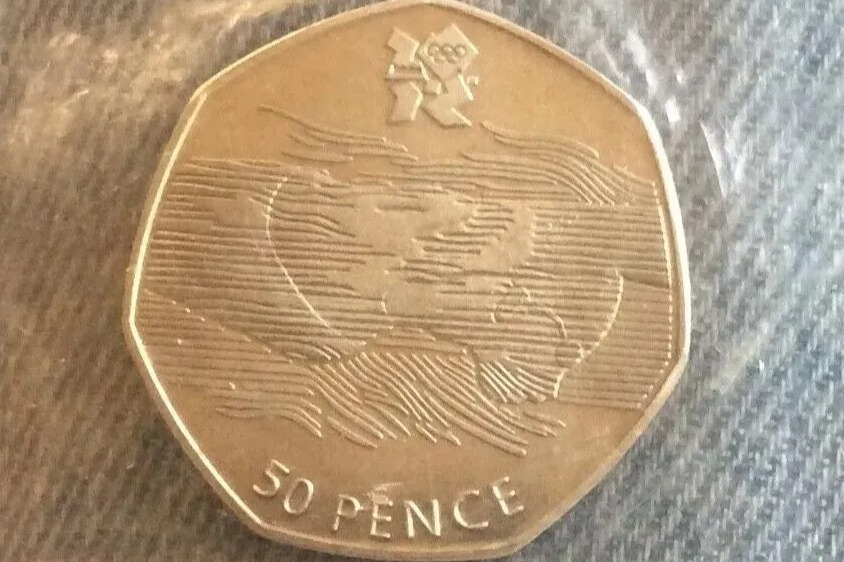
The numismatic world is abuzz with the news of an exceptionally rare 50 pence coin selling for a staggering £4,000 on eBay, a value 8,000 times its face value. This particular coin, part of the 2011 London Olympics commemorative collection, features a swimmer on the reverse side. The rarity stems from a design error where the swimmer’s face is obscured by the ripples of the water. This error was quickly corrected, resulting in a limited number of these “lines over face” coins entering circulation. The Royal Mint itself acknowledges this version as “extra special,” highlighting the mystery surrounding the exact quantity released, which further fuels its desirability among collectors. This recent sale demonstrates the significant premium collectors are willing to pay for such unique pieces, transforming a seemingly ordinary 50p coin into a valuable asset.
The auction for the error coin witnessed a fervent bidding war involving 28 enthusiastic collectors, ultimately pushing the price to an impressive £4,000. This isn’t an isolated incident; similar coins with this specific error have achieved substantial sums in the past, with one fetching £1,500 in a previous sale. Experts attribute the high value to the scarcity and the intriguing narrative surrounding the error. The unknown quantity of these error coins in circulation only adds to their allure, making each discovery a potential treasure for collectors. The Royal Mint’s official description of the coin as “extra special” reinforces its collectability and contributes to the escalating prices.
The London 2012 Olympics coin series comprised 29 different designs, each celebrating a different sport. While the “lines over face” swimming coin holds a unique position due to the error, other coins from this set also command attention in the collector’s market. The football 50p coin, for instance, is considered the rarest within the official Olympic range, with a mintage of just 1,125,500. Beyond the Olympic series, the Kew Gardens 50p coin reigns supreme as the rarest 50p in circulation, with only 200,000 ever produced. This scarcity has driven its value significantly higher, with some examples fetching close to £900 on eBay.
The world of rare coins offers an exciting opportunity for both seasoned collectors and those new to the hobby. Several factors contribute to a coin’s rarity, including limited mintage figures set by the Royal Mint and manufacturing errors. The lower the mintage number, the higher the potential value, although this is not a hard and fast rule. Error coins, like the Olympics swimmer 50p, often command substantial premiums due to their unique characteristics and the stories behind their creation. Resources like the Royal Mint’s website and the Change Checker scarcity index provide valuable information for identifying and understanding rare coins.
The value of error coins can vary considerably depending on the specific error and the coin’s overall condition. Some notable examples include the HG Wells £2 error coin, which has been known to fetch up to £1,000, and bronze 20p coins selling for as much as £750. Even error £1 coins can command prices of up to £200. These examples highlight the potential for significant returns on investment for those fortunate enough to possess such rarities.
Selling a rare coin requires careful consideration. Online platforms like eBay and Facebook offer avenues for reaching potential buyers, but caution is advised. Scammers frequently target sellers on these platforms, particularly Facebook, often employing tactics like requesting upfront payment for a non-existent courier service. To mitigate risks, in-person transactions in safe, public locations are recommended. Auctions, especially those organized by reputable institutions like the Royal Mint’s Collector Service, provide a more secure and trustworthy environment for selling valuable coins. Their expert authentication and valuation services offer peace of mind for both buyers and sellers. While eBay remains a viable option, sellers should be aware of the associated fees, which typically include a 10% commission on the final sale price, including postage and packaging costs. Ultimately, the realized price of a rare coin depends on market demand, the coin’s specific attributes, and the chosen selling method.