



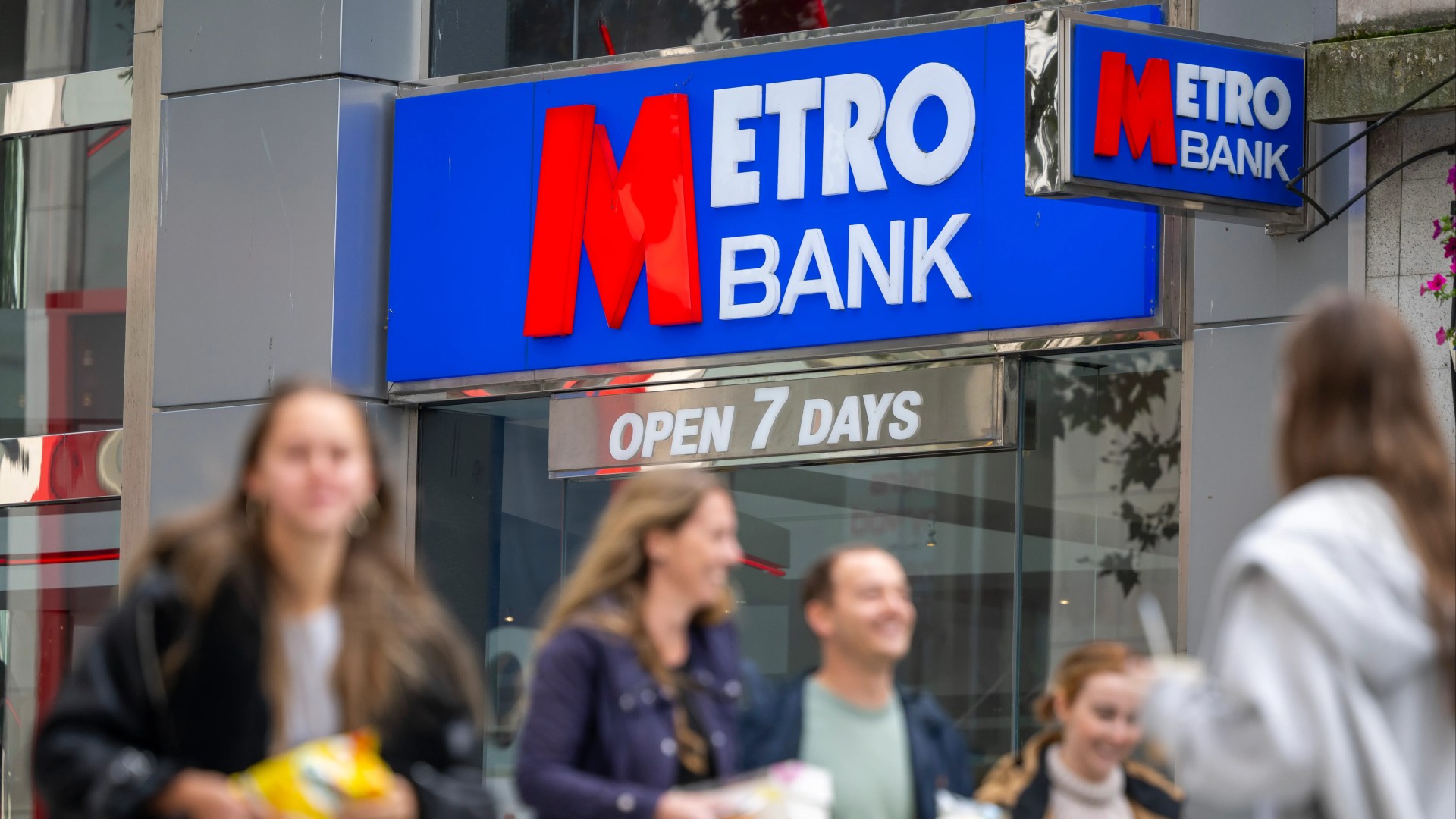
Metro Bank Extends Saturday Hours, Bucking Branch Closure Trend
Metro Bank is taking a customer-centric approach, extending Saturday opening hours at 32 branches across England and Wales. Starting February 1st, these branches will operate from 9:30 am to 5 pm, providing the longest Saturday hours of any high street bank. This move responds directly to customer feedback requesting more convenient Saturday banking access. While other Metro Bank locations maintain their standard weekday hours (9:30 am to 5 pm, Monday to Friday), this expansion demonstrates the bank’s commitment to customer service in a changing financial landscape. Customers can also continue to utilize the bank’s digital services, including the Metro Bank app, online banking, and telephone services, outside of branch hours. This proactive approach sets Metro Bank apart, emphasizing in-person banking options while acknowledging the growing trend toward digital finance.
Branch Closures Sweep the UK High Street: A Concerning Trend
In stark contrast to Metro Bank’s expansion, the UK banking sector faces a wave of branch closures. Since 2022, over 1,500 branches have been slated for closure, with major banks like NatWest, Lloyds, Halifax, and Bank of Scotland contributing significantly to this decline. The trend, driven by a shift towards online banking and cost-cutting measures, has accelerated, leaving many communities with diminished access to traditional banking services. This widespread closure phenomenon began in 2015, with over 6,000 branches shut down since then. NatWest alone closed nearly 70 branches in 2022 and 2023, reflecting the industry-wide move towards digital banking. The rapid pace of closures raises concerns about financial exclusion, especially for vulnerable populations like the elderly and those in rural areas with limited internet access.
The Impact of Branch Closures and Mitigation Efforts
The widespread closure of bank branches has prompted regulatory intervention. The Financial Conduct Authority (FCA) has implemented new rules requiring banks to ensure continued cash access for affected communities. This includes assessing the impact of closures, addressing significant gaps in cash services, and providing reasonable alternatives. These alternatives may include maintaining existing ATMs, establishing banking hubs, or utilizing Post Office facilities. Banking hubs, shared spaces where staff from multiple banks operate, offer a promising solution, allowing communities to retain access to essential banking services. They often include Post Office counters, enabling customers to perform routine transactions. Mobile banking services offered by some banks, operating from locations like village halls or libraries, further extend access to those affected by branch closures.
Metro Bank’s Strategic Expansion in a Changing Landscape
Metro Bank’s decision to extend Saturday hours signifies a distinct strategy in the face of widespread branch closures. While many banks are retrenching their physical presence, Metro Bank is investing in its branch network, enhancing accessibility for customers who prefer in-person banking services. This approach distinguishes them as a customer-focused institution, recognizing the ongoing need for face-to-face interactions, particularly for complex financial matters or those less digitally inclined. Their planned expansion into new locations further reinforces this commitment, indicating a long-term vision of maintaining a strong high street presence. This strategic approach positions them to attract customers who value the convenience and personalized service of traditional banking.
Navigating the Changing Banking Landscape: Consumer Options
For consumers facing branch closures, several options exist to maintain access to banking services. The Post Office offers basic banking services for most banks, including deposits, withdrawals, and balance inquiries. However, more complex transactions like loan applications or opening new accounts may still require visiting a bank branch or utilizing online services. Banking hubs are increasingly becoming a viable alternative, providing a central location for customers of multiple banks to conduct their banking needs. Mobile banking services, offered by some institutions, extend access to rural or underserved areas, bringing essential financial services directly to those impacted by closures. Keeping informed about available options, especially for those less comfortable with online banking, is crucial in adapting to the shifting banking landscape.
Mitigating Financial Exclusion in the Digital Age
While the shift to digital banking offers convenience and efficiency, it poses risks of financial exclusion for certain demographics. Older individuals, particularly those in rural areas with limited internet access, are disproportionately affected by branch closures. The FCA’s intervention mandates that banks address these accessibility challenges, ensuring that vulnerable populations retain access to essential financial services. Community engagement plays a crucial role in identifying and addressing service gaps, with residents and community groups empowered to request reviews and advocate for accessible banking solutions. The ongoing development of banking hubs and mobile banking services represents vital steps towards inclusive banking, bridging the gap between digital advancements and the needs of those less digitally engaged. Ultimately, a multifaceted approach, combining digital solutions with accessible physical services, is essential to ensuring equitable access to financial services for all.