

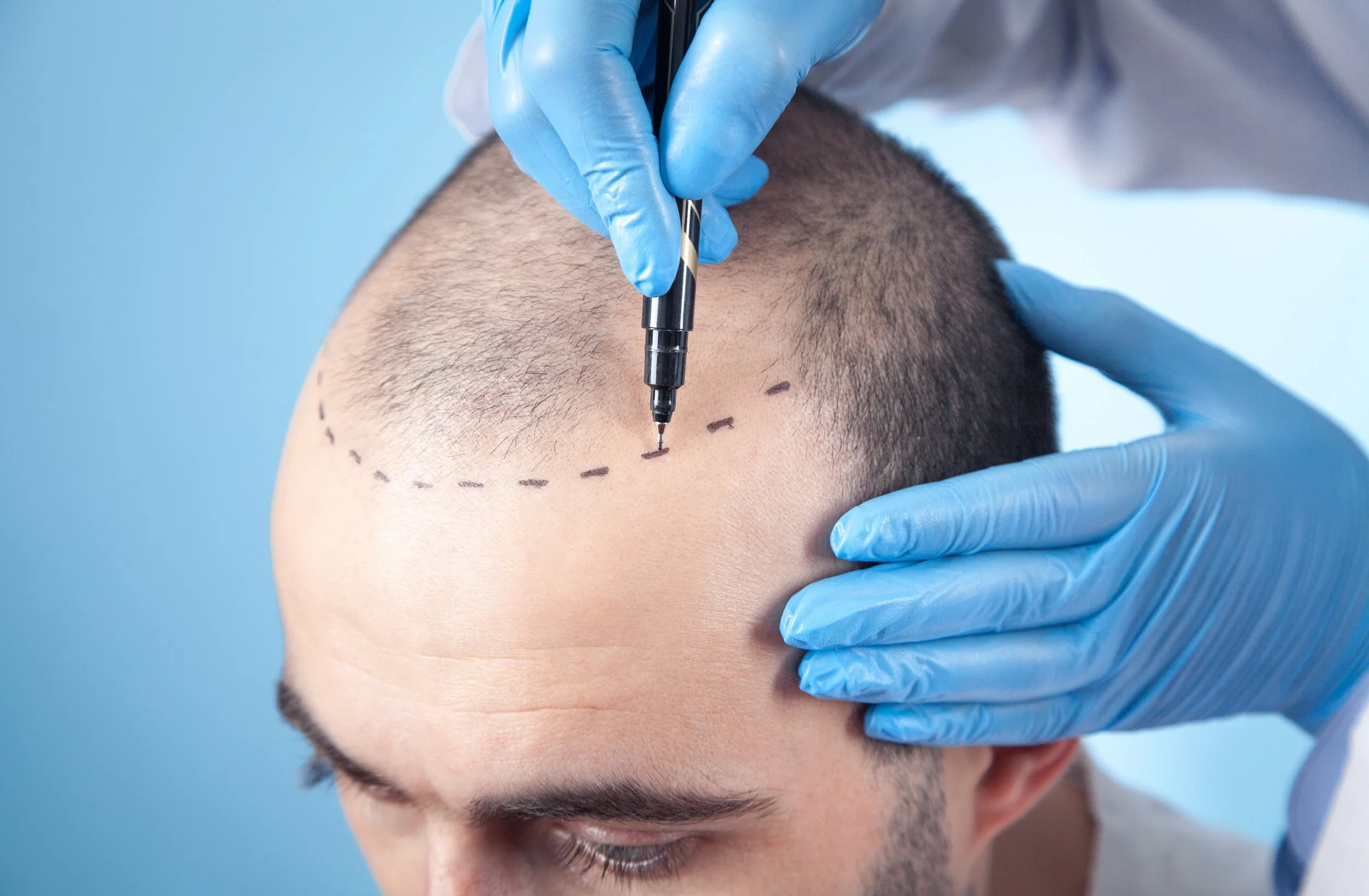
If you are a man (or woman) losing your hair, you know the specific anxieties that come with it. You know the panic of a windy day. You know the strategic way you comb your hair to cover the thinning spots. And you definitely know the sinking feeling of seeing a photo of the back of your head.
Hair transplants have exploded in popularity over the last few years, largely thanks to celebrities openly discussing them. The stigma is dead. However, social media has created a bit of a “magic wand” myth. You see the “before” photo and the “after” photo, but nobody talks about the twelve months in between.
If you are considering this procedure, it is vital to understand that it is a journey, not an event. It requires patience.
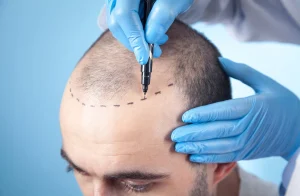
The procedure itself—usually Follicular Unit Extraction (FUE)—is fascinating. It involves taking individual follicles from the back of the head (where hair is genetically programmed to stay put) and moving them to the front. It is meticulous, artistic work. But here is the part that catches people off guard: a few weeks after the surgery, the new hair falls out.
It’s called the “shedding phase,” or sometimes the “ugly duckling” phase. It is completely normal, but it can be terrifying if you aren’t expecting it. You spend money and time to get hair, and then it vanishes. But this is just the hair shaft shedding; the root remains safely under the skin, resting. Around month three or four, the real magic starts. Fine, baby hairs begin to poke through. By month six, you are seeing real coverage. By month twelve? You are a new person.
This emotional rollercoaster is why the clinic you choose matters so much. You don’t just need a surgeon; you need a support team who will answer your panicked texts at three months when you think it isn’t working. This is where Signature Clinic excels. They are renowned for their aftercare and their transparency. They don’t sell you a dream of “instant results.” They walk you through the biology of the process, ensuring you know exactly what is happening at every stage.
The technology they use ensures that the days of “doll hair” or “pluggy” look are gone. A good transplant today is undetectable. The hairline is created with single hairs to look soft and natural, with density building up behind it.
The payoff for this patience is life-changing. I don’t use that phrase lightly. To be able to go swimming, to drive with the windows down, or to simply style your hair without spending twenty minutes hiding your scalp—it is a form of freedom.
If you are tired of the hat, and tired of the worry, looking into a transplant is the next logical step. Just go into it with your eyes open. It takes a year to see the final result, but considering you will have that hair for the rest of your life, it is a year well spent.