



Bowel Cancer: A Growing Concern, Especially Among Younger Adults
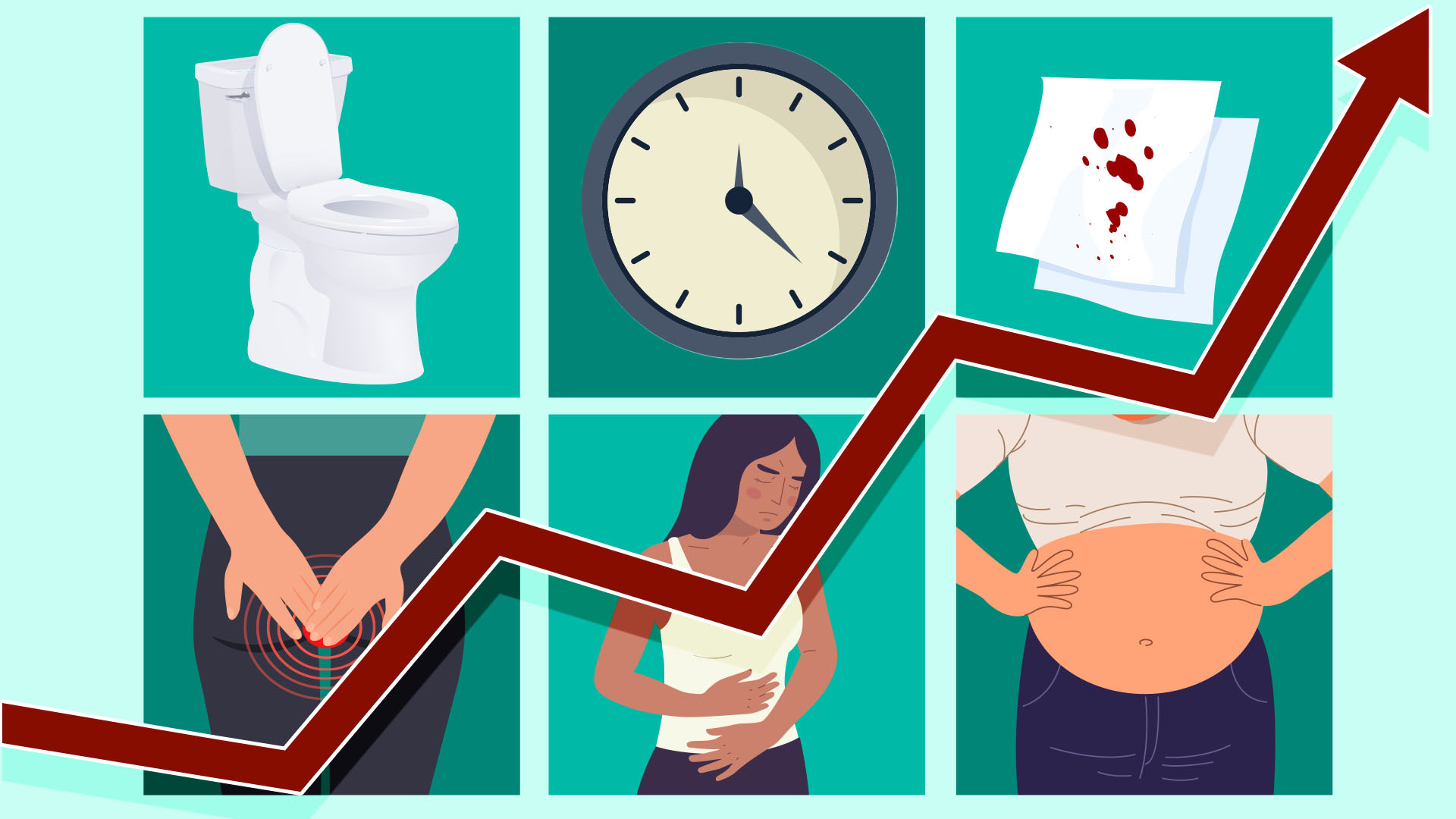
Bowel cancer, the third most common cancer in the UK, is characterized by the uncontrolled growth of cells in the bowel, encompassing the colon, rectum, and anus. While traditionally associated with older individuals, there’s a concerning rise in cases among those under 50. This trend, observed globally but particularly pronounced in England, is attributed to lifestyle factors like unhealthy diets rich in ultra-processed foods, obesity, and a lack of physical activity. These factors contribute to chronic inflammation in the bowel, increasing the risk of tumor development. The unsettling statistics reveal a 3.6% annual increase in diagnoses among under-50s in England between 2007 and 2017, and projections suggest a further increase of 5,000 cases annually by 2040. Despite the rising incidence, early detection dramatically improves survival rates, with nine in ten patients surviving if diagnosed at the earliest stage.
Recognizing the Subtle Signs of Bowel Cancer
The symptoms of bowel cancer can be subtle and easily dismissed, often mimicking common digestive issues. This makes it crucial to be vigilant and not hesitate to consult a doctor if you notice any persistent changes in your bowel habits. One such change is the consistency of stools, including the appearance of "pencil-thin" stools. While a rare symptom, it’s a significant red flag that warrants immediate medical attention. Other changes to look out for include alterations in bowel frequency, blood in the stool (either red or black), bleeding from the bottom, and a persistent feeling of needing to empty the bowels even after doing so. These symptoms, coupled with abdominal pain, bloating, unexplained weight loss, and persistent fatigue, should prompt a consultation with a healthcare professional.
Understanding Bowel Movements and Their Significance
Healthy bowel movements are typically sausage-shaped, soft, and easy to pass, indicating proper digestion and adequate fiber intake. Variations from this norm, such as hard, marble-like stools (constipation), or loose, watery stools (diarrhea), can signal underlying issues. Constipation suggests a lack of fiber in the diet and can be addressed by increasing fiber intake and fluid consumption. Persistent diarrhea, especially if resembling a soft-serve texture, may indicate a mild infection or, in chronic cases, conditions like Crohn’s disease, an inflammatory bowel disease characterized by inflammation throughout the digestive tract. It’s important to stay hydrated and consume easily digestible foods during bouts of diarrhea. While stool appearance can offer clues about digestive health, it’s essential to remember that it’s not a definitive diagnostic tool. Any concerns about changes in bowel habits should be discussed with a doctor.
The Importance of Early Detection and Screening
Early detection of bowel cancer is critical for successful treatment and improved survival rates. Screening programs play a vital role in identifying the disease at its earliest stages, even before symptoms appear. Individuals experiencing symptoms or concerned about their bowel health should consult a GP without delay. Diagnostic tests may include a physical examination, blood tests, stool tests, and imaging procedures like colonoscopy or CT scans. These tests help determine the presence and extent of the disease, guiding treatment decisions. Early diagnosis allows for timely intervention, increasing the chances of a full recovery.
Raising Awareness and Breaking the Stigma
The subtle nature of bowel cancer symptoms and the associated embarrassment can deter individuals from seeking medical help. Raising awareness about the disease, including its symptoms and risk factors, is crucial to encourage early detection. Celebrities like James Van Der Beek, sharing their diagnoses, help break the stigma surrounding bowel cancer and encourage open conversations about the disease. The late Dame Deborah James, a tireless advocate for bowel cancer awareness, emphasized the importance of "checking your poo" and seeking medical advice for any unusual changes. These efforts to normalize discussions about bowel health are vital for promoting early diagnosis and saving lives.
The Impact of Lifestyle on Bowel Cancer Risk
While the exact causes of the increasing rates of early-onset bowel cancer are not fully understood, lifestyle factors play a significant role. Diets high in ultra-processed foods, lacking in fiber, and coupled with a sedentary lifestyle contribute to an increased risk. These factors can lead to chronic inflammation in the gut, creating an environment conducive to tumor development. Adopting a healthy lifestyle that includes a balanced diet rich in fruits, vegetables, and whole grains, regular exercise, and maintaining a healthy weight can significantly reduce the risk of developing bowel cancer. Public health campaigns emphasizing these lifestyle modifications are essential for combating the rising incidence of this disease.