


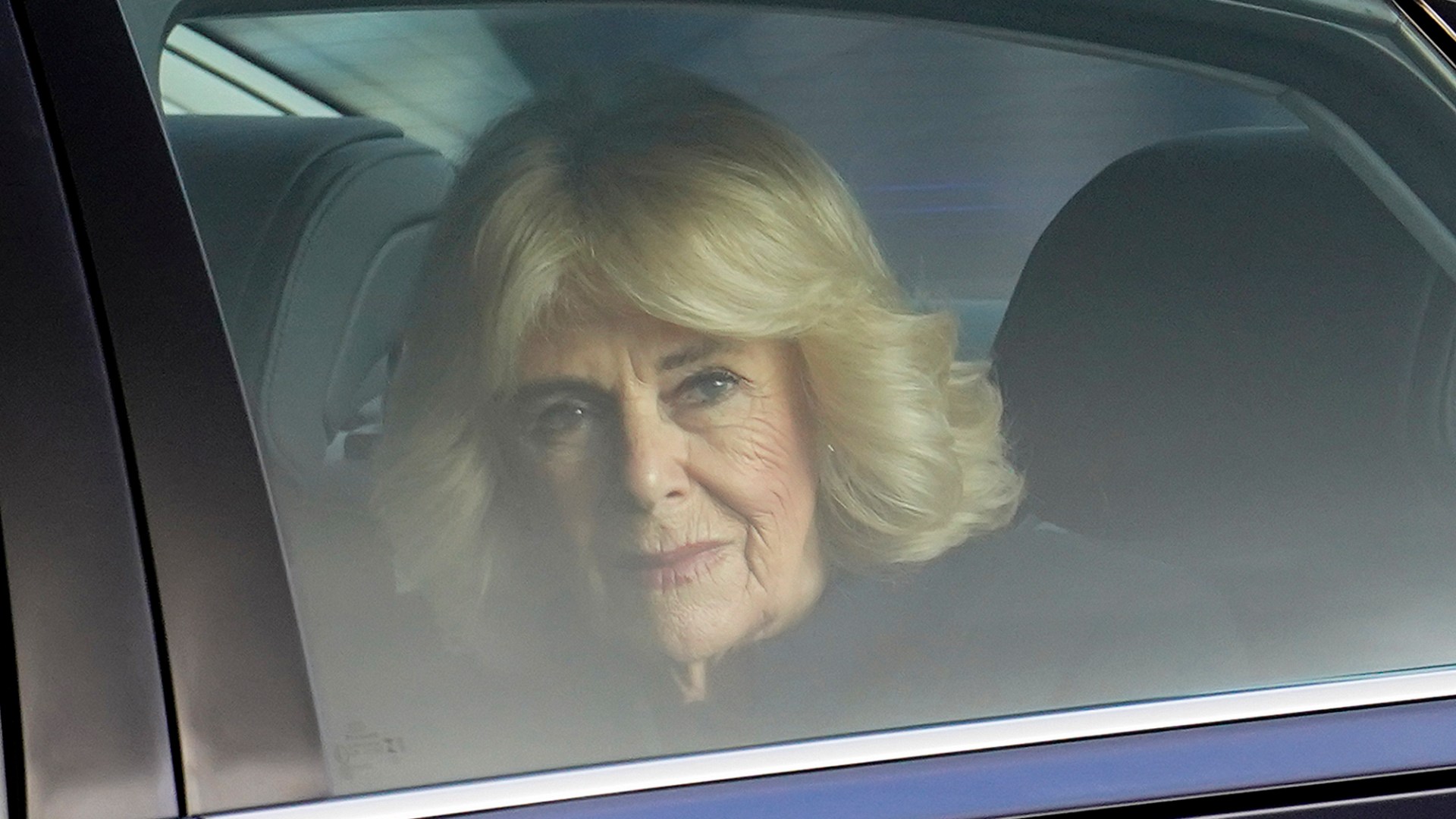
Queen Camilla, aged 77, recently revealed that she had been diagnosed with pneumonia, which had caused her to miss several royal engagements. Pneumonia is a lung infection that affects people of all ages, but most recover fully with the right treatment. Antibiotics are given for bacterial causes, while viral pneumonia usually resolves with rest and fluids. Dr. Andrew Whittamore from Asthma + Lung UK explained that a chest infection can develop into more serious illnesses like pneumonia or bronchitis. Symptoms of pneumonia include a cough, difficulty breathing, chest pain, loss of appetite, and other flu-like symptoms. It is important to seek medical advice promptly if symptoms worsen.
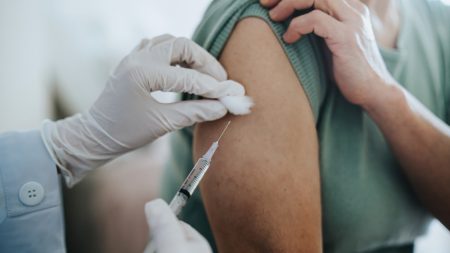
Symptoms of pneumonia are similar to other respiratory illnesses but may be more severe. The key difference is the development of significant shortness of breath and chest pain. Prompt medical attention is crucial when symptoms worsen or there is difficulty breathing. Pneumonia can be particularly serious for young children, those over 65, and individuals with pre-existing lung conditions like asthma or COPD. Pneumonia can be life-threatening, especially among vulnerable populations. Vaccine eligibility includes adults over 65, those with long-term health conditions, and occupational risks. The pneumococcal vaccine helps protect against meningitis and sepsis as well.
Asthma + Lung UK reported that over 25,000 people die from pneumonia in the UK each year, making it the leading cause of death from lower respiratory tract infections in the country. Pneumonia occurs when an infection causes inflammation in the air sacs of the lungs, leading to fluid or pus accumulation. The risks of pneumonia increase during the winter months, and symptoms can develop rapidly, necessitating emergency medical attention. Symptoms of pneumonia can include cough, shortness of breath, chest pain, weakness, fatigue, and loss of appetite. It is essential to be aware of the symptoms and seek medical help if needed.
The NHS recommends calling 999 in emergency situations where there is difficulty breathing, confusion, or other serious symptoms. Pneumonia can be life-threatening, especially for vulnerable populations like the elderly or those with existing health conditions. Prevention through vaccination is crucial, and it is recommended for those at risk, including adults over 65, individuals with chronic lung conditions, and occupational risks. Pneumonia can affect anyone at any age and can lead to life-threatening complications if not treated promptly. Maintaining up-to-date vaccinations, including the pneumonia vaccine, flu vaccine, and Covid jab, is essential for prevention.
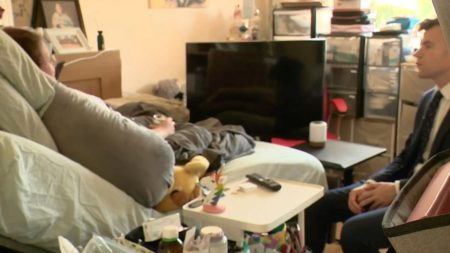
One individual shared her harrowing experience with pneumonia, highlighting the potentially life-threatening nature of the infection. Jardine Howlett, a 39-year-old public relations manager, experienced lung failure due to pneumonia in 2017, leading to a prolonged hospital stay and lingering side effects like breathlessness and fatigue. She emphasized the importance of vaccines in preventing pneumonia and other respiratory illnesses, noting that prevention is better than a cure. Pneumonia can affect individuals of any age and can have lasting impacts on lung health, urging everyone, especially vulnerable populations, to prioritize vaccination for respiratory protection.