


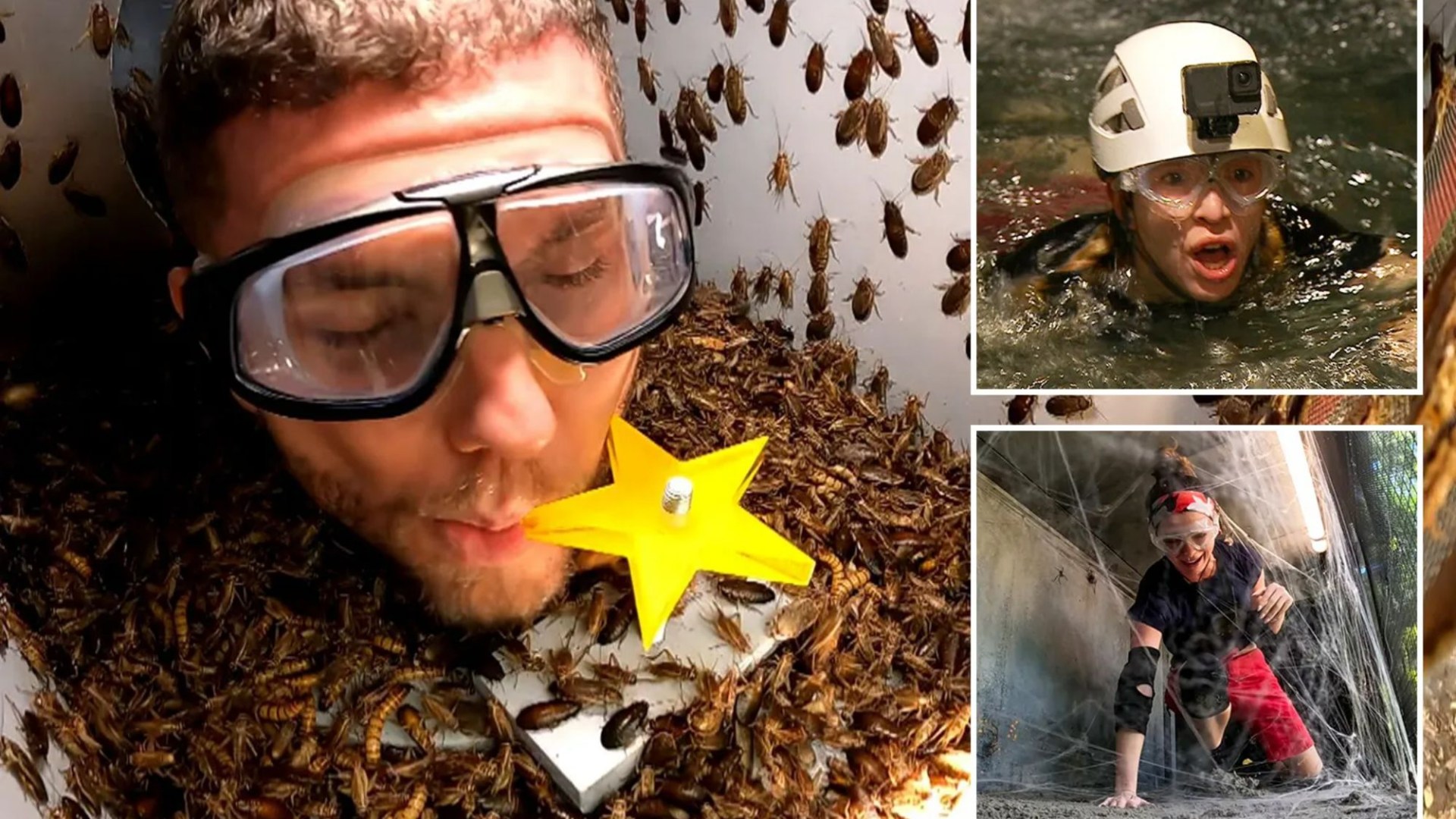
The annual spectacle of “I’m A Celebrity…Get Me Out of Here!” returned, bringing with it the familiar mix of celebrity contestants facing their deepest fears in a series of gruesome trials. This year’s lineup witnessed Radio 1 DJ Dean McCullough succumbing to his fear of enclosed spaces during a sand-filled challenge, while TikTok star GK Barry’s high-pitched screams echoed through the jungle as he encountered creepy crawlies. Former boxer Barry McGuigan endured a rotating table covered in insects, and Love Island’s Maura Higgins confronted her arachnophobia in a spider-filled trial.
These on-screen anxieties highlight a common human experience – the presence of fears and phobias. While everyone experiences fear to some degree, for some, these fears escalate into phobias, significantly impacting their daily lives. According to NHS figures, an estimated ten million people in the UK grapple with phobias, experiencing irrational and excessive fears that trigger avoidant behavior and disrupt normal routines. Unlike a general fear, which allows for a degree of manageable apprehension, a phobia elicits an uncontrollable response that overrides rational thought.
Renowned therapists Nik and Eva Speakman, known for their appearances on ITV’s “This Morning,” have dedicated over three decades to helping individuals conquer their phobias. They differentiate between fear and phobia, explaining that fear can be a helpful response to genuine danger, while a phobia is an anxiety disorder characterized by an irrational, overwhelming reaction. The Speakmans emphasize that phobias are learned behaviors, often originating in childhood through observation, personal experiences, or exaggerated storytelling.
To address these deep-seated anxieties, the Speakmans have developed a series of coping strategies. Their approach involves identifying the root cause of the fear, determining whether it’s a learned behavior or a misunderstanding, and challenging the associated negative beliefs. They encourage individuals to question the origin of their fears, considering whether they were adopted from others or stem from personal experiences. This process of self-reflection helps to dismantle the perceived validity of the fear.
A key element of the Speakmans’ method is the “fears versus facts” exercise. This involves creating a list that juxtaposes the individual’s fearful thoughts with factual counterarguments. By directly challenging the negative dialogue, individuals begin to reframe their perception of the feared object or situation. This is complemented by the use of positive affirmations, which, even if initially disbelieved, help to establish new neural pathways associated with calmness and control.
The Speakmans also advocate for practical techniques such as the “sighing method” and controlled box breathing. The sighing method involves visualizing the feared object or situation while exhaling deeply, creating an association between the fear and a sense of calm. This is reinforced through box breathing, a technique that regulates breathing and promotes relaxation. Another strategy involves activating positive memories while applying pressure to the thumbnail, creating a physical anchor for feelings of strength and accomplishment.
Finally, the Speakmans recommend gradual exposure to the feared stimulus. This desensitization process starts with symbolic representations, such as cartoons or drawings, and progressively moves towards real-life encounters. Each step is accompanied by the sighing or box breathing techniques, ensuring the individual maintains a sense of control and calmness.
Phobias manifest not only as overwhelming anxiety but also through physical symptoms like sweating, trembling, shortness of breath, and rapid heartbeat. In severe cases, psychological symptoms such as fear of losing control, fainting, or even dying can occur. The NHS acknowledges the debilitating nature of phobias and recommends seeking professional help. Treatment options include gradual exposure therapy, counseling, psychotherapy, cognitive behavioral therapy (CBT), and in some cases, medication to manage anxiety. The Speakmans’ methods provide practical tools for individuals seeking to confront and overcome their fears, offering a pathway towards reclaiming control and living a more fulfilling life.