


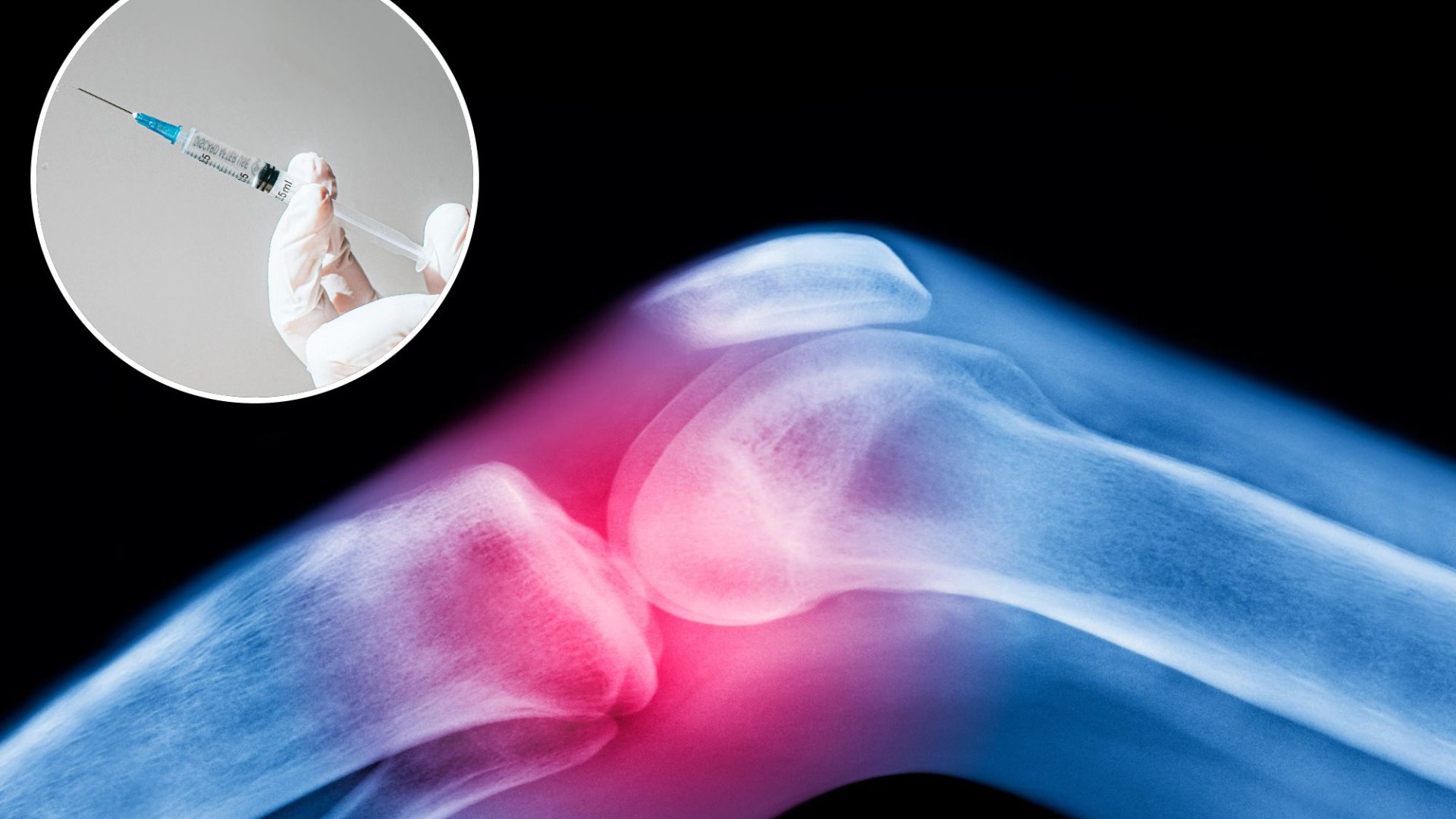
A new study has found that a minimally invasive injection could help ease the pain of arthritis in the knee, potentially preventing the need for knee replacement surgery. This treatment, called genicular artery embolisation (GAE), targets the abnormal blood vessels associated with knee osteoarthritis. The injection disrupts the inflammatory cycle that characterises osteoarthritis, providing significant pain relief for patients. The study, conducted by a German research team, included 403 patients with knee osteoarthritis who underwent GAE and found that the procedure was safe and effective for all stages of the condition.
Knee osteoarthritis is a common chronic joint disorder that affects millions of adults worldwide. Current therapies for the condition, such as pain medication and steroid injections, only mask the symptoms and do not slow its progression. As the disease worsens, many patients turn to joint replacement surgery for relief. GAE offers a minimally invasive alternative that can reduce knee pain and improve quality of life for patients with osteoarthritis. The study showed that the injection is particularly effective in the early stages of the disease, suggesting that early intervention could delay disease progression and reduce the need for invasive treatments.
The study evaluated the safety and efficacy of GAE for knee osteoarthritis in patients who did not respond to conservative treatments. All procedures were successful, with patients reporting temporary skin discolouration and mild knee pain as the most common side effects. However, no severe complications were reported, and the injection significantly improved pain scores and quality of life for patients. This new treatment could potentially offer a new lease on life for individuals suffering from debilitating knee pain and mobility issues caused by osteoarthritis, especially for those who have not had success with other treatments.
Patients with knee osteoarthritis often rely on painkillers to manage their symptoms, but other non-invasive treatments like exercise and weight loss can help improve their condition. A consultant rheumatologist recommends natural supplements and alternative therapies to reduce the reliance on pain medication. As the weather changes, exacerbating arthritis symptoms, some patients explore different options to manage their pain, such as osteopathy, yoga, and mindful movement techniques. Finding the right combination of treatments can help improve pain and mobility for individuals with arthritis and other joint disorders.
Overall, GAE shows promise as a safe and effective treatment for knee osteoarthritis, even in advanced cases. The injection can significantly reduce knee pain and improve quality of life for patients, with benefits lasting long-term. By targeting the abnormal blood vessels associated with osteoarthritis, GAE disrupts the inflammatory cycle and provides relief for individuals with the condition. The study findings may influence medical practice and policy, encouraging broader adoption of GAE worldwide as a less invasive alternative to knee replacement surgery. Future research will focus on the long-term effects of GAE and its potential to delay disease progression and improve outcomes for patients with knee osteoarthritis.