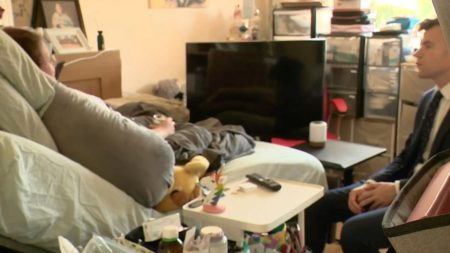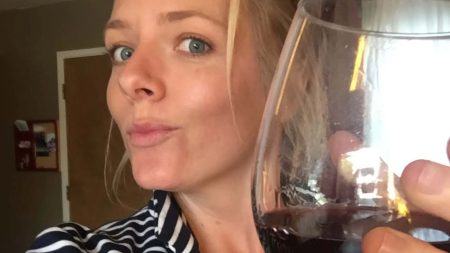

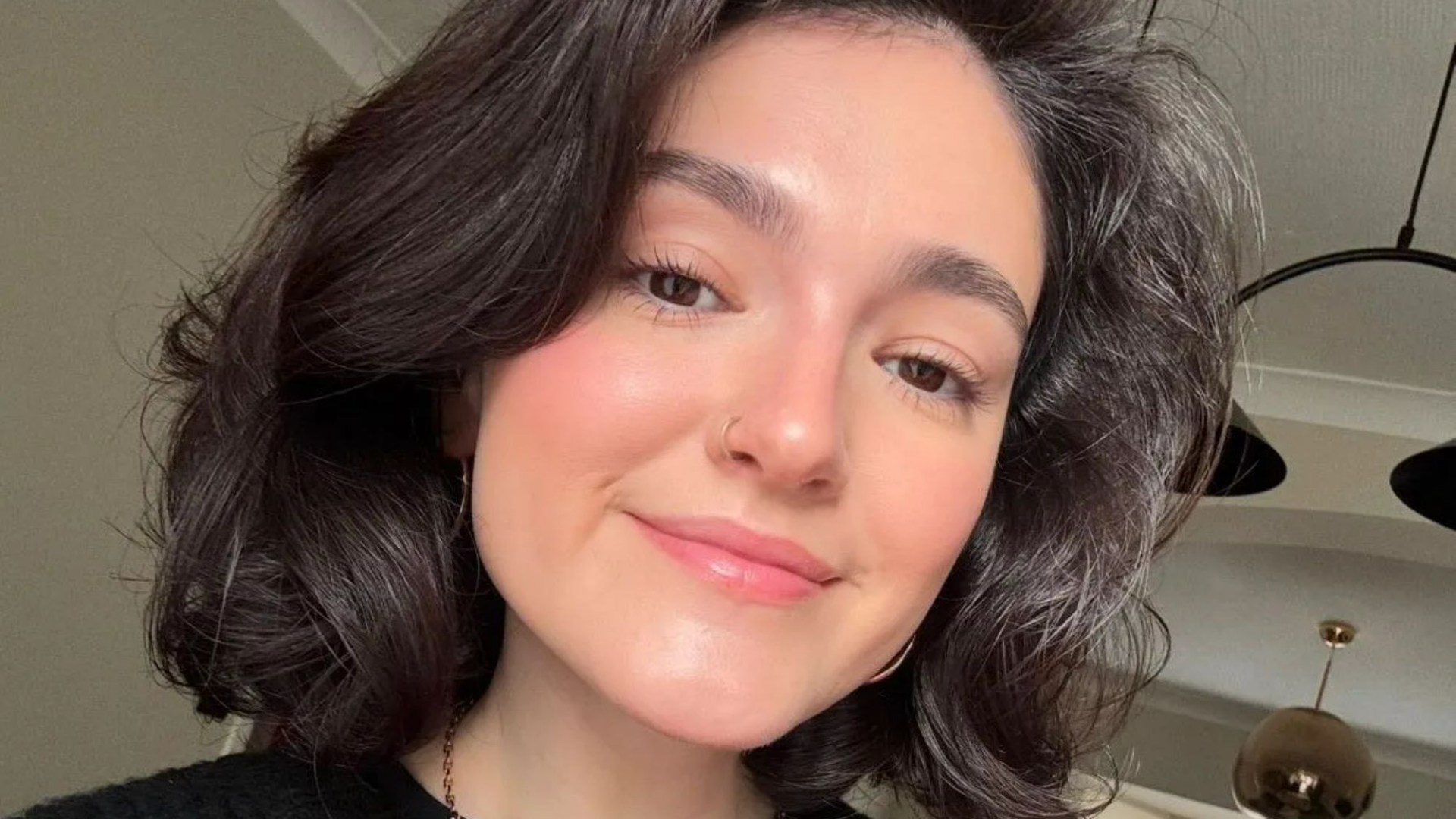
Katie Shalka, a 28-year-old actress residing in East London, has endured nearly a decade of relentless flank pain, a condition later diagnosed as the rare Nutcracker Syndrome (NCS). Her ordeal began with manageable discomfort during childhood but escalated significantly in 2018, transforming into a debilitating agony. Despite numerous consultations with general practitioners and specialists, Katie’s pleas for help were repeatedly dismissed, often attributed to menstrual cycles or simply being a woman. Her persistent pain was consistently deemed “normal” after a battery of tests, leaving her feeling unheard and invalidated. The lack of proper diagnosis and treatment prolonged her suffering, forcing her to endure excruciating pain daily, ultimately leading to a collapse while working.
The turning point came when Katie’s family intervened, demanding further investigation. An internal scan, though agonizing, finally revealed an abnormality: a “torturous” left ovarian vein, indicating a potential vascular problem. This discovery led to a referral to a specialist who promptly diagnosed Katie with NCS, a condition where the left renal vein, responsible for carrying blood from the kidney to the heart, becomes compressed, typically between the abdominal aorta and superior mesenteric artery. The compression restricts blood flow, leading to a range of debilitating symptoms, including persistent pain. The diagnosis finally gave a name to Katie’s suffering and paved the way for potential treatment.
In 2020, Katie became one of the few individuals in the UK to undergo a left renal vein transposition, a complex surgical procedure aimed at alleviating the compression. However, the relief was short-lived. Months after the surgery, Katie’s pain persisted, and subsequent scans revealed a recurring blockage in the vein, necessitating further interventions. Despite several subsequent procedures, the focus remained on managing the pain rather than addressing the root cause of the problem. Katie’s hopes of a pain-free life dwindled as she endured multiple procedures, only to experience recurring pain and swelling, even impacting her ability to enjoy a vacation.
A glimmer of hope emerged recently when Katie’s partner, Romy Ben-Hur, facilitated a consultation with a new specialist. This specialist identified a potential surgical solution that could have prevented years of suffering if implemented earlier. However, this procedure comes at a steep price of £50,000, to be conducted privately due to Katie’s extensive medical history, which disqualifies her from insurance coverage. Faced with this financial hurdle, Romy launched a GoFundMe campaign with a target of £22,000 to help Katie access the potentially life-changing surgery. The campaign aims not only to fund the surgery but also to raise awareness about NCS, a condition often misdiagnosed or overlooked.
Katie’s story underscores the challenges faced by individuals living with rare and often misunderstood medical conditions. Her experience highlights the importance of persistent advocacy, both for patients themselves and their families, in navigating the complexities of the healthcare system. The dismissal of her pain, initially attributed to gender-specific ailments, further emphasizes the need for increased awareness and understanding of women’s health issues. The GoFundMe campaign offers a crucial lifeline for Katie, providing hope for a future free from the constant agony that has defined much of her life.
The financial burden of private surgery for rare conditions like NCS often forces patients and their families to seek alternative funding methods, highlighting the need for increased access to affordable specialized medical care. Katie’s case also raises questions about the effectiveness of previous procedures, suggesting the need for continuous research and development of innovative treatment options for NCS. Her journey emphasizes the importance of early and accurate diagnosis, which could have significantly reduced her suffering and potentially avoided the need for multiple invasive procedures. The fundraising campaign represents a collective effort to support Katie and provide her with a chance to reclaim a life free from the debilitating pain that has overshadowed her for so long.