


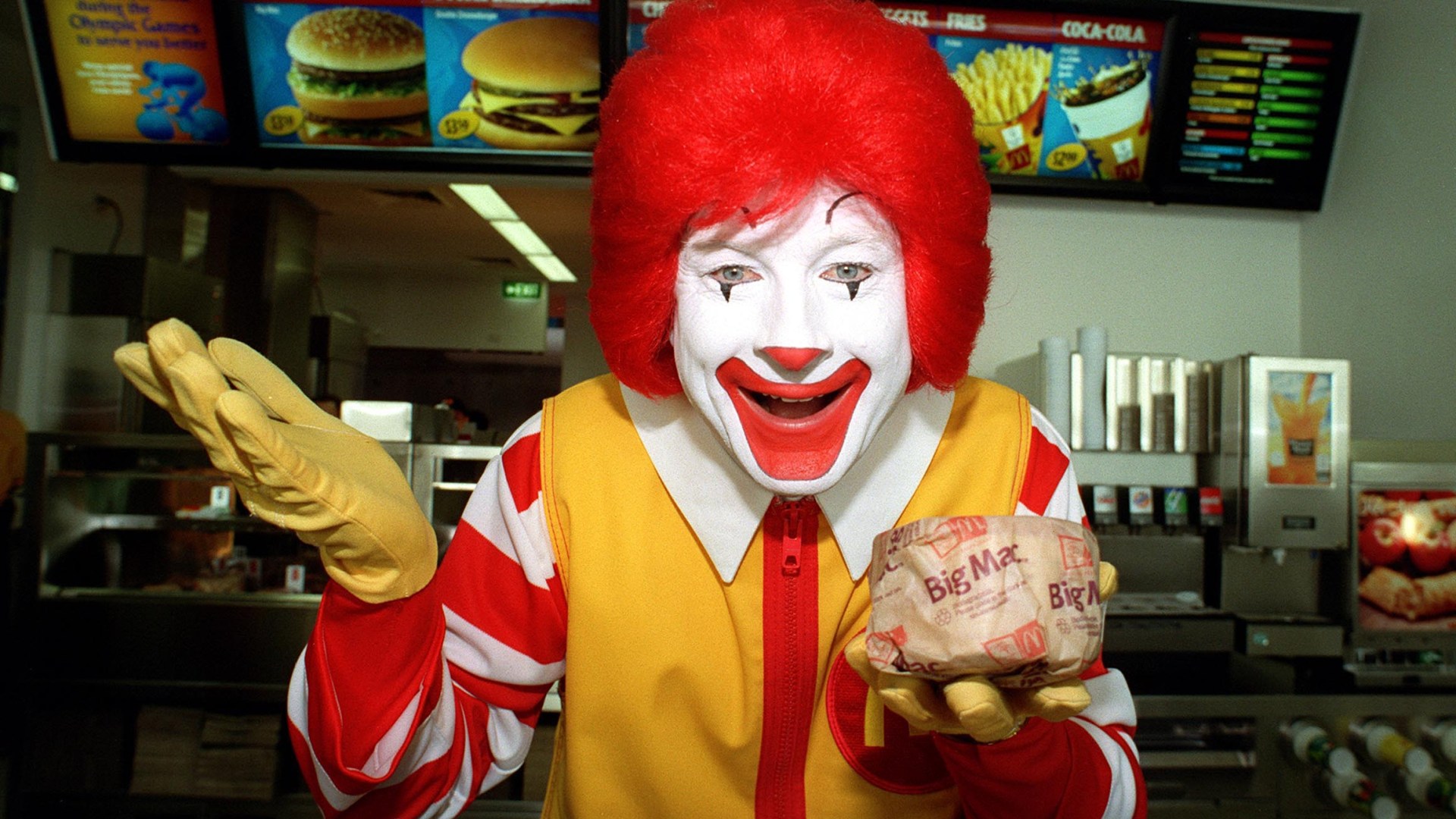
The UK government is poised to implement a comprehensive ban on junk food advertising aimed at children, a measure designed to combat the escalating childhood obesity crisis. Commencing on October 1, 2025, the new legislation will significantly restrict the promotion of foods high in fat, salt, and sugar (HFSS). Television advertising for these products will be relegated to post-watershed slots after 9 pm, effectively shielding younger audiences. Moreover, all paid-for online advertising of HFSS foods by major chains, such as McDonald’s, will be prohibited entirely. This dual approach aims to create a healthier media environment for children, reducing their exposure to persuasive marketing tactics that promote unhealthy eating habits.
Health officials project that this advertising ban will have a substantial impact on children’s caloric intake, eliminating an estimated 7.2 billion calories from their diets annually. This reduction is expected to translate into significant health benefits, potentially preventing 20,000 cases of childhood obesity and mitigating the risk of diet-related illnesses like diabetes and heart disease. The initiative is positioned as a proactive step towards shifting the focus of healthcare from treatment to prevention, aligning with the government’s commitment to ensuring a healthy start for every child. By curbing the pervasive influence of junk food marketing, the government hopes to empower children to make healthier food choices and establish lifelong positive dietary habits.
Health Secretary Wes Streeting emphasized the detrimental impact of obesity on children’s lives, highlighting the long-term health problems and the substantial cost burden on the National Health Service (NHS). He presented the advertising ban as a decisive action to protect children from the targeted marketing of unhealthy foods and as a crucial first step towards a preventative healthcare approach. This initiative represents a significant policy intervention in the fight against childhood obesity, addressing a critical public health concern and aiming to create a healthier future for the nation’s children.
While the legislation includes exemptions for essential products like baby formula, medicinal drinks, and approved meal replacements, it has faced criticism from some quarters. The Institute of Economic Affairs (IEA), for example, has expressed concerns about the potential negative impact on broadcasters, online platforms, and their users. Critics like Chris Snowdon of the IEA argue that previous anti-obesity measures, such as the sugar tax and mandatory calorie labelling, have proven ineffective, casting doubt on the efficacy of this new advertising ban. This skepticism reflects a broader debate about the role of government intervention in public health and the effectiveness of various strategies to address complex issues like childhood obesity.
The government’s move to restrict junk food advertising reflects a growing global trend to regulate the marketing of unhealthy products to children. Recognizing the vulnerability of young audiences to persuasive advertising techniques, numerous countries have implemented similar restrictions on television and online advertising. These measures often focus on limiting exposure to HFSS foods, recognizing the significant influence of marketing on children’s dietary preferences and the consequent impact on their health. The UK’s comprehensive approach, encompassing both traditional and digital media, underscores the government’s commitment to tackling this pressing public health challenge.
This initiative aligns with broader public health strategies that emphasize the importance of creating supportive environments for healthy choices. Alongside regulatory measures like advertising restrictions, these strategies often include promoting healthy food options in schools, encouraging physical activity, and providing educational resources to families. By addressing multiple factors that contribute to childhood obesity, governments aim to create a comprehensive and sustainable approach to improving children’s health and well-being. The success of these efforts will depend on ongoing evaluation and adaptation, taking into account the evolving media landscape and the complex interplay of factors influencing children’s dietary habits.