


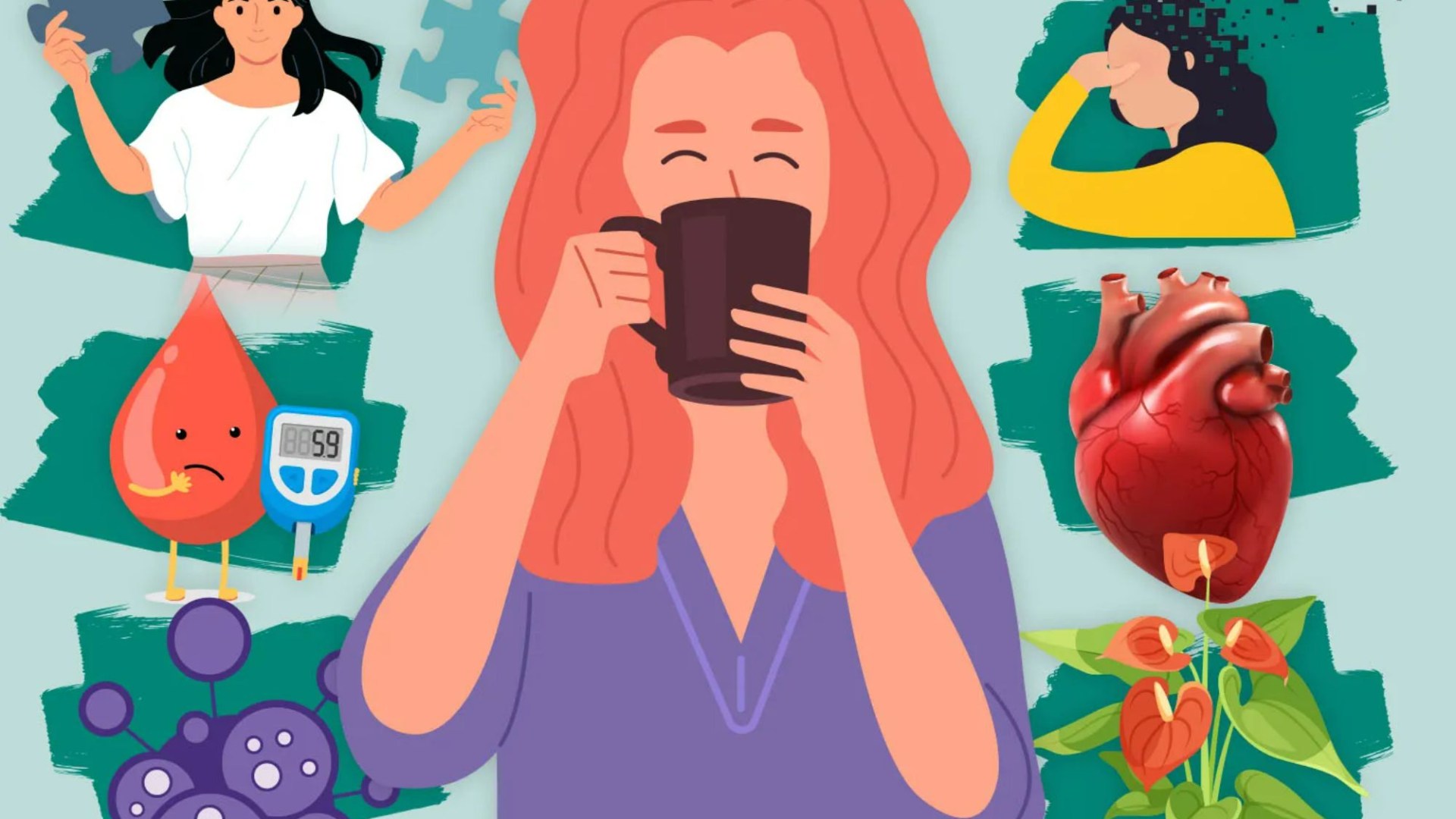
Starting the day with a steaming cup of coffee is a ritual for many people, providing an energy boost in the mornings or a pick-me-up in the afternoon. A new study from Soochow University in China found that moderate coffee consumption, around two to three cups a day, can lower the risk of heart disease, stroke, and type 2 diabetes. These cardiometabolic diseases, which are common in the UK, can be prevented by healthy living habits. Coffee contains essential nutrients such as B vitamins, potassium, manganese, and magnesium, as well as antioxidants that protect cells from damage.
Coffee has been linked to a variety of health benefits, beyond just providing a caffeine buzz. Studies have shown that moderate coffee consumption can reduce the risk of heart disease and stroke, lower the chances of developing type 2 diabetes, and protect the liver by improving enzyme levels. Additionally, there is evidence to suggest that coffee can reduce the risk of several types of cancer, Parkinson’s disease, Alzheimer’s disease, and depression. A study of over 400,000 people found that those who drank coffee regularly over several years had a lower risk of death, particularly among those who consumed four to five cups per day.
While coffee has numerous health benefits, it is essential to consume it in moderation. Limiting intake to around three to five cups per day is considered moderate, as excessive caffeine consumption can lead to side effects like jitteriness, anxiety, and sleep disturbances. It is also advised to avoid adding sugar and cream to your coffee, as this can increase calorie content and negate some of the beverage’s benefits. In some cases, people who are sensitive to caffeine may need to limit or avoid coffee altogether. Additionally, research has shown that caffeine may help counteract some of the effects of alcohol on the brain’s reward system, potentially serving as a preventative tool for alcohol addiction.
In recent studies, caffeine has been found to block dopamine responses triggered by alcohol, which can prevent the production of brain chemicals associated with alcohol’s rewarding effects. This discovery highlights caffeine’s potential role in addressing alcohol addiction by inhibiting the brain’s response to alcohol. By studying male rats and observing the effects of caffeine on dopamine release in the brain when alcohol was present, researchers were able to determine that caffeine effectively blocked dopamine surges triggered by alcohol and prevented the formation of a chemical called salsolinol, which is linked to alcohol’s rewarding effects. This research suggests that caffeine may have a protective effect against alcohol addiction and could be used as a preventive measure in treating addiction.