


The LGBTQ+ community in Russia has long faced discrimination and silence due to the country’s ‘gay propaganda’ law. Three activists, Aleksey Yevstifeyev, Ruslan Miniakhmetov, and Daniil Grachev, won a claim in the European Court of Human Rights after being subjected to homophobic insults at a protest in 2015. The insults included being called ‘perverts’, ‘scumbags’, ‘Aids-ridden’, and ‘paedophiles’ by a well-known politician. Despite trying to take their case to Russian courts, they were dismissed, with the politician’s actions being considered merely expressing his opinion.
The European Court of Human Rights ruled unanimously in favor of the LGBTQ+ campaigners, finding that Russia violated Articles eight and 14 of the European Convention on Human Rights, relating to the right to a private life and freedom from discrimination. The court ordered Moscow to pay €7,500 to Aleksey, Ruslan, and Daniil. Despite having anti-discrimination laws in place, doubts were raised about the effective enforcement of these laws in Russia. The court found that officials had failed the LGBTQ+ victims by not taking their claims seriously.
Coming Out, a Russian queer campaign group that supported the claimants, stated that the ECHR ruling was a reminder of the anti-LGBTQ+ hatred encouraged and overlooked by the Kremlin. While the decision may not immediately improve the situation, it sets an important precedent for Russia in terms of non-discrimination, the right to privacy, and freedom of speech. The ruling could lead to faster implementation of decisions against Russia in similar cases involving LGBTQ+ discrimination.
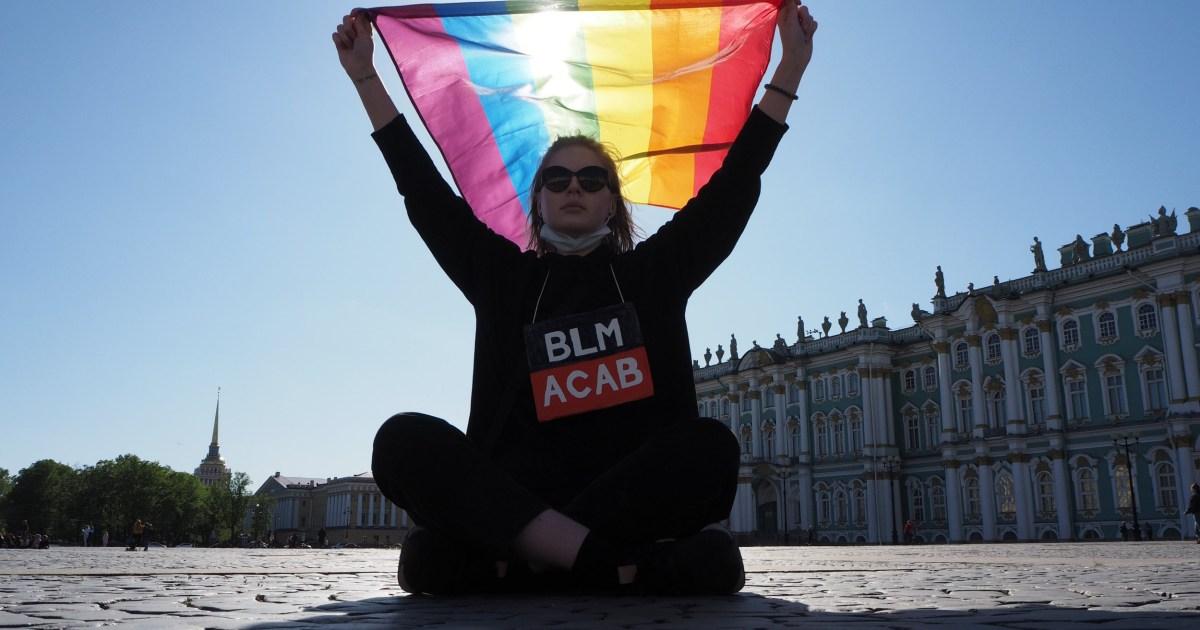
Another LGBTQ+ activist, Andrey Petrov, filed his own case with the ECHR after a comedian made a video mocking a ‘gay hunt’ following Putin’s proposed constitutional ban on marriage equality. The court found Andrey’s application inadmissible, stating that the video did not reach the level of seriousness required to affect the private life of LGBTQ+ individuals. Homosexuality is legal in Russia, but ‘gay propaganda’ is banned, and carrying a queer Pride flag is considered extremism. Nearly 90% of queer Russians have noticed an increase in homophobic and transphobic attitudes, with a significant number experiencing violence.
Despite the challenges faced by the LGBTQ+ community in Russia, the ECHR rulings serve as an important step towards recognizing and addressing discrimination and hate speech. The decisions highlight the need for stronger enforcement of anti-discrimination laws and protection of LGBTQ+ individuals’ rights to privacy and freedom from discrimination. By holding authorities accountable for failing to address LGBTQ+ discrimination, these rulings can help pave the way for greater acceptance and equality in the future.