



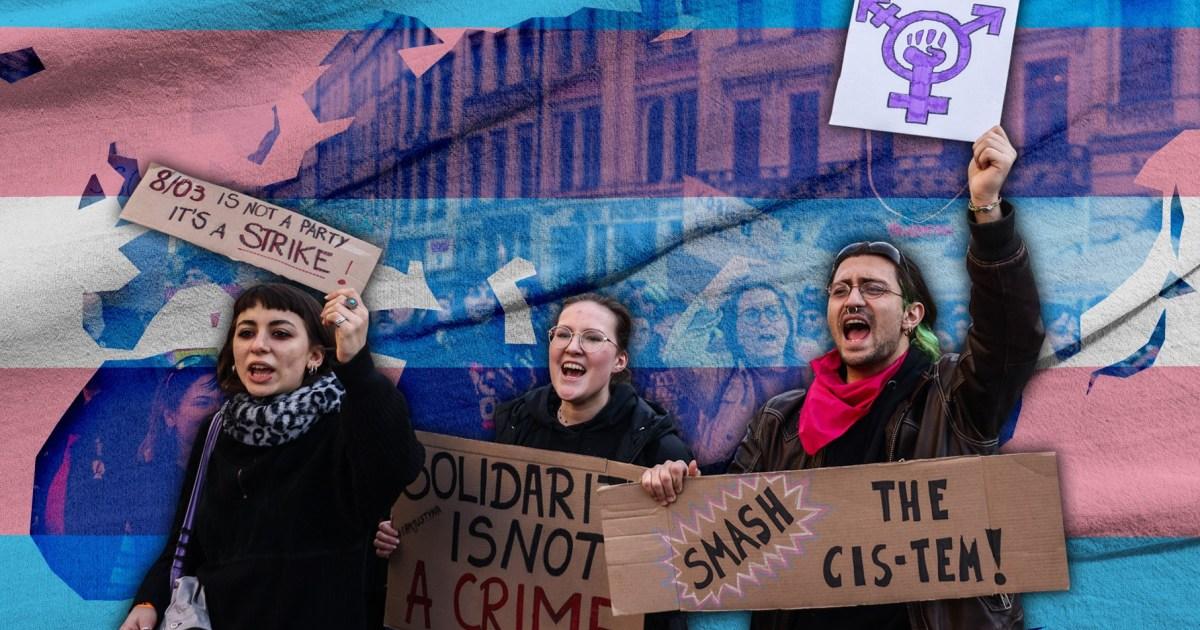
Paragraph 1: Trans Rights Landscape in Europe and Central Asia
The Transgender Europe and Central Asia (TGEU) Trans Rights Map for 2024 reveals a growing polarization in the legal and social landscape for transgender individuals across the region. Iceland emerged as the leading nation, achieving a near-perfect score of 30 out of 32, reflecting significant advancements in legal protections and social acceptance. In stark contrast, Russia plummeted to the bottom of the ranking with a score of zero, a consequence of its increasingly hostile environment for LGBTQ+ people, including the implementation of anti-propaganda laws. This stark divide highlights the diverging trajectories of trans rights within the region, with some countries embracing inclusivity while others regress towards discriminatory practices. The UK, with a score of 15.25, demonstrates moderate progress but still lags behind leading nations.
Paragraph 2: Progress and Setbacks
While some countries like Greece and Czechia made notable strides in protecting trans rights through legislative reforms related to discrimination and asylum, the overall progress in 2024 has been uneven. TGEU notes a concerning trend of setbacks, with more points deducted compared to the previous year. Several countries, including France, are witnessing discussions around restricting gender-affirming care for young people, raising concerns about access to essential medical services. Furthermore, proposed progressive policies, such as an amendment in the Netherlands aimed at simplifying legal gender recognition, faced resistance and were ultimately withdrawn, illustrating the ongoing challenges in achieving legal reforms. Slovakia’s reversal of guidelines allowing legal gender change without surgery underscores the vulnerability of trans rights to political shifts.
Paragraph 3: Polarizing Forces and Their Implications
The increasing polarization of trans rights is not limited to individual countries’ legislative changes but reflects broader societal trends. Linn Julian Koletnik, a research consultant at TGEU, highlights the lack of prioritization of trans rights even among progressive governments, which allows anti-equality and anti-democratic sentiments to gain traction. While Russia’s zero score represents an extreme case, it underscores the potential for complete erosion of trans rights. Conversely, even high scores, like Iceland’s, do not guarantee absolute safety for trans individuals, as evidenced by the documented murders of trans and gender non-conforming people across Europe. This disconnect between legal protections and lived experiences emphasizes the need for further action beyond legislative reform.
Paragraph 4: TGEU’s Methodology and Key Findings
TGEU’s Trans Rights Map, published annually since 2013, employs a comprehensive methodology to assess the legal and social environment for transgender people in 54 countries across Europe and Central Asia. The ranking is based on 32 indicators encompassing various aspects of trans lives, including legal gender recognition, family rights, healthcare access, protection from hate crimes, and asylum provisions. The map revealed that while a majority of countries allow for legal gender change, considered a fundamental right by TGEU, several nations, including Russia, Hungary, Kyrgyzstan, and Bulgaria, have either removed or severely restricted this right. The map further highlights the inadequate protection against hate crimes, the limited availability of conversion therapy bans, and the ongoing pathologization of trans identities in most countries. Only Malta and Iceland have fully depathologized trans identities, recognizing that being transgender is not a medical or behavioral disorder.
Paragraph 5: Iceland’s Success Story and the Importance of Unity
Iceland’s top ranking reflects a long-term commitment to advancing LGBTQ+ rights, fueled by strong collaboration between trans activists and the broader feminist movement. Kristmundur Pétursson, a trans man and vice chair of Iceland’s national queer association, attributes the country’s success to the unity and collaboration between different advocacy groups. The 2019 gender law, largely drafted by trans and intersex activists, exemplifies this collaborative approach. Pétursson emphasizes the crucial role of the feminist movement in paving the way for trans rights advancements, contrasting Iceland’s collaborative environment with other countries where a lack of unity hinders progress. This highlights the importance of cross-movement solidarity in achieving meaningful and sustainable change.
Paragraph 6: Challenges and Future Directions
Despite legal advancements in some areas, the TGEU report underscores the ongoing challenges and complexities facing trans communities in Europe and Central Asia. The decrease in reported trans murders, while welcome, does not necessarily reflect improved safety and well-being for trans individuals. The continued existence of violence and discrimination, coupled with the rollback of rights in some countries, emphasizes the need for sustained advocacy and vigilance. Future efforts must focus on bridging the gap between legal frameworks and lived realities, addressing the root causes of discrimination, and fostering a more inclusive and accepting society for all trans and gender diverse individuals. The polarization revealed by the Trans Rights Map serves as a crucial reminder of the ongoing struggle for equality and the urgent need to protect and expand trans rights across the region.