



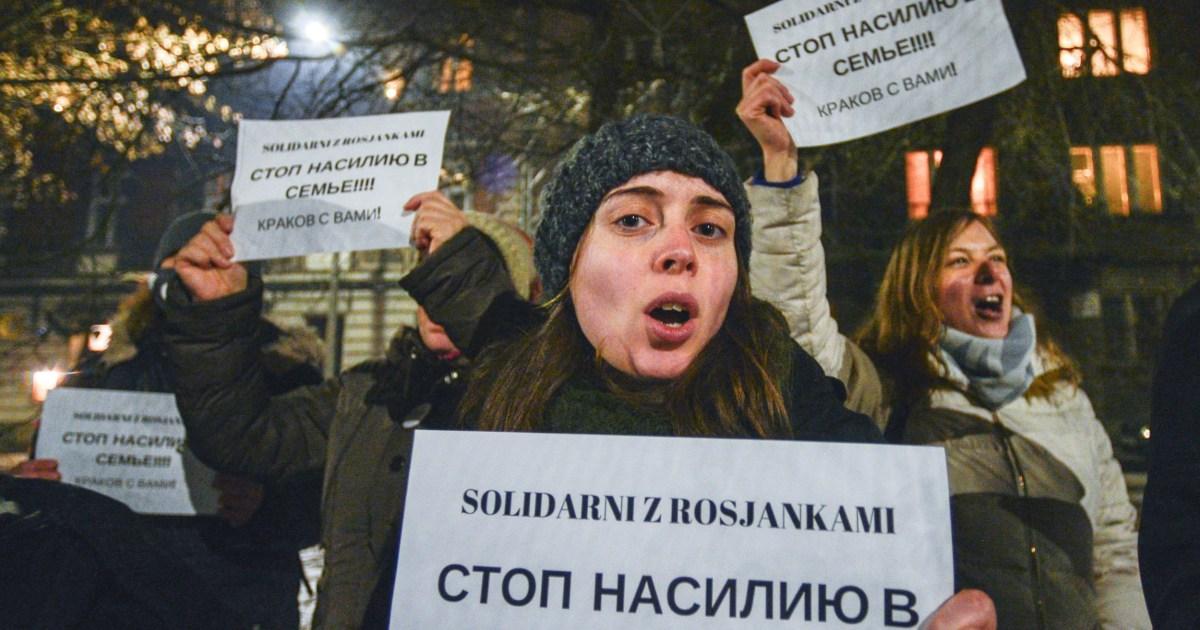
The Russian proverb “Бьёт – значит любит,” meaning “If he beats you, he loves you,” encapsulates a deeply ingrained cultural acceptance of domestic violence, a legacy of the 16th-century Domostroy household rules. This normalization of abuse, exacerbated under Putin’s regime through the instrumentalization of “traditional family values,” contradicts the romanticized image of Russian men often portrayed online. Platforms like TikTok showcase videos depicting Russian men as chivalrous providers, happy to shoulder financial responsibilities and endorse traditional gender roles. These videos attract positive attention from some international viewers, who contrast them with Western dating norms, but they conveniently ignore the stark reality of widespread domestic abuse in Russia.
The actual prevalence of domestic violence in Russia is difficult to quantify due to systemic issues with data collection and reporting. Official statistics from the Ministry of Internal Affairs are delayed and incomplete, excluding crucial categories of victims such as former spouses and partners. Moreover, the 2017 decriminalization of battery has created a false impression of declining violence, masking the true extent of the problem. Organizations like Nasiliu.net highlight the pervasive nature of domestic abuse, pointing to estimates of a violent crime occurring within a Russian family every ten minutes. The absence of a specific law addressing domestic violence, coupled with inadequate responses from police and social services, further exacerbates the situation.
Numerous factors contribute to the underreporting of domestic violence in Russia. Victims often internalize the “beats means loves” mentality, influenced by familial experiences and societal pressures. Financial dependence on the abuser, shared children, and lack of support from family or friends further trap victims in abusive relationships. A pervasive stigma blames women for provoking violence, reinforcing a culture of silence and impunity. Even when victims do report abuse, they face significant obstacles. Lacking a formal reporting procedure, the burden of proof falls entirely on the victim, and police often discourage pursuing charges, sometimes resorting to threats and intimidation.
The lack of legal protection and support for victims is further compounded by the absence of state-run shelters for women fleeing abusive situations. Non-profit organizations attempt to fill this gap, but resources are limited. The absence of restraining orders against stalkers adds another layer of vulnerability, making escape even more challenging. Initiatives like the mandatory involvement of “psychologist-moderators” in divorce proceedings, while seemingly well-intentioned, can actually prolong victims’ exposure to abuse by delaying the separation process. This further emphasizes the systemic failure to prioritize the safety and well-being of victims.
The ongoing war in Ukraine has exacerbated the problem of domestic violence in Russia. Human Rights Watch reports a surge in cases since the conflict began, with returning soldiers, including former Wagner mercenaries and released prisoners, perpetrating some of the most brutal acts of violence. Even Russia’s human rights commissioner has acknowledged the worsening situation. This escalation underscores the complex interplay of societal factors, wartime stress, and the normalization of violence that contribute to the alarming rise in domestic abuse.
The rosy picture painted online of Russian men as traditional gentlemen clashes sharply with the grim reality faced by countless women trapped in abusive relationships. The lack of adequate legal frameworks, combined with deeply entrenched cultural attitudes, makes it exceedingly difficult for victims to escape violence. The war in Ukraine has further amplified these issues, creating an environment where domestic abuse thrives. Addressing this crisis requires a multi-faceted approach, encompassing legal reforms, increased support services, and a fundamental shift in societal attitudes towards violence against women.