


Unveiling the Horrors: Mass Graves in Syria Expose Assad Regime’s Atrocities
The Syrian civil war, a conflict marked by brutal violence and widespread human rights abuses, has yielded a grim discovery: mass graves containing the remains of over 100,000 individuals, victims of enforced disappearances orchestrated by the regime of Bashar al-Assad. This revelation, reminiscent of the horrors of Nazi Germany, paints a chilling picture of systematic state-sponsored terror and mass killings. Former US war crimes ambassador Stephen Rapp, who visited two such sites outside Damascus, describes the scale of the atrocities as unprecedented in recent history, with the estimated 100,000 victims representing a conservative figure. The true extent of the carnage remains unknown, but the sheer number of missing persons, estimated to be at least 157,000, suggests a far greater tragedy.
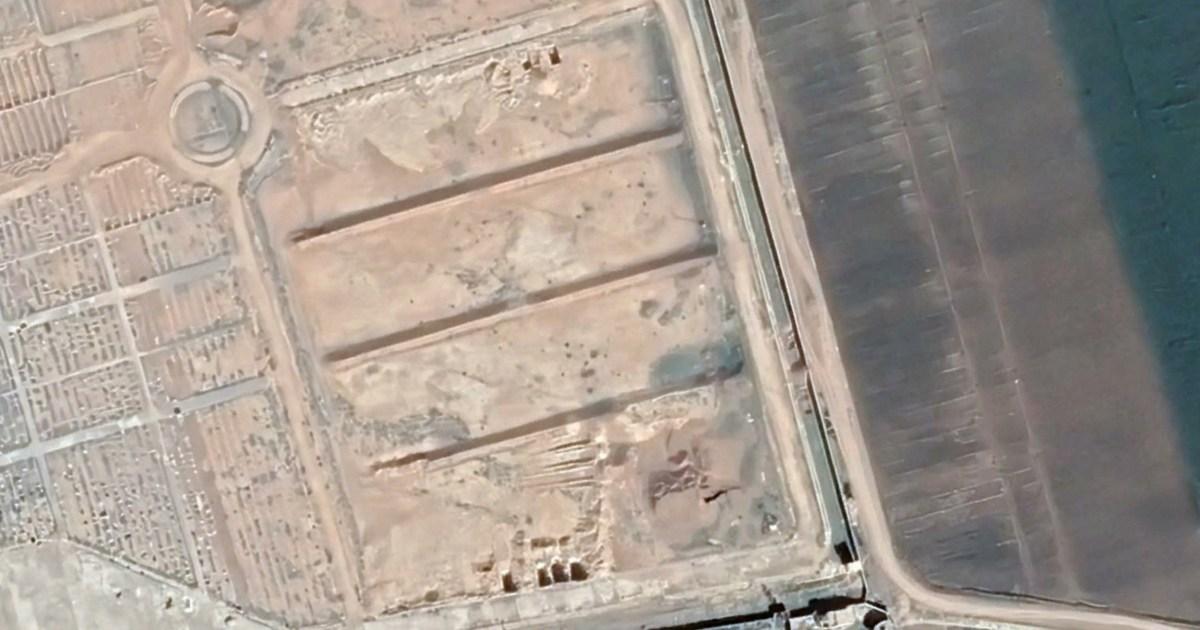
The two mass grave sites near Najha and Qutayfah hold the remains of countless individuals, including potentially British and American citizens. Eyewitness accounts from gravediggers paint a horrifying picture of the disposal process: bodies hastily buried, emitting a stench that required repeated coverings, and even frozen together during cold spells, requiring thawing before burial. Local residents describe the sites as "places of horrors," recalling the daily arrival of refrigeration trucks laden with corpses. This systematic dehumanization and disposal of human life underscores the Assad regime’s calculated brutality.
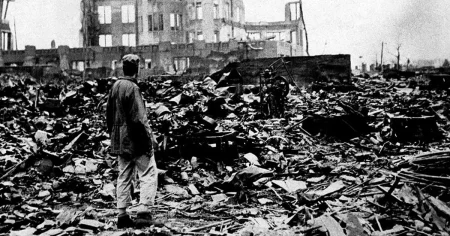
The discovery of these mass graves draws chilling parallels to the Holocaust, both in the scale of the killings and the organized nature of the atrocities. While the Balkan Wars of the 1990s saw approximately 40,000 disappearances, the Syrian conflict has eclipsed this figure threefold. The sheer number of missing persons, combined with the evidence of mass graves, points to a systematic campaign of extermination targeting those perceived as enemies of the state. Among the victims are countless individuals detained at checkpoints or imprisoned, many of whom perished in the notorious Sednaya prison, a facility synonymous with torture and extrajudicial killings, earning it the grim moniker "human slaughterhouse."
Sednaya prison stands as a chilling symbol of the Assad regime’s brutality. A third of all deaths recorded since the start of the civil war occurred within its walls. While official records often attribute deaths to heart attacks, the reality is far more sinister: systematic executions sanctioned at the highest levels of government. Prisoners subjected to sham trials were routinely condemned to death and secretly executed. Their bodies were then transported to Tishreen Hospital for registration before being disposed of in mass graves, effectively erasing any trace of their existence.
The grim reality of these mass graves exposes a meticulously orchestrated machinery of death. While the regime maintained a veil of secrecy around its execution practices, a 2015 Amnesty International report shed light on the systematic nature of the killings. The report detailed the process of secret executions, often following perfunctory trials overseen by prison guards. The subsequent disposal of bodies in mass graves further highlights the regime’s efforts to conceal the true extent of its crimes against humanity.
The uncovering of these mass graves underscores the urgent need for accountability and justice for the victims of the Syrian conflict. The sheer scale of the atrocities demands a comprehensive international investigation and prosecution of those responsible. The Syrian people deserve justice for the unspeakable horrors inflicted upon them by the Assad regime. The international community must not allow these crimes to go unpunished and must work towards ensuring that those responsible are held accountable for their actions. The memory of those buried in these mass graves demands nothing less than a full accounting for the truth and a commitment to preventing such atrocities from ever happening again. The world must not stand idly by while evidence of such horrific crimes continues to surface; action is necessary to ensure that justice is served and that the victims are not forgotten.