



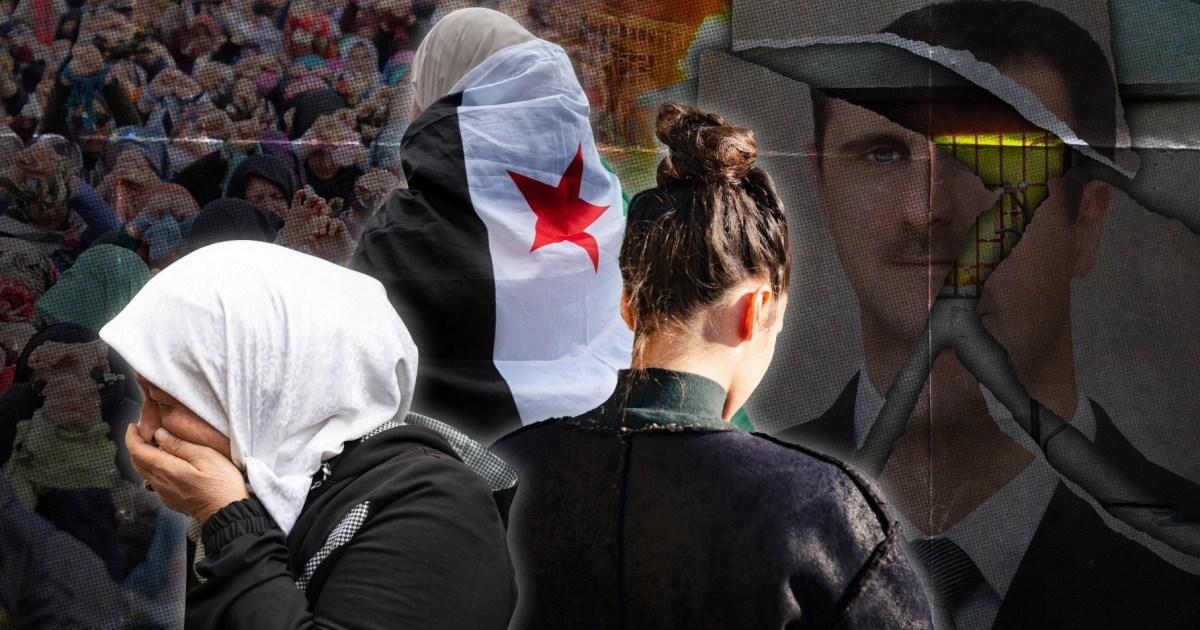
The Syrian civil war, spanning over a decade, witnessed a horrific array of violence inflicted upon civilians opposing Bashar al-Assad’s regime. Beyond the conventional weaponry of war, a more insidious tactic was systematically employed: sexual violence. Thousands of Syrian men, women, and children suffered sexual abuse at the hands of Assad’s forces, a grim reality documented by organizations like the Euro-Mediterranean Human Rights Network and Amnesty International. Rape, often described as the “cheapest weapon known to man,” served as a tool of terror, humiliation, and social control. Even with Assad’s removal from power, the future remains uncertain for survivors under the new government led by Hayat Tahrir al-Sham. The lingering trauma, coupled with the fear of stigma and the pursuit of justice, presents ongoing challenges.
Despite the overthrow of Assad’s regime, anxieties persist for Syrian women. The transition to a new governing authority brings uncertainty and raises concerns about stability and the future protection of women’s rights. The prevailing social stigma surrounding sexual violence compounds the trauma experienced by survivors, often leading to feelings of shame and self-blame. This stigma, coupled with the frequent lack of accountability for perpetrators, discourages reporting and perpetuates a culture of silence. The deeply ingrained nature of gender-based violence necessitates a comprehensive and sustained effort to dismantle the societal structures that perpetuate it, provide support for survivors, and hold perpetrators accountable. Rebuilding trust and ensuring women’s equal participation in the new governance structure are crucial steps towards a more just and equitable future.
Support services are available for survivors of rape, both recent and historical. Immediate safety and seeking medical attention are paramount in the aftermath of an assault. Reporting to the police, while a personal choice, can be aided by Independent Sexual Violence Advocates (ISVAs) who offer support throughout the process. Preserving evidence, if possible, is important for potential legal proceedings. However, reporting to the police is not mandatory, and confidential support is available through helplines like Rape Crisis, which offers a 24/7 support line and online chat. Sexual Assault Referral Centres (SARCs) provide specialized medical and psychological support for those who have experienced sexual assault. Even for historical cases of rape, support and justice can still be pursued, with no time limit on reporting.
The Syrian conflict highlights a global pattern of sexual violence deployed as a weapon of war, often leaving women disproportionately vulnerable. However, men also suffered sexual abuse in Syrian prisons, often as a form of torture and humiliation. The long-term impact of such trauma is profound, affecting survivors’ psychological well-being, sexual health, and daily lives. The scars of sexual violence, whether physical or emotional, can persist for years, demanding ongoing support and understanding. Recognizing the specific needs of male survivors and providing tailored support services remains a critical gap in addressing the full spectrum of sexual violence in conflict zones.
The use of sexual violence as a tool of control transcends geographical boundaries and historical periods. From Ukraine to Syria, and countless conflicts before, sexual abuse has been systematically employed to terrorize communities and exert dominance. While the recognition of rape as a war crime and a crime against humanity represents a crucial step forward, the pursuit of justice often falls short. The International Criminal Court’s limited number of convictions for sexual and gender-based crimes underscores the challenges in holding perpetrators accountable. Strengthening international mechanisms to document and preserve evidence, establish the fate of the disappeared, and support survivors in their pursuit of justice is essential to combat impunity.
Moving forward, supporting survivors in Syria requires a multifaceted approach that addresses both individual and societal needs. Stigmatization, a common barrier faced by survivors worldwide, can lead to isolation and further trauma. Breaking the silence surrounding sexual violence and promoting community acceptance are essential for reintegration and healing. Ensuring gender equality and equal representation for women in Syria’s new governance structures is crucial for building a more just and inclusive society. Recognizing the multifaceted identities of Syrian women, beyond their victimhood, and acknowledging their leadership roles throughout the conflict is crucial for meaningful progress. Supporting their agency and empowering them to participate in shaping their future is paramount for a truly survivor-centered approach.