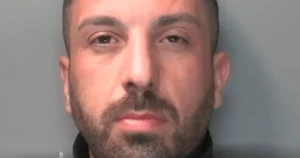



The suspect in a deadly Christmas market attack in Magdeburg, Germany, has been identified as Taleb A., a 50-year-old doctor from Saudi Arabia. He has been living in Germany since 2006, having been granted asylum after fleeing his home country. Taleb A. established the website wearesaudis.net, initially intended as a resource for Saudi Arabian asylum seekers like himself. He is a self-described former Muslim and specialist in psychiatry and psychotherapy, who publicly expressed his atheism, a stance he claimed was unsafe to hold in Saudi Arabia. While the motivation behind his attack remains unclear, his online activity reveals a complex and concerning profile.
Taleb A.’s social media presence paints a picture of a man deeply critical of Islam. His posts were often laced with anti-Islamic sentiments, conspiracy theories, and accusations against German authorities for their perceived leniency towards what he termed the “Islamization of Europe.” He frequently shared and retweeted content promoting these viewpoints, celebrating those who left Islam, and expressing concerns about the religion’s purported global ambitions. Alongside his critique of Islam, he also expressed support for the far-right, anti-immigrant Alternative for Germany (AfD) party, a stance that further complicates the understanding of his ideological leanings.
A prominent theme in Taleb A.’s online activity was his belief that German authorities were targeting Saudi asylum seekers. He repeatedly highlighted this claim, suggesting a perceived persecution that may have contributed to his growing disillusionment. This focus, combined with his other stated beliefs, created a unique and unexpected profile for a perpetrator of mass violence, according to security experts. Peter Neumann, director of the International Centre for the Study of Radicalization and Political Violence at King’s College London, expressed surprise at this particular combination of factors in a suspect.
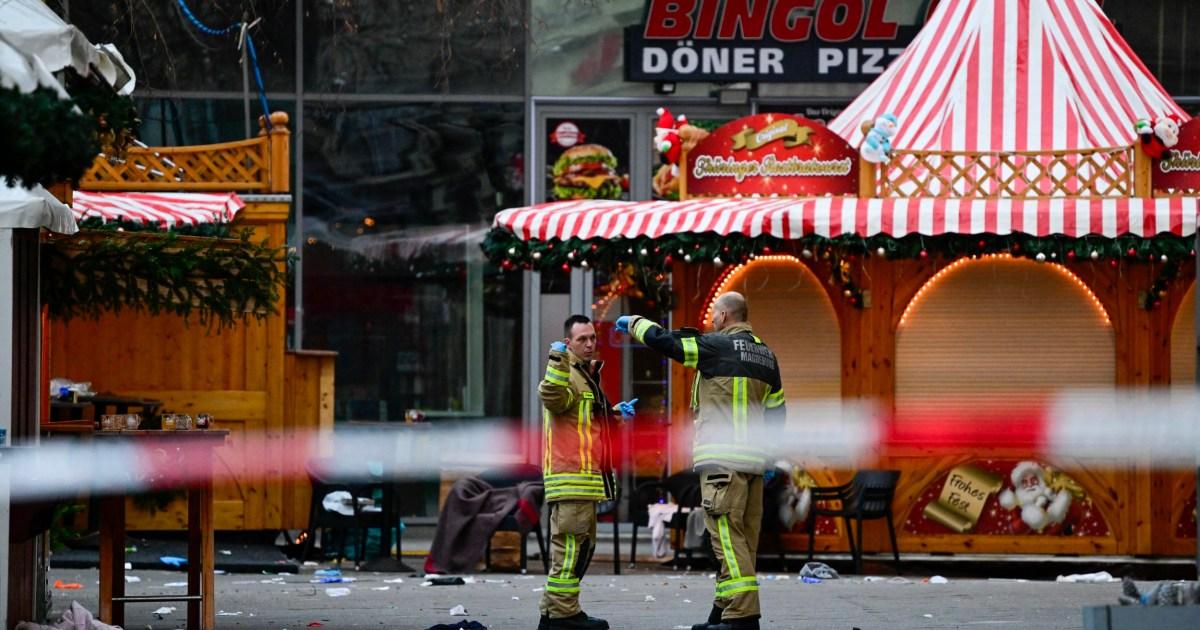
The attack, which took place on a Friday evening, involved a BMW driven into a crowd, resulting in five fatalities, including a toddler. Taleb A. was arrested at gunpoint shortly after the incident. The attack prompted widespread fear and speculation about potential copycat incidents, particularly given the timing during the holiday season. The incident has also sparked renewed discussion about security measures at public events and the broader issue of online radicalization.
While Taleb A.’s online presence offers some insight into his worldview, it does not provide a definitive explanation for his actions. The investigation into the attack is ongoing, and authorities are working to determine the exact motives behind this tragic event. The incident underscores the complexity of understanding and addressing the factors that contribute to acts of extreme violence. It also highlights the challenges of identifying individuals who may pose a threat, particularly when their beliefs and motivations are multifaceted and potentially contradictory.
The Magdeburg attack serves as a stark reminder of the vulnerability of public spaces and the ongoing need for vigilance. It also raises important questions about the role of social media in disseminating extremist ideologies and potentially influencing individuals towards violence. As investigators continue to piece together the events leading up to the attack and delve deeper into Taleb A.’s background, a clearer picture of his motivations and the factors that contributed to this tragedy may emerge. This incident will likely prompt further analysis and discussion regarding the evolving landscape of extremism and the challenges of preventing future acts of violence.