

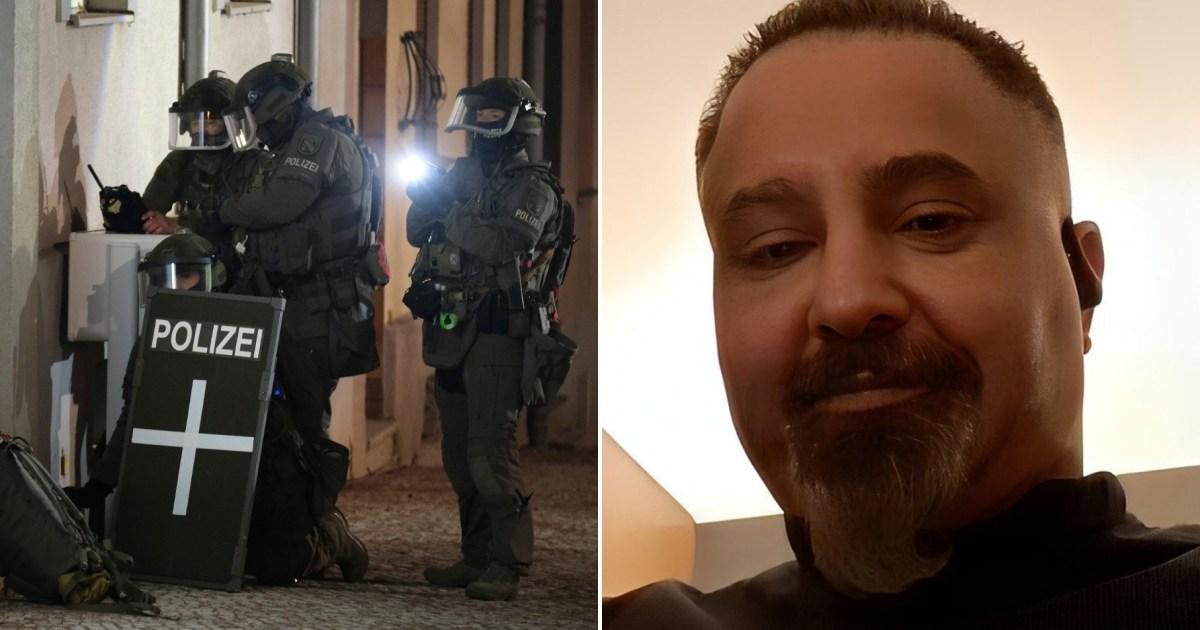
The peaceful atmosphere of a Christmas market in Magdeburg, Germany, was shattered on Friday evening when a car plowed into the crowd, leaving five dead and 41 seriously injured. The victims included four women aged between 45 and 75, and a nine-year-old boy. The festive occasion transformed into a scene of chaos and tragedy, prompting an immediate response from law enforcement and emergency services. The incident has sent shockwaves throughout Germany, evoking memories of similar attacks in the past and raising questions about security measures at public events. In the aftermath, mourners gathered at the site, paying their respects to the victims amidst a palpable sense of grief and disbelief.
The alleged perpetrator, identified as Taleb A, a 50-year-old Saudi Arabian doctor who had been granted asylum in Germany, was apprehended by authorities. Taleb A was described as an anti-Islam activist active on social media, expressing his disillusionment with Germany’s refugee policies and perceived inadequate support for Saudi women. He felt Germany was admitting the “wrong” refugees, and his online posts contained veiled threats against the country. Reports suggest that Taleb A had been practicing psychiatry and psychotherapy at a state-owned clinic but had been struggling with his mental health, experiencing periods of withdrawal and a belief he was being surveilled by the Saudi Arabian secret service. His profile as a suspect has surprised even seasoned terrorism experts, who found his background and motivations unusual.
Adding another layer to the unfolding narrative, Der Spiegel reported that German intelligence had received three separate warnings from Saudi Arabian intelligence agencies regarding Taleb A in 2023 and 2024. These warnings highlighted his social media activity, particularly posts where he suggested Germany would “pay a price” for its treatment of Saudi Arabian refugees. While the information was relayed to the relevant state authorities, no concrete threat was identified at the time. This revelation has inevitably sparked debate and scrutiny of the handling of these intelligence warnings and whether more could have been done to prevent the attack. The investigation is ongoing, with authorities seeking to piece together the full extent of Taleb A’s motivations and actions.
The tragic event has prompted an outpouring of grief and solidarity across Germany. Chancellor Olaf Scholz expressed his condolences and support for the victims and the people of Magdeburg. Several other German towns chose to cancel their weekend Christmas markets as a precaution and in solidarity with Magdeburg. The attack has brought back painful memories of the 2016 Berlin Christmas market attack, where an Islamic extremist drove a truck into a crowd, killing 13 people. It has also reignited discussions about security measures at public gatherings and the challenges of preventing such attacks in open and accessible spaces.
The attack in Magdeburg highlights the complexities of security in an increasingly interconnected world. The suspect’s unique profile, combined with the reported intelligence warnings, underscores the difficulties in assessing and responding to potential threats. It also raises questions about the balance between maintaining open and inclusive societies and implementing necessary security measures to protect citizens from acts of violence. The incident serves as a grim reminder of the ever-present threat of terrorism and the need for continued vigilance and international cooperation in combating extremism.
In the wake of this tragedy, the focus remains on supporting the victims, their families, and the community of Magdeburg as they grapple with the aftermath of this horrific event. The investigation will continue to unfold, seeking to provide answers and accountability. The incident also necessitates a broader societal reflection on how to address the root causes of extremism and strengthen security measures to prevent future tragedies while preserving the values of openness and freedom that are integral to democratic societies. The Christmas market attack in Magdeburg stands as a stark reminder of the fragility of peace and the constant need to work towards a safer and more secure future.