


The Fall of Assad and the Uncertain Future for LGBTQ+ Syrians
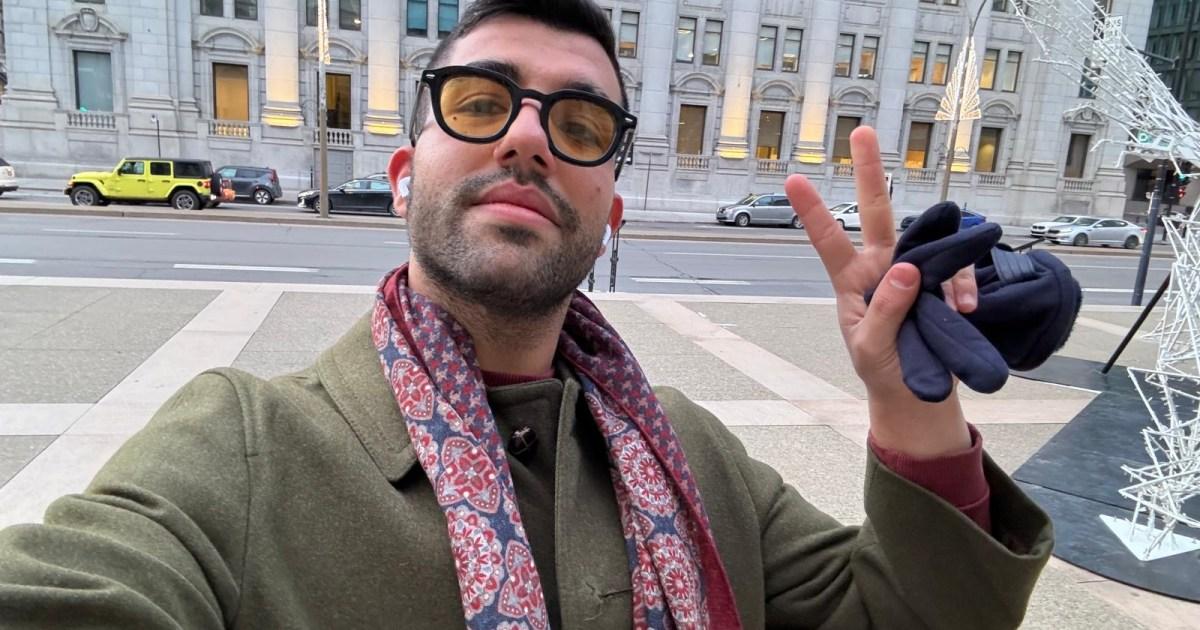
The toppling of Bashar al-Assad’s regime in Syria has ignited a mix of jubilation and apprehension among the country’s LGBTQ+ community. While Assad’s rule was marked by systematic persecution and violence against sexual and gender minorities, the ascent of Hay’at Tahrir al-Sham (HTS), the group responsible for his downfall, presents a complex and uncertain future. Francois Zankih, a gay Syrian human rights activist and founder of the Guardians of Equality Movement (GEM), embodies this duality. Having endured torture and death threats at the hands of HTS, he acknowledges the group’s recent shift towards moderating its stance on minorities, yet remains wary of their long-term intentions. The fall of Assad, he argues, removes the "biggest source of violence" against LGBTQ+ Syrians, offering a glimmer of hope for a more tolerant future. However, the deeply ingrained homophobia within Syrian society, coupled with HTS’s history of extremist ideology, poses significant challenges to achieving true equality and safety.
HTS, an organization with roots in al-Qaeda, has undergone a transformation in recent years, distancing itself from global jihadist ambitions and focusing on consolidating power within Syria. This shift has included a degree of protection for minority groups like Christians, Druze, and Kurds, signaling a potential departure from their earlier hardline stance. While HTS has reportedly communicated a more tolerant attitude towards Zankih’s activism, memories of past brutality linger, creating a climate of distrust and cautious optimism. The group’s efforts towards international legitimacy are hampered by their history of human rights abuses and violent suppression of dissent. The question remains whether their apparent moderation represents genuine ideological evolution or a pragmatic strategy to secure power.
The complexities of the situation are further underscored by the experiences of LGBTQ+ Syrians returning to HTS-controlled territories. While some have encountered relatively lenient treatment, including lighter punishments for "homosexual acts," others have faced violence at the hands of their own families, highlighting the pervasive homophobia that continues to permeate Syrian society. This underscores the profound societal challenge that lies ahead, even if HTS were to fully embrace tolerance. The fear of community-based violence overrides any potential legal protections or pronouncements of acceptance from the ruling power.
The prevailing homophobia in Syrian society is a legacy of Assad’s deliberate manipulation of social attitudes, aimed at consolidating his power by fostering conservatism and prejudice. This deeply entrenched social stigma poses the most immediate threat to LGBTQ+ Syrians, regardless of HTS’s official policies. Zankih emphasizes the urgent need to address these societal attitudes, arguing that true safety and acceptance will only come through a fundamental shift in social consciousness. The path to achieving this transformation is fraught with challenges, particularly in a post-conflict environment where social divisions and mistrust run deep.
Despite the significant obstacles, Zankih remains optimistic about the potential for positive change. He points to the concept of "social forgiveness" within Syrian culture, a willingness to reconcile and rebuild relationships even after periods of intense conflict. This cultural value, he believes, can serve as a foundation for fostering greater understanding and acceptance of LGBTQ+ individuals. He envisions a future where Syrian society embraces its diversity and offers a safe and inclusive environment for all its citizens. This vision hinges on the success of initiatives like GEM’s efforts to engage with international human rights mechanisms, holding the new government accountable for protecting the rights of sexual and gender minorities.
The transition from Assad’s rule to the uncertain reign of HTS presents a critical juncture for the future of LGBTQ+ rights in Syria. While the downfall of a repressive regime offers a flicker of hope, the deep-seated societal prejudices and the ambiguous intentions of the new ruling power create a complex and challenging landscape. The path forward requires a concerted effort to address both legal frameworks and societal attitudes, demanding a delicate balance of cautious optimism and persistent advocacy. The story of Francois Zankih and the experiences of LGBTQ+ Syrians serve as a stark reminder of the fragility of progress and the ongoing struggle for equality in a nation grappling with its past and navigating an uncertain future.
Zankih’s firsthand accounts of torture and escape paint a grim picture of the persecution faced by LGBTQ+ individuals under both the Assad regime and extremist groups. His nose, permanently disfigured by the violence he endured, serves as a constant reminder of the brutality he faced. Yet, his resilience and determination to fight for LGBTQ+ rights remain unwavering. His optimism, though tempered by caution, highlights the potential for change and the importance of continued activism in the face of adversity. The fall of Assad, while welcomed, does not guarantee safety or acceptance for LGBTQ+ Syrians. Their future hinges on the actions of HTS, the evolution of societal attitudes, and the sustained efforts of activists like Zankih who continue to strive for a more just and inclusive Syria.
The international community also plays a crucial role in this uncertain landscape. The recognition of HTS as a terrorist organization by several countries, including the UK, complicates efforts to engage with the new government. However, international pressure and support for human rights organizations like GEM are essential for promoting accountability and protecting vulnerable populations. The world must watch closely as events unfold in Syria, ensuring that the rights of LGBTQ+ individuals are not overlooked in the pursuit of stability and reconstruction.
The unfolding situation in Syria underscores the complex interplay between political transitions, social dynamics, and individual experiences. The story of LGBTQ+ Syrians is a microcosm of the broader challenges facing the nation as it grapples with its past and attempts to chart a new course towards a more inclusive and tolerant future. The journey ahead is fraught with uncertainty, but the resilience and determination of activists like Francois Zankih offer a beacon of hope in the fight for equality and justice. The international community must remain vigilant and engaged, ensuring that the rights of all individuals, including those from marginalized communities, are respected and protected during this critical period of transition.
The rapid fall of Assad, in a matter of weeks, took many experts by surprise and left a power vacuum that HTS quickly filled. The group’s swift military victory and subsequent establishment of a transitional government have raised concerns about their long-term intentions. While they claim their rule will be temporary, there is skepticism about their commitment to a truly inclusive and democratic process. The absence of a detailed roadmap for power-sharing and the continued influence of hardline Islamist clerics raise questions about HTS’s genuine commitment to reform.
The conflicting reports emerging from HTS-controlled territories paint a complex picture of the group’s evolving stance on LGBTQ+ rights. While some individuals have reported more lenient treatment compared to the brutal persecution under Assad, others continue to face discrimination and violence. This mixed reality highlights the challenges of assessing HTS’s true intentions and the need for continued vigilance. The absence of clear legal protections and the persistence of societal homophobia underscore the ongoing vulnerability of LGBTQ+ Syrians.
The narrative of hope and uncertainty surrounding the future of LGBTQ+ rights in Syria is interwoven with the broader challenges facing the nation. The long-term stability and prosperity of Syria depend on its ability to address deep-seated social divisions, foster reconciliation, and build a truly inclusive society. The experiences of the LGBTQ+ community serve as a litmus test for the new government’s commitment to these principles. Their journey towards equality and acceptance is intrinsically linked to the broader struggle for a more just and democratic Syria. The international community has a vital role to play in supporting this process, providing assistance for rebuilding institutions, promoting human rights, and holding all parties accountable for their actions. The future of Syria rests on the collective efforts of its citizens, its leaders, and the international community to build a nation where all individuals are treated with dignity and respect.