


The escalating conflict in Gaza and the West Bank has cast a harsh light on the dire situation faced by women and girls, revealing a severe lack of funding for vital services aimed at preventing and addressing gender-based violence. According to recent UN figures, the global funding allocated to protect women and girls from this pervasive issue amounts to a mere £3 per person in 2024, a stark indicator of the global under-prioritization of this critical need. This is particularly alarming in conflict zones like Gaza and the West Bank, where over 950,000 women and girls have been displaced from their homes, rendering them even more vulnerable to violence and abuse. The displacement, coupled with food insecurity and disruptions to essential services, creates a breeding ground for various forms of gender-based violence, including sexual violence, intimate partner violence, and early and forced child marriage. The scarcity of resources dedicated to addressing this crisis leaves countless women and girls exposed to harm and perpetuates a cycle of vulnerability.
The lack of funding extends beyond gender-based violence prevention, impacting crucial areas like education and child protection. The UN Humanitarian Appeal provides a meager £19 per child for education in Gaza and the West Bank, a stark contrast to the £7,460 per pupil funding in the UK. This disparity underscores the vast gap in educational opportunities for children in conflict zones, hindering their potential and jeopardizing their future prospects. Furthermore, the paltry £7 allocated per child for protection services further exacerbates their vulnerability. This lack of investment deprives children of critical mental health and psychosocial support services, which are essential for coping with trauma and building resilience in the face of adversity. The long-term consequences of inadequate support can be devastating, impacting their mental and emotional well-being throughout their lives.
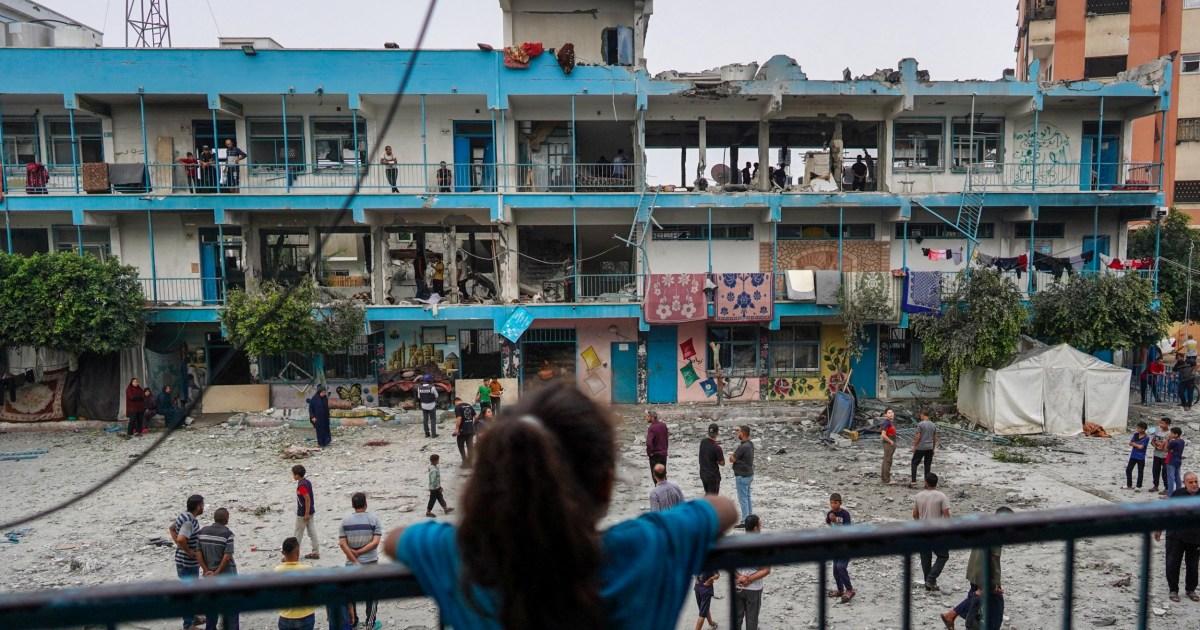
The precarious situation faced by women and girls in Gaza and the West Bank is further compounded by the destruction of infrastructure and essential services. The ongoing conflict has resulted in the devastation of schools, healthcare facilities, and support centers for survivors of violence. This destruction not only deprives women and girls of crucial services but also exacerbates their vulnerability to further exploitation and abuse. The loss of homes, families, and support networks takes a heavy toll on their mental health, leaving them struggling to cope with the trauma and uncertainty that surrounds them. The combination of displacement, violence, and lack of essential services creates a perfect storm of vulnerability, leaving women and girls at heightened risk of harm.
Experts in humanitarian aid and gender equality emphasize the urgency of the situation. Nagore Moran, Gender in Emergencies Advisor at Plan International UK, highlights how crises and conflicts exacerbate existing gender inequalities, leading to a surge in gender-based violence. The disruption of essential services, coupled with displacement and food insecurity, creates a fertile ground for various forms of violence against women and girls. Amelia Whitworth, Head of Policy, Campaigns & Youth at Plan International UK, echoes this concern, emphasizing the increased threat of gender-based violence and abuse faced by displaced women and girls in Gaza and the West Bank. She points out that the attacks by the Israeli military have destroyed vital services for survivors of gender-based violence, further compounding their suffering and limiting their access to support.
The international community’s response to this crisis has been criticized as inadequate. While the UK government’s recent announcement of £19 million in funding for Gaza is a welcome step, it is viewed as insufficient to address the scale of the needs. Humanitarian organizations and advocates are calling for significantly more funding to prevent the decimation of the futures of generations of women and girls. They also urge the UK government to take stronger action by halting arms exports to Israel and pushing for an immediate and permanent ceasefire in the region. These measures are seen as crucial for creating an environment where girls and young women can rebuild their lives and have a chance at a brighter future.
The ongoing conflict in Gaza and the West Bank has created a humanitarian crisis, particularly for women and girls. The severe lack of funding for essential services, coupled with the destruction of infrastructure and the displacement of hundreds of thousands of people, has left them incredibly vulnerable to violence, abuse, and exploitation. The meager funding allocated for gender-based violence prevention, education, and child protection is far from sufficient to address the immense needs on the ground. The international community must step up its efforts and provide significantly more resources to protect the rights and well-being of women and girls in this conflict zone. A lasting solution can only be achieved through a combination of increased funding, a halt to arms exports, and a commitment to achieving a peaceful resolution to the conflict. Without these crucial steps, the future of countless women and girls remains in jeopardy.