


Poland Mandates Firearms Training for Schoolchildren Amidst Russia-Ukraine War Concerns
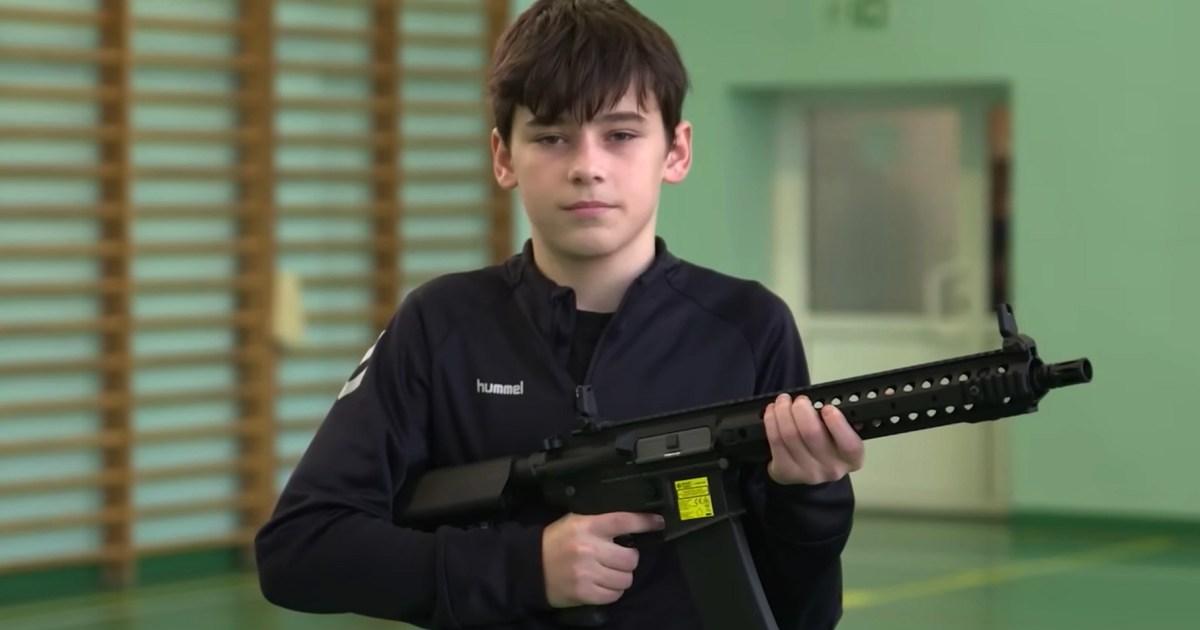
Poland has introduced mandatory firearms training for students aged 13 and above in a move driven by anxieties stemming from the ongoing conflict in Ukraine. This decision underscores the nation’s heightened security concerns given its shared border with Ukraine and the perceived threat posed by Russia. The program involves training students to assemble and operate weapons, utilizing laser-based systems instead of live ammunition, within a controlled environment under adult supervision. The initiative has been met with mixed reactions, with some parents expressing support for the measure as a means of preparing their children for potential future conflicts while others raise concerns about the militarization of education.
The mandatory firearms training is being implemented across all 18,000 schools in Poland, reflecting a significant shift in the country’s educational landscape. Previously, such training was offered as an optional activity, but it has now become a compulsory component of the curriculum, alongside traditional subjects like math and history. This change highlights Poland’s commitment to ensuring its citizens are equipped with basic defense skills and prepared for potential security threats, particularly in light of the ongoing war in its neighbouring country. The decision has generated significant debate both domestically and internationally, raising questions about the appropriateness of introducing firearms training into the school curriculum and the potential long-term implications of this policy.
Proponents of the initiative argue that it is a necessary measure in the current geopolitical climate, providing children with essential skills to defend themselves and their country in case of an emergency. They point to the escalating tensions in the region and the unpredictable nature of the conflict in Ukraine as justification for this proactive approach to national security. Furthermore, some parents view the training as an opportunity to instill patriotic values and a sense of duty towards the nation in their children. They believe that by learning to handle firearms responsibly, children are better equipped to contribute to the country’s defense and protect its sovereignty.
The introduction of mandatory firearms training reflects a broader trend of increasing militarization in Polish society. The country has witnessed a surge in military spending and a growing emphasis on national defense in recent years, largely in response to the perceived threat from Russia. The war in Ukraine has further intensified these concerns, leading to a heightened sense of urgency regarding national security preparedness. This emphasis on military readiness is evident not only in the education system but also in other areas of public life, including increased defense budgets, military exercises, and public awareness campaigns promoting national security.
However, the initiative has also drawn criticism from those who believe it is inappropriate to expose children to weapons at such a young age. Concerns have been raised about the potential psychological impact of firearms training on children, as well as the risks associated with normalizing weapon handling. Critics argue that the focus on military training could divert resources from other important areas of education, and they question the effectiveness of such training in actually preparing children for real-life combat situations. Furthermore, some express concerns about the potential for accidents or misuse of firearms by children who have received training in school. The debate surrounding the mandatory firearms training underscores the complex and often conflicting perspectives on national security, child welfare, and the role of education in shaping young minds.
Ultimately, the decision to implement mandatory firearms training for schoolchildren in Poland reflects the country’s unique geopolitical circumstances and its heightened sense of vulnerability in the face of regional instability. While proponents of the program argue that it is a necessary step to ensure national security and prepare the next generation for potential threats, critics raise valid concerns about the potential negative impacts of such training on children and the overall educational landscape. The ongoing debate surrounding this initiative highlights the complex ethical and practical considerations involved in balancing national security concerns with child welfare and the broader educational goals of a society. The long-term effects of this policy on Polish society and its implications for the broader region remain to be seen.