



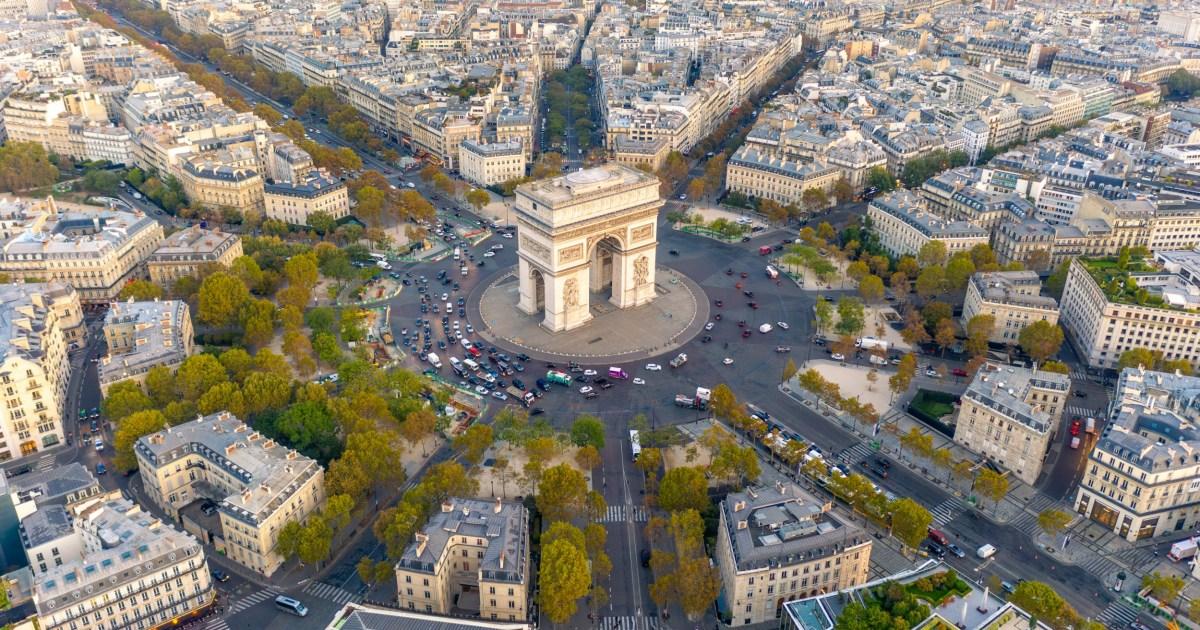
The Arc de Triomphe, a globally recognized symbol of French grandeur and a major tourist attraction in Paris, was the target of a bomb threat on a seemingly ordinary day. The incident unfolded when French authorities received an anonymous call around 11 am local time. The caller, a man, declared his intent to detonate the Arc, claiming to be wearing an explosive belt. He further escalated the threat by alleging he was part of a five-person group planning multiple attacks across the city. This chilling declaration prompted immediate and widespread security responses across the French capital.
The gravity of the threat led to the swift evacuation of tourists from the Arc de Triomphe and the establishment of a security cordon around the iconic monument. The perimeter remained closed for approximately an hour as authorities assessed the situation and initiated investigations. Simultaneously, security measures were heightened at other prominent Parisian landmarks, including the Eiffel Tower and the Bataclan Theatre, both of which have been targets of terrorism in the past. Law enforcement personnel were deployed to these locations to conduct thorough checks and ensure public safety.
Fortunately, after diligent investigation, the threat was deemed a hoax by the French police. The security cordon around the Arc de Triomphe was lifted, allowing the monument to reopen to visitors later that afternoon. While the incident proved to be a false alarm, it undoubtedly caused significant disruption and anxiety among tourists and Parisians alike. The incident underscores the heightened security concerns that permeate major cities worldwide, particularly in light of past terrorist events.
This bomb threat against the Arc de Triomphe is not an isolated incident in Paris. The city has experienced a string of similar threats throughout the year, particularly in the lead-up to the 2024 Olympic Games, creating an atmosphere of heightened vigilance and security concerns. Earlier incidents included evacuations of Gare du Nord, one of Paris’s busiest train stations, and Paris Orly Airport, both triggered by suspicions of potential attacks that ultimately proved unfounded. These recurring false alarms, while disruptive and costly, highlight the challenges faced by security forces in balancing public safety with the need to avoid overreaction.
The repeated bomb threats raise important questions about the motivations behind them. Are they the work of individuals seeking to disrupt public life, to test security measures, or are they expressions of deeper societal anxieties? Regardless of the motives, these incidents necessitate a comprehensive response. Improved intelligence gathering, stricter security protocols, and public awareness campaigns are essential components of a robust anti-terrorism strategy. Furthermore, mental health support and intervention strategies may be necessary to address potential underlying issues driving such behavior.
The incident at the Arc de Triomphe serves as a stark reminder of the ongoing threat of terrorism and the persistent need for vigilance. While the hoax ultimately caused no physical harm, it undoubtedly left a psychological impact. The experience reinforces the importance of preparedness, both for individuals and for cities as a whole. Developing effective emergency response plans, fostering communication between security agencies and the public, and promoting community resilience are crucial steps in mitigating the impact of such threats, whether real or perceived. Ultimately, maintaining a balance between security and freedom remains a delicate but essential challenge for urban centers worldwide.