


Paragraph 1:
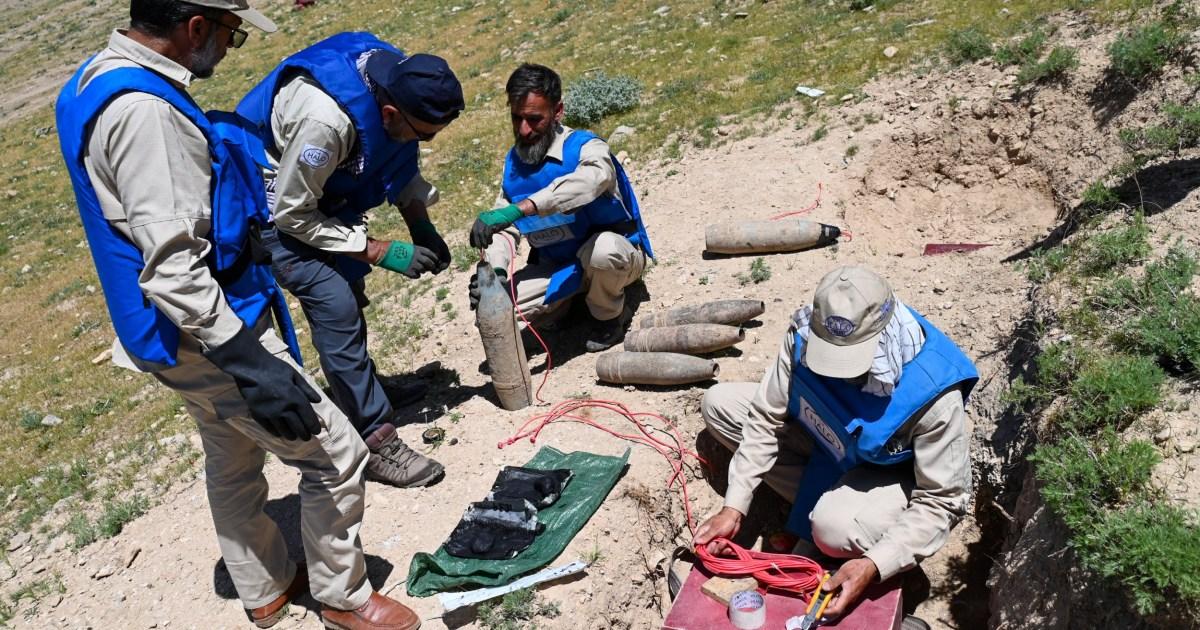
The war-torn landscape of Afghanistan is undergoing a remarkable transformation, as former Taliban fighters, once responsible for laying countless landmines, are now actively involved in clearing them. This unexpected collaboration between ex-Taliban members, local police, and the HALO Trust, a Scottish-based demining charity, marks a significant turning point in the nation’s ongoing struggle with explosive remnants of war. Improvised Explosive Devices (IEDs), once a ubiquitous tool of the Taliban during their two-decade conflict against international forces and the former Afghan government, continue to pose a grave threat to civilians, particularly children, claiming the lives of approximately 60 young victims each month. The urgency of the situation has spurred former adversaries to unite in a common cause, driven by the shared desire to rebuild their nation and protect its people.
Paragraph 2:
The collaboration has yielded invaluable insights into the locations and types of IEDs planted, facilitating a more efficient and targeted approach to demining. Instances of former fighters recognizing their own planted devices are a testament to the genuineness of their participation. Callum Peebles, a program manager for the HALO Trust, recounted an incident near Kandahar in November 2021, where a security guard escorting the team identified a landmine as his own, even pointing out other locations where he and his comrades had laid explosives. Such instances highlight the unique nature of this partnership, enabling demining teams to access previously unavailable information and accelerate the clearing process.
Paragraph 3:
Since 1988, the HALO Trust has successfully removed over 800,000 landmines from Afghanistan and currently operates in 25 of the country’s 34 provinces, working with the permission of the current Taliban government. The cessation of major fighting has provided a window of opportunity to intensify demining efforts, as approximately 1.2 million square meters of land remain contaminated with mines and IEDs. The devastating impact of these explosives is tragically illustrated by the statistics: between January 2022 and February 2024, over 1,400 lives were lost to these devices, with a staggering 86% of the victims being children. Incidents like the one in April 2024, where nine children were killed while playing with a decades-old mine in Ghazni province, underscore the ongoing danger and the critical need for continued demining operations.
Paragraph 4:
Despite the complex political landscape and human rights concerns, particularly regarding the treatment of women and girls under the current regime, the HALO Trust’s work is largely welcomed. Many ex-Taliban fighters express a desire to rebuild Afghanistan and see demining as a critical step towards that goal. While acknowledging the severe challenges facing the nation, particularly the restrictions on women’s rights, Peebles emphasizes the significance of the collaboration, stating that the Taliban have been remarkably cooperative in facilitating demining activities. This shared commitment to removing the deadly legacy of war provides a glimmer of hope for a safer future.
Paragraph 5:
The involvement of former bomb-makers has proven particularly valuable, offering unique insights into the tactics and strategies employed during the conflict. By sharing their knowledge, these individuals have enabled demining teams to better understand the placement and types of IEDs used, further improving the effectiveness of their work. This level of cooperation is unprecedented and highlights a significant shift in perspective among some former fighters, demonstrating a willingness to prioritize the safety and wellbeing of their communities over past animosities. The information gleaned from these interactions has been instrumental in enhancing the speed and precision of demining operations.
Paragraph 6:
The legacy of landmines in Afghanistan is a grim reminder of the protracted conflict. These devices, often placed strategically along roadsides by Taliban fighters to target vehicles and personnel, were responsible for the deaths of hundreds of British soldiers and were the leading cause of death among UK forces between 2001 and 2014. The ongoing demining efforts, aided by the unprecedented cooperation of former Taliban members, represent a crucial step toward healing the wounds of war and building a safer future for the Afghan people. The shared commitment to clearing the land of these deadly remnants offers a testament to the human capacity for reconciliation and the potential for even former adversaries to unite for the common good.