



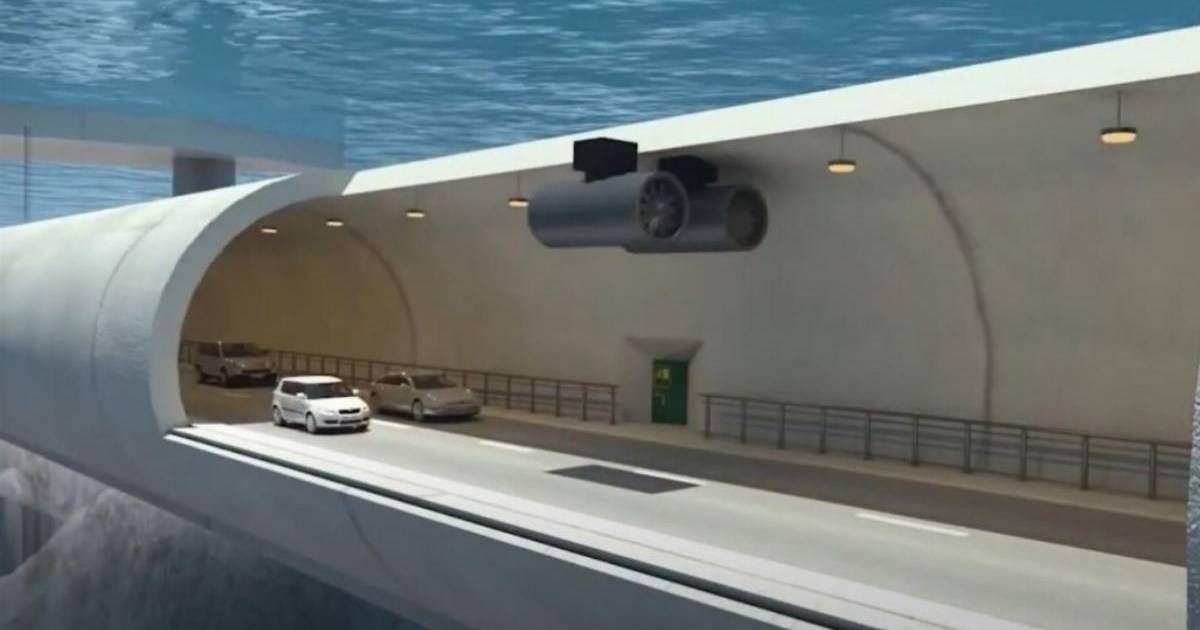
Norway is embarking on an ambitious engineering feat, the construction of the Rogfast tunnel, a marvel of modern engineering designed to revolutionize transportation along the country’s western coastline. This 17-mile underwater tunnel, a key component of the larger E39 coastal highway improvement project, will significantly reduce travel times between Randaberg and Bokn, currently a tedious 21-hour journey involving ferries and winding coastal roads. Upon its projected completion in 2033, the Rogfast tunnel will slash this travel time to a mere 10 hours, offering a substantial improvement for commuters and travelers alike. This ambitious project represents a significant investment, with a projected cost of £1.6 billion, but for Norway, a nation ranked seventh globally in wealth thanks to its abundant North Sea oil and gas reserves, the price tag is deemed a worthwhile investment in its infrastructure and future.
The Rogfast tunnel is not merely a long underwater passage; it’s a complex engineering marvel incorporating cutting-edge technology and innovative design. Consisting of two dual-lane tubes, the tunnel will delve to depths of 1,300 feet beneath the surface of the fjord, offering a seamless and rapid transit experience. A unique aspect of the project is the incorporation of floating sections, a groundbreaking approach to underwater tunnel construction that addresses the challenges posed by the fjord’s depth and geological characteristics. This innovative approach involves anchoring submerged tunnel sections to the seabed, allowing for a more cost-effective and efficient construction process compared to traditional methods. The journey through the tunnel is estimated to take only 35 minutes, a dramatic contrast to the current multi-hour ferry crossing.
Beyond its immediate impact on travel times, the Rogfast tunnel forms a crucial part of Norway’s broader vision for its coastal highway network. The E39 coastal highway project, a £36 billion undertaking, aims to modernize and streamline transportation along Norway’s western coast, connecting Trondheim in the north to Kristiansand in the south. This comprehensive upgrade involves the construction of numerous bridges and tunnels, with the Rogfast tunnel being the most ambitious and technically challenging component. The project’s goal is to improve connectivity, boost regional economies, and enhance accessibility to remote communities along the coast, ultimately fostering economic growth and integration across the country.
However, the magnitude of the Rogfast project has not been without its share of controversy. Concerns have been raised regarding the tunnel’s location in a seismically active region. Critics point to the absence of a comprehensive earthquake risk assessment prior to the commencement of construction, despite Norway’s documented seismic activity, the highest of any country north of the Alps. This oversight raises questions about the long-term safety and stability of the tunnel in the event of a significant earthquake. While proponents argue that the tunnel’s design incorporates robust safety features to mitigate seismic risks, the lack of a thorough pre-construction assessment remains a point of contention.
Furthermore, the tunnel’s construction has sparked local debate about its potential social impact. While the significantly reduced travel time is undeniably a welcome improvement, particularly for commuters, some residents express concerns about the potential loss of social connections associated with the ferry service. The ferry, while slower, provided a communal space for interaction and exchange among locals, a social aspect that will be absent with the transition to the faster, more impersonal tunnel. This concern highlights the broader societal impacts of infrastructure development, where efficiency and speed sometimes come at the expense of community and traditional ways of life.
In summary, the Rogfast tunnel stands as a testament to Norway’s engineering prowess and commitment to modernizing its infrastructure. This ambitious project promises to revolutionize travel along the country’s western coast, significantly reducing journey times and enhancing connectivity. However, the project’s scale and complexity have also brought to the forefront important questions regarding seismic safety and the potential social impacts of replacing traditional ferry services. As construction progresses, navigating these challenges and ensuring the long-term safety and societal benefits of the tunnel will be crucial to realizing its full potential as a transformative infrastructure project. The Rogfast tunnel represents not just a feat of engineering but also a case study in the complex interplay of technological advancement, economic development, and societal considerations.