



Paragraph 1: A Frozen Wonderland in Harbin, China
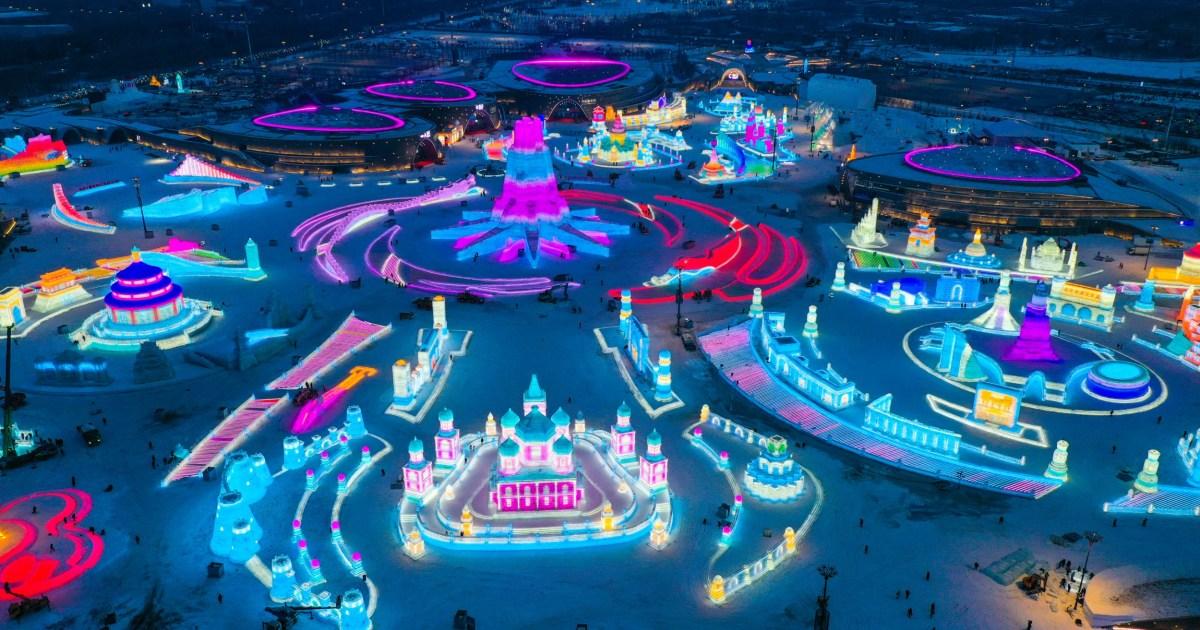
The city of Harbin, China, has once again transformed into a breathtaking winter wonderland with the opening of the 26th annual Harbin Ice and Snow World festival. This year’s theme, "Dream of Winter, Love among Asia," promises a spectacular display of ice and snow artistry, featuring dazzling sculptures, towering ice palaces, and exhilarating slides. The festival, which opened on the winter solstice, December 21, 2024, invites visitors to experience a truly magical world crafted from over 300,000 cubic meters of ice and snow, a volume surpassing any other ice-based theme park globally. The festival continues until late February 2025, offering a unique winter escape for tourists from around the world.
Paragraph 2: Iconic Structures and Thrilling Attractions
This year’s festival boasts a diverse range of attractions, from meticulously recreated global landmarks representing over 42 countries to a life-sized replica of Elsa’s ice palace from the popular Disney film, Frozen. Thrill-seekers can enjoy the adrenaline rush of 24 super slides, each stretching an impressive 521 meters (1,709 feet) in length, providing over 41,000 feet of combined icy descent. For those seeking a more traditional experience, the festival offers opportunities to marvel at the intricate ice sculptures, wander through illuminated snow castles, and witness the sheer scale of this frozen wonderland. A unique and invigorating experience awaits those brave enough to plunge into the icy waters of the Songhua River through a designated swimming hole carved into the frozen surface.
Paragraph 3: Construction of a Frozen Metropolis
The creation of this ephemeral city of ice requires a monumental effort, involving thousands of workers toiling over three to four weeks. The process begins with harvesting ice blocks from the frozen Songhua River. These blocks are then transported to the festival site, a logistical undertaking involving an estimated 30,000 to 50,000 truck journeys. Skilled artists then meticulously carve and connect the ice blocks, transforming them into the stunning sculptures and structures that define the Harbin Ice and Snow World. This intricate process blends artistic vision with engineering prowess, resulting in a temporary metropolis that captivates visitors with its beauty and scale.
Paragraph 4: Weather Precautions and Visitor Safety
Given the extreme temperatures of Harbin, which can plummet to -25°C during the festival period, visitor safety is paramount. Authorities have issued warnings about the risks of frostbite and hypothermia, urging attendees to dress warmly in layers and wear appropriate footwear, such as ski boots. Eye protection, including sunglasses or snow glasses, is also recommended to prevent snow blindness from the intense glare of the sun reflecting off the ice and snow. These precautions ensure that visitors can fully enjoy the magical experience while mitigating the potential dangers of the extreme cold.
Paragraph 5: Demolishing the Ephemeral Dream
The ephemeral nature of the Harbin Ice and Snow World adds to its allure. As temperatures rise in March and April, the magnificent ice structures must be carefully deconstructed before they melt and potentially pose a safety hazard. This controlled demolition marks the end of the winter spectacle, leaving behind memories of a frozen dream until the next winter season. The temporary nature of the festival underscores the delicate balance between art and nature, reminding us of the transient beauty of the ice and snow creations.
Paragraph 6: A Global Winter Destination
The Harbin Ice and Snow World festival has become a renowned international winter destination, attracting thousands of tourists from around the globe. The festival offers a unique blend of artistic expression, cultural celebration, and thrilling winter activities, creating an unforgettable experience for all who venture into this frozen realm. The festival’s continued success highlights its ability to captivate and inspire, showcasing the transformative power of ice and snow as a medium for artistic expression and cultural exchange.