


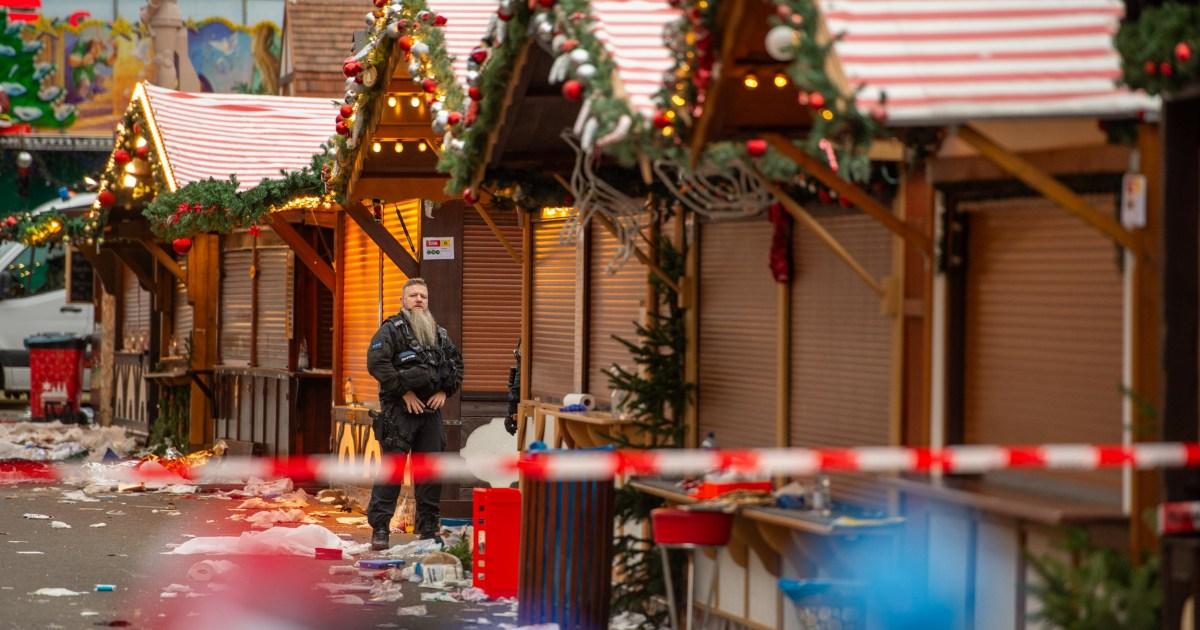
The festive atmosphere surrounding Christmas markets in Germany was shattered by a horrific car-ramming attack in Magdeburg, echoing chillingly similar incidents that have scarred the nation in recent years. A BMW plowed into a crowd at the bustling market, killing five people, including a toddler, and injuring more than 200, with over 40 individuals fighting for their lives in critical condition. The attack has ignited fear of copycat incidents across Europe, prompting increased security measures at Christmas markets and a renewed emphasis on public vigilance.
The suspect, apprehended at gunpoint shortly after the attack, now faces investigation as authorities piece together the motive behind this devastating act. Chancellor Olaf Scholz, visiting the scene of the tragedy, expressed the nation’s shared grief and emphasized the importance of unity in the face of such senseless violence. He drew parallels to the 2016 Berlin Christmas market attack, a somber reminder of the vulnerability of these traditionally joyous gatherings. The Magdeburg attack, occurring close to the anniversary of the Berlin tragedy, underscores the persistent threat of vehicle-based assaults targeting public spaces.
The incident has sparked widespread concern about the potential for similar attacks, particularly with Christmas markets across Europe serving as symbolic targets. Chris Phillips, former head of Britain’s counter-terrorism security office, voiced these concerns, emphasizing the need for heightened public awareness and reporting of suspicious behavior. He advocated for the continuation of Christmas markets, arguing that their cancellation would constitute a victory for terrorists. This sentiment reflects a broader societal struggle to balance safety concerns with the preservation of cherished cultural traditions.
German authorities have responded swiftly to the heightened threat by bolstering police presence at Christmas markets, particularly in Berlin. This visible display of security aims to reassure the public and deter potential copycat attackers. The increased security measures highlight the difficult balancing act between ensuring public safety and maintaining the open and festive atmosphere that characterizes these events. The attack serves as a stark reminder of the ongoing need for vigilance and preparedness in the face of terrorism.
The Magdeburg attack is not an isolated incident in Germany’s recent history. In December 2020, a similar car-ramming attack in Trier claimed the lives of five people, including a nine-week-old baby. These incidents underscore the vulnerability of public spaces and the devastating impact of vehicle-based attacks. The recurrence of such tragedies raises questions about the effectiveness of existing security measures and the need for ongoing adaptation to evolving threats.
The recurring nature of these attacks in Germany necessitates a broader discussion about societal resilience and the measures needed to prevent future tragedies. While increased security measures are crucial, fostering public awareness and vigilance is equally important. The challenge lies in finding a sustainable balance between security and freedom, ensuring that these cherished cultural traditions can continue without becoming targets for violence. The Magdeburg attack serves as a somber call for continued vigilance, preparedness, and a collective commitment to protecting public spaces from future acts of terror.