


The Illicit Wildlife Trade: A Baby Gorilla, Tarantulas, and a Python Highlight the Global Crisis
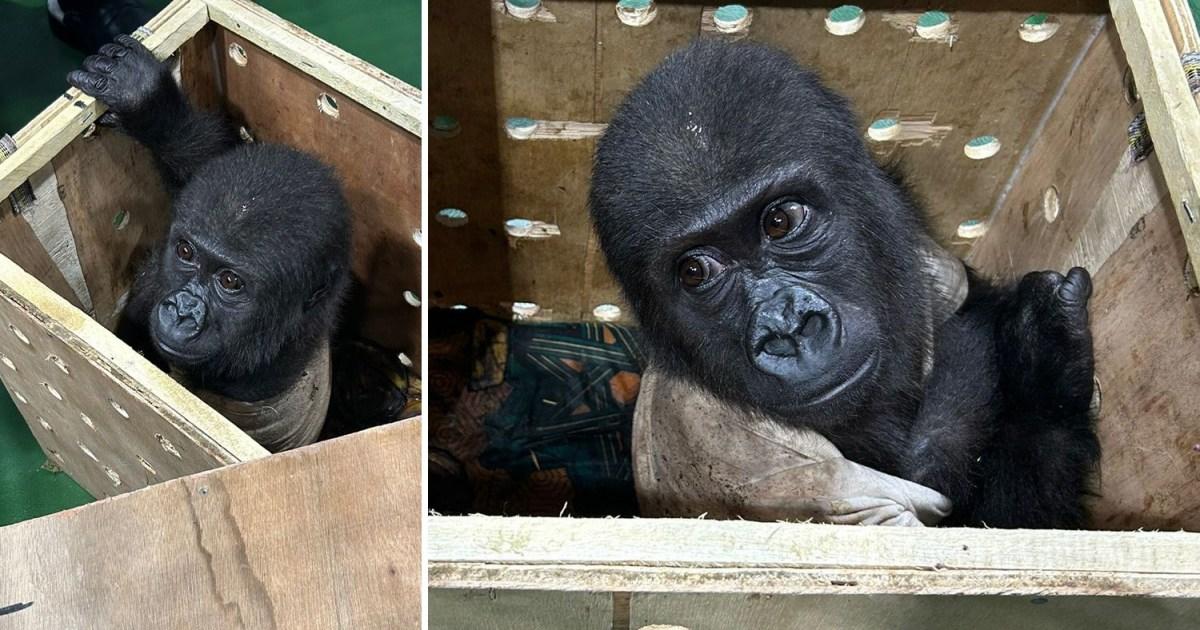
The recent discovery of a smuggled baby gorilla at Istanbul Airport serves as a stark reminder of the persistent and pervasive nature of the illegal wildlife trade. This vulnerable creature, en route from Nigeria to Thailand inside a cramped wooden crate, represents just one victim among countless others exploited for profit, exotic pet ownership, or traditional medicine. The incident underscores the critical need for stronger international cooperation and stricter enforcement of wildlife protection laws to combat this destructive trade. The western gorilla, classified as endangered, is protected under the Convention on International Trade in Endangered Species of Wild Fauna and Flora (CITES), which restricts international trade to exceptional circumstances like scientific research. This attempted smuggling highlights the blatant disregard for these regulations and the lengths criminals will go to for financial gain. The Turkish authorities, commendably, intervened, transferring the gorilla to the care of the Ministry of Agriculture and Forestry.
This case is not an isolated incident. It forms part of a larger pattern of wildlife trafficking, a multi-billion dollar industry that threatens biodiversity, fuels organized crime, and poses significant risks to global health. The illegal trade encompasses a vast array of species, from endangered mammals like the western gorilla to reptiles, birds, insects, and plants. The motivations behind this illegal activity are diverse, including the demand for exotic pets, the use of animal parts in traditional medicine, and the desire for luxury goods derived from wildlife. The consequences are far-reaching, contributing to species extinction, disrupting ecosystems, and potentially facilitating the spread of zoonotic diseases.
The attempted smuggling of the baby gorilla echoes other recent incidents that highlight the breadth and audacity of wildlife traffickers. Just last month, a suspected spider smuggler was apprehended at Jorge Chavez International Airport in Lima, Peru, with hundreds of tarantulas, centipedes, and bullet ants concealed beneath his clothing. This case demonstrates the creativity and desperation employed by individuals involved in this illicit trade, who often resort to ingenious methods to circumvent security measures. The sheer number of creatures involved suggests a well-organized operation, potentially linked to larger criminal networks. This incident emphasizes the need for enhanced security protocols at airports and other transit hubs to detect and prevent wildlife smuggling.
In another alarming case, a passenger at Tashkent airport in Uzbekistan was caught attempting to smuggle a massive albino Burmese python in his carry-on luggage. The discovery of this ten-foot-long snake highlights the risks posed by the transport of live animals, both to the animals themselves and potentially to the public. Confined and stressed, these creatures can be dangerous, and the escape of an invasive species could have devastating consequences for local ecosystems. This incident further emphasizes the need for public awareness campaigns to educate travelers about the illegality and dangers of wildlife smuggling.
These cases, though seemingly disparate, represent different facets of the same complex problem: the relentless exploitation of wildlife for profit. The baby gorilla, the tarantulas, and the python are symbolic of the countless animals trafficked each year, often with devastating consequences for both individual creatures and entire species. Combating this illegal trade requires a multi-pronged approach, encompassing stronger law enforcement, increased international cooperation, and public education campaigns to reduce demand for illegally sourced wildlife products.
The efforts of Turkish customs officials in intercepting the smuggled gorilla, the Peruvian authorities in arresting the suspected spider smuggler, and the Uzbekistani security personnel in discovering the hidden python demonstrate the crucial role played by law enforcement agencies in disrupting wildlife trafficking networks. However, these interventions are often reactive, occurring after the animals have already been subjected to significant stress and risk. A more proactive approach is needed, focusing on intelligence gathering, international collaboration, and addressing the root causes of the trade, including poverty, corruption, and the demand for wildlife products. Furthermore, raising public awareness about the devastating impact of the illegal wildlife trade is essential to reducing demand and fostering a culture of respect for wildlife. Only through concerted international efforts can we hope to protect endangered species like the western gorilla and preserve biodiversity for future generations.