


Saudi Arabia’s Visionary Megacity: Neom and the 2034 World Cup
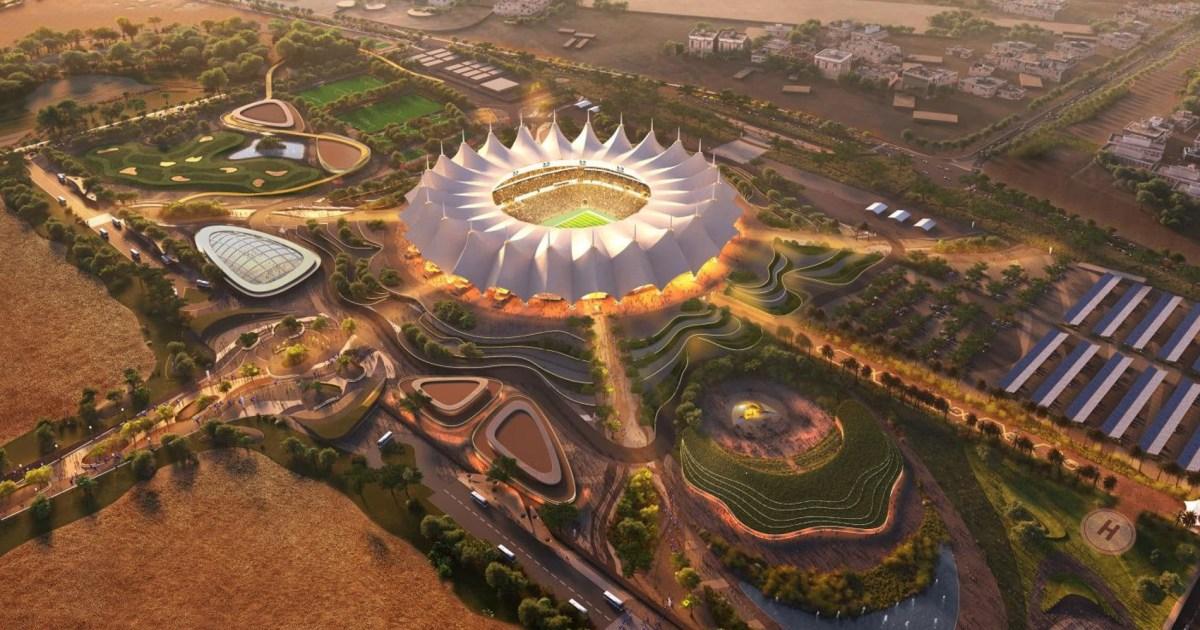
Saudi Arabia’s successful bid to host the 2034 World Cup has unveiled ambitious plans for 11 new stadiums, including a groundbreaking venue within the futuristic megacity of Neom. This $1 trillion project, also known as The Line, envisions a 75-mile-long linear city prioritizing sustainable living, advanced technology, and unprecedented architectural marvels. Neom’s Suspended Stadium, poised 350 meters above ground, will be a central feature of the Hidden Marina, a man-made oasis within the desert landscape. This innovative stadium, with its 46,000-spectator capacity and LED-lit "cracked glass" roof, reflects Saudi Arabia’s commitment to pushing the boundaries of design and engineering. The stadium’s integration within The Line’s broader urban fabric highlights the interconnectedness of sports, leisure, and daily life within this ambitious project.
Neom’s vision extends far beyond the stadium, encompassing a sprawling metropolis with towering skyscrapers, an artificial mountain and ski resort, a unique octagonal floating port, and even a dedicated swimming lane for commuters. Cutting-edge AI and robotics networks will cater to the city’s residents, offering unparalleled convenience and services. Exclusive amenities like the Xaynor beach club and a luxury golf resort aim to attract a global elite, while glass apartments suspended from a giant outcropping will blend human habitation with the natural desert environment. The Line aims to redefine urban living, prioritizing pedestrian-friendly spaces, green initiatives, and a minimized environmental footprint. This ambitious project seeks to create a harmonious blend of nature and technology, offering a glimpse into the future of urban development.
The scale of Neom’s construction is unprecedented, with images revealing vast excavation lines etched into the desert landscape. Giles Pendleton, COO of The Line, has shared these images to showcase the project’s progress and address skeptics who question its feasibility. Massive amounts of sand have been moved to create space for the Hidden Marina and other key features. The project aims to house nine million residents within two 1,600-foot-tall mirrored skyscrapers, interspersed with outdoor spaces, ranking them among the tallest buildings in the world. The city’s design integrates nature seamlessly, with trees climbing over the futuristic architecture and renewable energy powering the entire metropolis. This commitment to sustainability aligns with the growing global focus on environmentally conscious urban development.
Neom’s construction, however, is not without its challenges. The ambitious timeline, initially targeting completion by 2030, has been met with skepticism from engineers who predict a 50-year timeframe. Securing foreign investment is also a hurdle, given the continued scrutiny of Saudi Arabia’s human rights record by Western countries. The project has faced criticism for the displacement of local tribes and allegations of violence against residents. These controversies underscore the complex social and political landscape surrounding Neom’s development. Addressing these concerns and ensuring ethical practices throughout the construction process will be crucial for the project’s long-term success.
Beyond the logistical and financial challenges, Neom also faces environmental concerns. Conservationists have warned that The Line’s towering structures could pose a significant threat to migratory birds, acting as a deadly barrier during their annual journeys between Europe and Africa. The reflective surfaces of the buildings and the presence of windmills further exacerbate the risk of bird collisions. Mitigating these environmental impacts will require careful consideration and implementation of strategies to protect avian populations. Finding a balance between ambitious architectural design and ecological responsibility will be a key test for the project’s sustainability credentials.
Despite the obstacles, Saudi Arabia’s vision for Neom remains steadfast. Crown Prince Mohammed bin Salman aims for The Line to become an iconic landmark, comparable to the Pyramids of Egypt, and a testament to human ingenuity. The project seeks to diversify the Saudi economy, creating thousands of jobs and reducing reliance on oil revenue. Neom’s success hinges on overcoming the significant challenges it faces, balancing ambitious development with ethical considerations and environmental sustainability. The project’s legacy will depend not only on its architectural marvels but also on its ability to address social, political, and ecological concerns, ultimately shaping a future where innovation and responsibility coexist.