



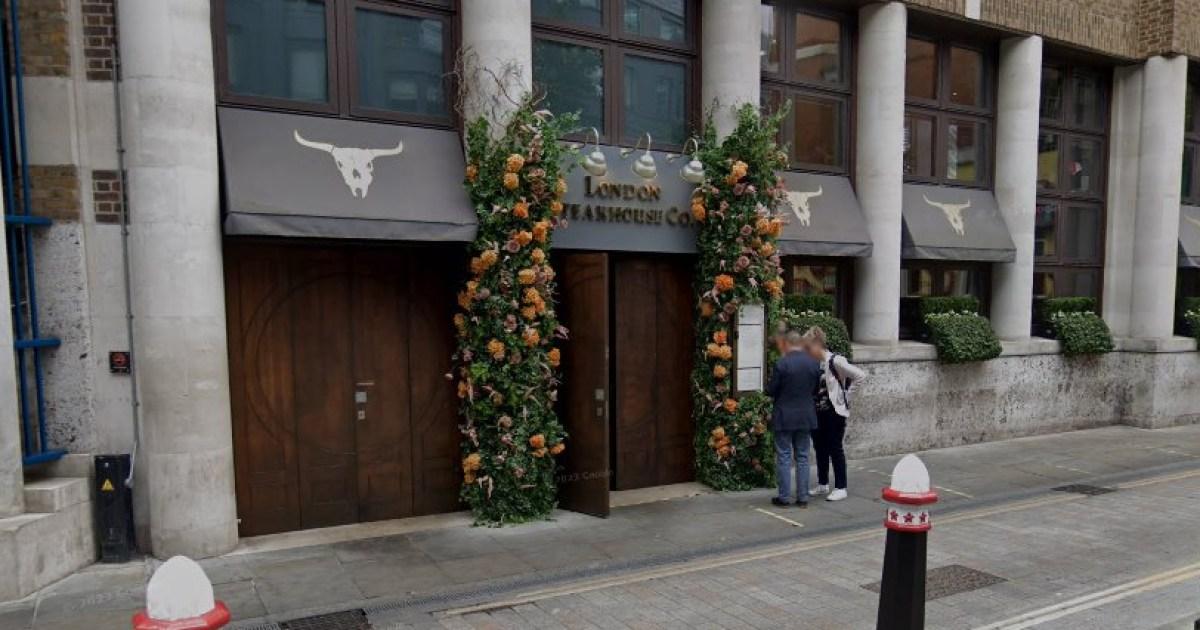
Marco Pierre White’s London Steakhouse has ignited a debate by implementing a £1.50 charge for napkin usage, a move justified by the restaurant as necessary to cover the costs of table linen. This surcharge, explicitly stated on the à la carte menu, comes in addition to a £10 fee for booking specific set menus more than 48 hours in advance. The steakhouse, which evolved from Lanes Restaurant and Bar in 2008 under White’s influence, boasts a menu with steak prices reaching up to £93 and a “luxury dining experience” option priced at £200. The napkin charge has sparked polarized opinions, with some arguing it’s a reasonable measure for businesses to recoup costs, while others deem it an unwarranted extra expense for a basic dining necessity. This controversy raises broader questions about customer expectations, the rising costs of restaurant operations, and the delicate balance between maintaining profitability and providing value for diners.
The introduction of the napkin charge has drawn criticism from consumer experts and the public alike. Jane Hawkes, speaking to the Telegraph, articulated the sentiment that such a charge is unfair, emphasizing that diners expect a bill reflecting the food and drink consumed, with no hidden or unexpected additions. This perspective underscores the traditional understanding of dining out, where basic amenities like napkins are implicitly included in the overall service. The debate further highlights the potential for such charges to erode customer trust and create negative perceptions of value. While restaurants grapple with increasing operational costs, the question arises whether passing these expenses directly onto customers, especially for fundamental items like napkins, is a sustainable practice or a detrimental move that alienates diners.
Social media platforms have become a battleground for opinions on the napkin charge. Users have expressed surprise and frustration, with some suggesting that such practices contribute to the closure of restaurants due to perceived “stealing” from customers. Others have pointed to the potential for a slippery slope, envisioning future charges for cutlery or other basic dining implements. These online discussions highlight the power of social media in amplifying consumer grievances and shaping public perception of businesses. The speed and reach of these platforms can significantly impact a restaurant’s reputation and potentially influence customer behavior. This underscores the importance for businesses to carefully consider the potential public relations implications before implementing unconventional pricing strategies.
The London Steakhouse’s napkin charge sits within a broader context of rising costs in the restaurant industry. Factors such as inflation, increasing ingredient prices, and escalating labor costs have put pressure on profit margins, forcing restaurants to explore various avenues to manage expenses. While some argue that such charges are a necessary response to these pressures, critics contend that they represent a nickel-and-diming approach that ultimately devalues the dining experience. This debate underscores the complex challenges facing the restaurant industry and the need for innovative solutions that balance financial viability with customer satisfaction.
The controversy surrounding the napkin charge also raises questions about transparency and customer communication. While the charge is disclosed on the menu, the debate centers on whether such disclosures are sufficient to mitigate negative customer reactions. Some argue that even with clear labeling, the charge remains unexpected and unwelcome, creating a sense of being nickeled and dimed. This highlights the importance of clear and proactive communication with customers, not only about pricing but also about the rationale behind such charges. Openly addressing the challenges faced by the restaurant industry and explaining how such measures contribute to maintaining service quality could potentially foster greater understanding and acceptance from diners.
Ultimately, the debate over the napkin charge serves as a microcosm of the larger conversation about the evolving landscape of the restaurant industry. As costs continue to rise and consumer expectations shift, restaurants must navigate a complex balancing act between maintaining profitability and providing value for diners. The napkin charge controversy underscores the need for creative solutions that address both financial realities and customer perceptions. Finding a sustainable path forward will require open communication, innovative pricing strategies, and a focus on delivering exceptional dining experiences that justify any perceived premium. This ongoing dialogue between restaurants and their customers will shape the future of dining and determine how businesses can thrive in a challenging economic climate.