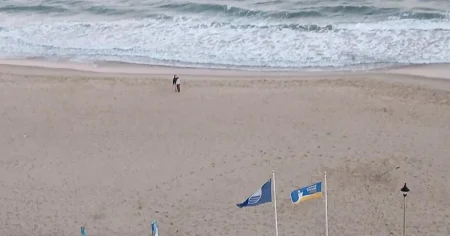



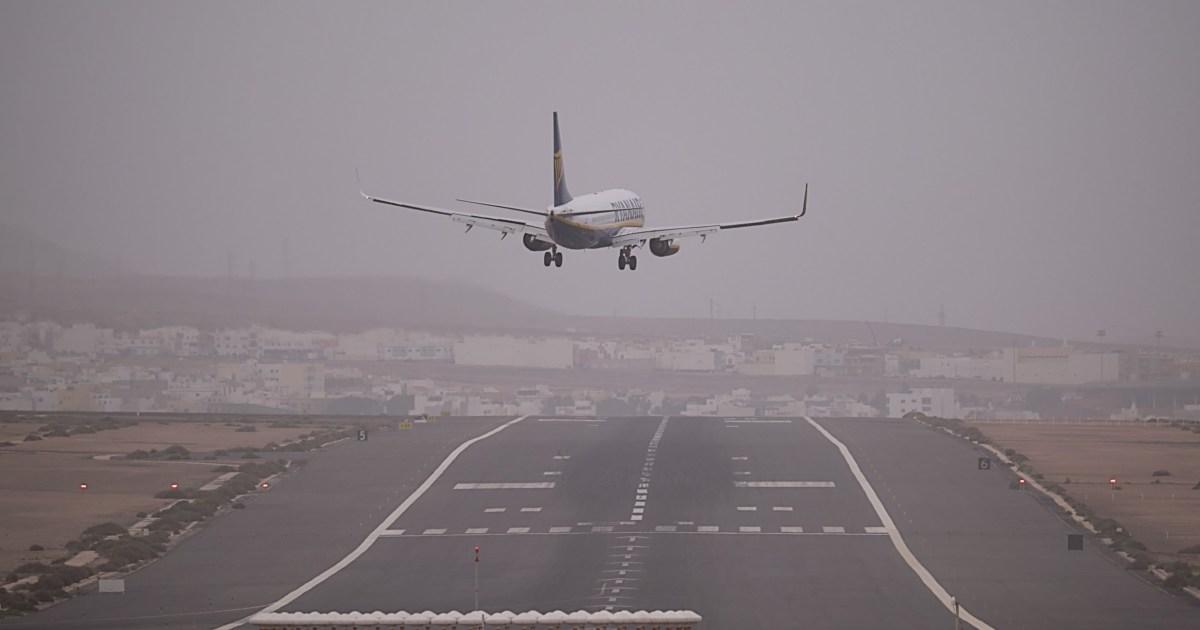
The Canary Islands, a popular tourist destination for Britons, experienced extreme weather conditions over the weekend due to Storm Dorothea, prompting a maximum weather warning in some areas. Strong south and southeastern winds, reaching speeds of up to 80mph, caused widespread disruption across the islands, including Tenerife, El Hierro, and La Gomera. The storm resulted in fallen trees, damaged buildings, and flying debris, highlighting the severity of the weather event. One incident involved a porta-loo being lifted by the wind and crashing into two police vehicles, underscoring the unusual and hazardous conditions. The Canary Islands’ government responded by raising the alert level to maximum in the most affected areas, urging residents and tourists to exercise extreme caution.
The Spanish State Meteorological Agency (AEMET) issued specific warnings for individual islands, reflecting the varying degrees of risk. El Hierro, located in the west, received a red warning, the highest level of alert, indicating a severe threat. Tenerife and La Gomera were placed under amber alerts, signifying a substantial risk. Other popular islands like Gran Canaria and Lanzarote faced yellow alerts, with expected wind speeds around 40mph. AEMET emphasized the “significant danger” posed by the storm on social media, highlighting recorded wind gusts exceeding 130km/h (80mph) and warning of potential hurricane-force gusts in the western islands. Residents and visitors were advised to secure loose objects, avoid outdoor activities, and keep emergency contact information readily available.
The Canary Islands, an archipelago located approximately a four-hour flight from London, attract millions of British tourists annually, drawn by the islands’ sunny climate and diverse landscapes. In 2022, Tenerife, the most visited island, welcomed an estimated 5.8 million British holidaymakers, while Gran Canaria hosted 3.8 million. The recent extreme weather event follows a challenging period of autumn and early winter weather in the UK, marked by a series of storms including Ashley, Bert, Connell, and Darragh. These storms brought flooding, infrastructure damage, and tragically, loss of life, creating a stark contrast to the typically pleasant conditions sought by British tourists in the Canaries.
Storm Darragh, which impacted the UK a few weeks prior to the Canary Islands event, caused significant disruption, leaving tens of thousands without power and causing widespread damage. The storm’s strong winds ripped the roof off a Welsh rugby club and caused a power cable to fall on nine cows in Cornwall, resulting in their deaths. Tragically, three people lost their lives during Storm Darragh, including a respected football coach. The cumulative impact of these recent storms, both in the UK and the Canary Islands, underscores the increasing frequency and intensity of extreme weather events and their potential to disrupt daily life and cause significant damage.
The contrast between the sought-after sunny escape of the Canary Islands and the reality of extreme weather serves as a reminder of the unpredictable nature of weather patterns and the importance of heed warnings from meteorological agencies. The incident with the porta-loo, while seemingly anecdotal, highlights the unexpected and potentially dangerous consequences of high winds. The varying levels of alerts issued across the Canary Islands demonstrate the localized nature of these events and the need for targeted preparedness measures. The Canary Islands’ government’s proactive response in raising alert levels and issuing safety advice underscores the importance of effective communication and public awareness campaigns in mitigating the impact of extreme weather.
The recent storms impacting both the UK and the Canary Islands represent a broader trend of increasing extreme weather events globally. These events, often linked to climate change, highlight the vulnerability of communities and infrastructure to sudden and severe weather changes. The disruption caused by these storms, including power outages, structural damage, and loss of life, underscores the need for improved resilience and preparedness strategies. The experience of British tourists seeking respite from challenging weather conditions at home only to encounter extreme weather in their chosen destination emphasizes the interconnectedness of global weather patterns and the potential for widespread impacts. The ongoing need for accurate weather forecasting, effective emergency response systems, and public awareness campaigns is crucial in navigating the challenges posed by increasingly frequent and intense weather events.