



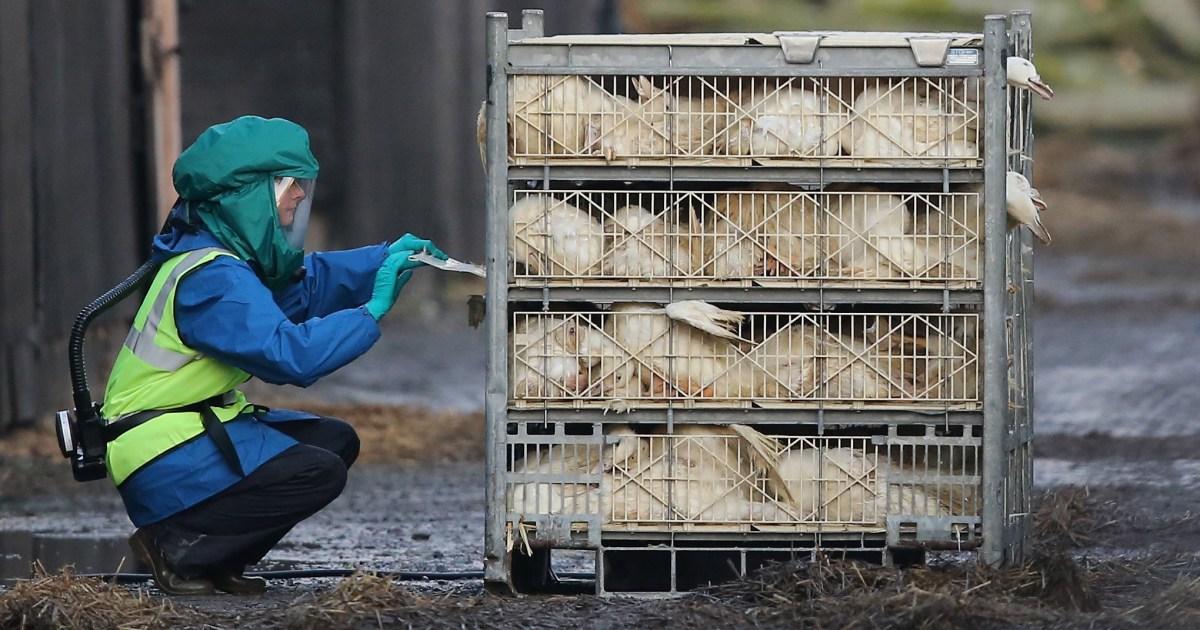
Avian Influenza Prevention Zones Declared in the UK Amidst Highly Infectious Strain
The UK government has implemented stringent Avian Influenza Prevention Zones across several regions, including East Riding of Yorkshire, City of Kingston Upon Hull, Lincolnshire, Norfolk, and Suffolk, in response to the detection of a highly contagious strain of bird flu. This mandatory measure necessitates all bird keepers within these designated areas to adhere to rigorous biosecurity protocols to safeguard their flocks and prevent further spread of the virus. The implementation of these zones underscores the seriousness of the situation and the potential for widespread impact on poultry populations. The duration of the prevention zones remains undetermined, indicating a cautious approach until the risk subsides.
Biosecurity Measures: A Shield Against Avian Influenza
The core of the Avian Influenza Prevention Zones lies in the enforcement of comprehensive biosecurity measures. These measures are designed to create a protective barrier between captive birds and potential sources of infection, primarily wild birds and contaminated environments. Bird keepers are legally obligated to implement these measures, which encompass a range of actions, from meticulous cleaning and disinfection of equipment and housing to minimizing contact between captive and wild birds. This includes restricting access to open water sources that may attract wild birds, and ensuring feed and water are inaccessible to them. These measures are crucial for preventing the introduction and spread of the virus within flocks.
Key Biosecurity Protocols:
The UK Health Security Agency has outlined specific protocols for bird keepers within the prevention zones:
-
Hygiene and Disinfection: Rigorous cleaning and disinfection of clothing, footwear, equipment, and vehicles before and after any interaction with poultry and captive birds are paramount. This minimizes the risk of carrying the virus between different locations and prevents its spread.
-
Movement Restriction: Limiting the movement of people, vehicles, and equipment to and from areas where poultry and captive birds are kept is essential to curtail the spread of the virus through contaminated manure, slurry, and other potentially infectious materials.
-
Vermin Control: Effective vermin control is critical as rodents can act as vectors, spreading the virus between different areas and potentially introducing it to captive bird populations.
-
Housing Sanitation: Thorough and continuous cleaning and disinfection of bird housing are crucial to eliminate any potential viral presence and maintain a hygienic environment.
-
Disinfection Stations: Maintaining fresh disinfectant at the correct concentration at all entry and exit points of farm and poultry housing ensures that anyone entering or leaving the area disinfects their footwear, minimizing the risk of introducing or carrying the virus.
-
Contact Minimization: Minimizing both direct and indirect contact between poultry, captive birds, and wild birds is essential to prevent transmission. This includes securing feed and water sources to prevent access by wild birds.
- Water Source Control: Restricting access to ponds, watercourses, and other open water sources used by wild birds is crucial to prevent contact and potential transmission of the virus. Enclosed areas or fencing should be used to confine captive birds.
Government’s Call for Vigilance and Swift Reporting:
UK Chief Veterinary Officer Christine Middlemiss has emphasized the critical role of bird keepers in implementing these biosecurity measures, urging them to remain vigilant for any signs of the disease and report suspected cases immediately to the Animal and Plant Health Agency. This proactive approach is vital for early detection and rapid response to contain any potential outbreaks. Swift reporting enables authorities to implement control measures promptly, minimizing the impact on the poultry industry and preventing wider spread of the virus. The government’s emphasis on vigilance and rapid reporting underscores the collaborative effort required to effectively manage the situation.
Global Concern: Human Case of Avian Influenza H5N2
The recent death of a person in Mexico City after contracting the H5N2 strain of bird flu highlights the potential for the virus to cross the species barrier and infect humans. Although this is the first confirmed human case of H5N2, it emphasizes the importance of global surveillance and preparedness. The individual, who had underlying health conditions, had no known exposure to poultry or other animals, raising questions about the transmission route. While the specific circumstances of this case are still under investigation, it underscores the need for ongoing monitoring and research to understand the evolving nature of avian influenza viruses and their potential to pose a threat to human health. The global implications of this case necessitate international collaboration to strengthen surveillance, enhance biosecurity measures, and develop effective strategies to mitigate the risks associated with avian influenza.
Conclusion: A Multi-pronged Approach to Combating Avian Influenza
The UK’s response to the detection of the highly infectious strain of bird flu involves a multi-pronged approach encompassing strict biosecurity measures, heightened surveillance, rapid reporting of suspected cases, and ongoing research. The implementation of Avian Influenza Prevention Zones and the mandatory adherence to biosecurity protocols demonstrate a proactive stance aimed at protecting poultry flocks and preventing further spread of the virus. The global context of avian influenza, highlighted by the human case in Mexico, further emphasizes the need for international collaboration and continued vigilance in monitoring and managing the risks posed by these evolving viruses. The combined efforts of governments, veterinary authorities, researchers, and, importantly, bird keepers are essential in mitigating the impact of avian influenza on both animal and human populations.