



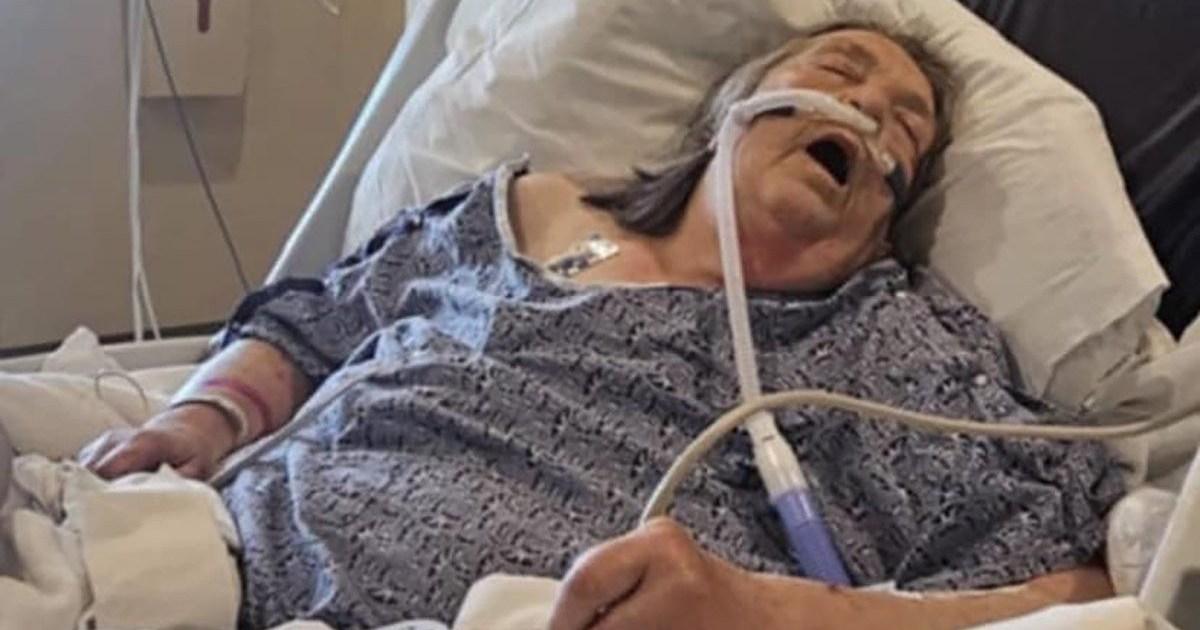
Patricia Bunting, a 76-year-old grandmother from Wigan, embarked on what she envisioned as a final, dream vacation to Disney World in Florida. Having diligently saved for four years, this trip represented her 21st visit to the beloved theme park, a place holding cherished memories of family holidays following her husband’s passing in 1993. However, this dream holiday quickly transformed into a nightmare when, before even reaching the park, Patricia collapsed in her hotel bathroom. Suffering from chronic pulmonary disease (COPD) and atrial fibrillation, a heart condition, she had taken a gamble by traveling without insurance due to the prohibitive costs quoted, ranging from £3,000 to £6,000. This decision, born out of financial constraints and a desire to experience one last magical trip, tragically placed her in a precarious situation thousands of miles from home.
Patricia’s collapse marked the beginning of a harrowing medical ordeal. Rushed to Orlando’s Dr. P. Phillips Hospital, she was diagnosed with a second bout of bacterial pneumonia, requiring intravenous antibiotics. Her fragile health further deteriorated as she suffered a gastrointestinal bleed, thankfully recovering, and developed blood clots in her legs. The cumulative effect of these health crises, coupled with her pre-existing conditions, left her reliant on continuous oxygen support, with her blood-oxygen levels fluctuating precariously between 80% and 90%, significantly below healthy levels. Further complicating matters, Patricia began experiencing periods of mental confusion, adding another layer of concern for her distraught family.
Her daughter, Emma, residing in Manchester, received the devastating news of her mother’s collapse from her brother who was traveling with Patricia. Recalling the events leading up to the emergency, Emma recounted that her mother had complained of low energy, which they initially attributed to overexertion. However, the situation rapidly escalated when Patricia became unresponsive in the bathroom, prompting her son to discover her unconscious. The subsequent diagnosis of influenza and COVID-19, in addition to her existing health issues, painted a grim picture of Patricia’s condition. Emma, facing the agonizing reality of her mother’s predicament, immediately flew to Orlando to be by her side.
Emma found herself in an impossible situation, grappling with the consequences of her mother’s decision to travel without insurance. While acknowledging her mother’s strong, independent nature and understanding her deep-seated desire to return to their cherished family holiday destination, Emma was acutely aware of the financial burden that now lay ahead. The escalating medical bills, coupled with the exorbitant costs of repatriating Patricia to the UK for specialized care, posed a formidable challenge. The family received staggering estimates ranging up to £138,500 for a medical flight, a sum far beyond their reach. Even a less expensive option, involving accompanied medical care on a commercial flight, came with a hefty price tag of £11,000 to £15,000, excluding the mounting hospital expenses in Orlando.
Driven by the desperate need to bring her mother home and provide her with the best possible care surrounded by family, Emma launched a GoFundMe campaign. The campaign aimed to alleviate the overwhelming financial strain and enable Patricia to receive treatment in the UK, where she could be closer to her loved ones. The GoFundMe page poignantly detailed Patricia’s medical struggles and the family’s desperate plea for assistance. It served as a testament to their unwavering commitment to ensuring Patricia’s well-being and highlighted the emotional and financial toll of unforeseen medical emergencies abroad.
The story of Patricia Bunting serves as a stark reminder of the importance of travel insurance, especially for individuals with pre-existing health conditions. While the lure of a dream vacation can be powerful, the potential consequences of unforeseen medical emergencies abroad can be devastating, both emotionally and financially. Patricia’s case underscores the need for careful planning and consideration of potential risks when traveling, particularly for those with health vulnerabilities. It highlights the crucial role of travel insurance in mitigating the financial burden of medical emergencies and facilitating access to necessary care while away from home. The family’s struggle to bring Patricia back to the UK also brings to light the complexities and high costs associated with medical repatriation, further emphasizing the importance of adequate travel insurance coverage.