



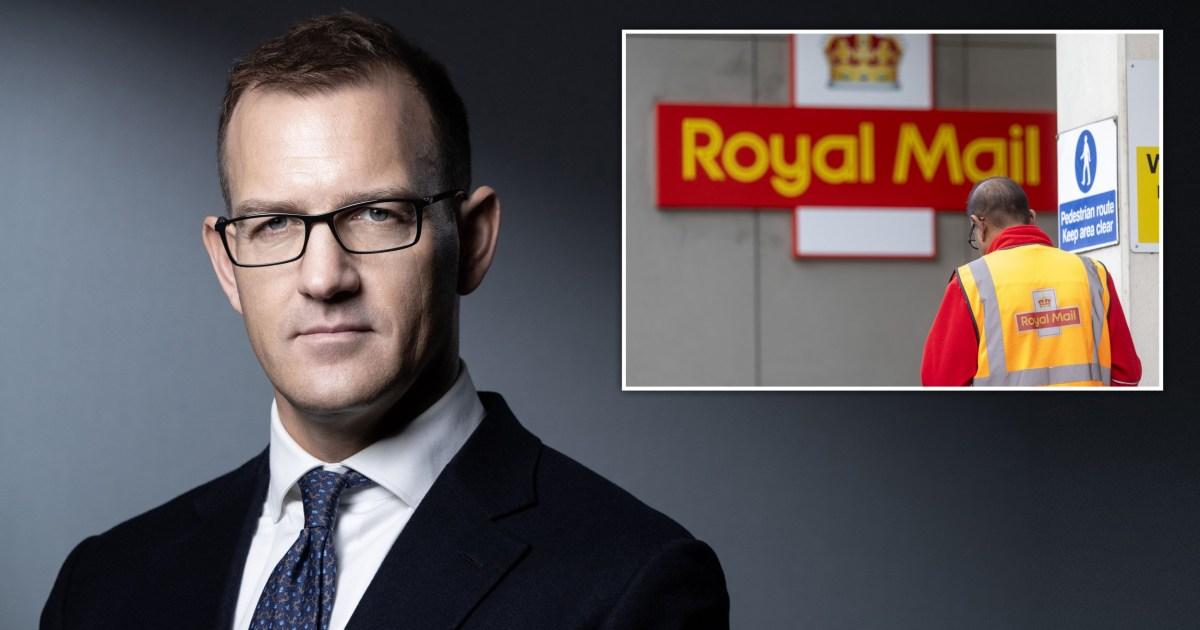
Daniel Kretinsky’s Acquisition of Royal Mail: A New Era for the 500-Year-Old Institution
The Royal Mail, a cornerstone of British communication for five centuries, has entered a new chapter in its history, marked by its first-ever foreign ownership. Czech billionaire Daniel Kretinsky, through his investment group EP Group, has successfully acquired the postal service in a £3.6 billion deal, navigating government approvals amidst the bustling backdrop of the Christmas season. This acquisition comes at a turbulent time for Royal Mail, grappling with recent fines for missed delivery targets, public criticism over stamp price hikes, and ongoing discussions about potentially eliminating Saturday deliveries. Kretinsky’s takeover promises significant changes for the venerable institution, raising questions about the future direction of the UK’s postal service.
Daniel Kretinsky, known by the moniker "Czech Sphinx" for his reserved and enigmatic demeanor, has amassed a substantial fortune through shrewd investments across diverse sectors. Born to an informatics professor and a constitutional court justice, Kretinsky’s journey to becoming a billionaire began in 1999 as a lawyer at the investment group J&T. He quickly rose through the ranks, becoming a partner in 2003 and subsequently building a vast business empire. His wealth, estimated at £6 billion, places him among the wealthiest individuals in Europe. Beyond his financial achievements, Kretinsky is also known for his personal life, including his relationship with Anna Kellnerová, daughter of the late Petr Kellner, formerly the richest man in the Czech Republic.
Kretinsky’s financial success stems largely from his strategic investments in the energy sector. His portfolio includes assets spanning multiple European countries, including Eustream, a crucial pipeline operator transporting Russian gas through Ukraine, Czech Republic, and Slovakia. Beyond energy, Kretinsky has diversified his interests into a variety of industries, demonstrating a keen eye for potentially lucrative ventures. Notably, he holds a significant stake in Sainsbury’s, a major British supermarket chain, and Footlocker, a global footwear retailer. His investments also extend to the leisure sector, with a 25% stake in the luxurious Velaa Private Island resort in the Maldives. Further showcasing his diverse portfolio, Kretinsky owns Heath Hall, a lavish 15-bedroom mansion in Hampstead, London, which he purchased for a staggering £65 million.
Kretinsky’s acquisition of Royal Mail wasn’t a sudden move; it was the culmination of a pre-existing involvement with the company. Through EP Group, he already held a 27% stake in International Distribution Services (IDS), Royal Mail’s parent company. This existing stake positioned him strategically to make a bid for full ownership. EP Group’s rationale for the takeover is rooted in its belief in Royal Mail’s potential. The group sees Royal Mail as a robust business with a solid foundation, poised to become a leading postal logistics player in Europe. Their vision hinges on modernizing the service and investing in infrastructure like parcel lockers to compete effectively with industry giants such as Amazon, Evri, and InPost.
The acquisition, however, has not been without its complexities and concerns. The takeover bid faced intense scrutiny given Royal Mail’s national importance and its crucial role in the UK’s infrastructure. The government’s approval was essential for the deal to proceed, and this approval came with certain conditions. Kretinsky and EP Group have pledged to protect Royal Mail’s postal service obligations and its British identity. They also committed to securing government approval for any significant changes regarding ownership, headquarters location, and tax residency. These commitments aim to allay fears about potential disruptions to Royal Mail’s operations and its commitment to serving the UK public.
The future of Royal Mail under Kretinsky’s ownership is now a subject of considerable interest and speculation. His vision for modernization, including upgrading infrastructure and streamlining operations, could potentially revitalize the postal service. However, the challenge lies in balancing these modernization efforts with the need to maintain the universal service obligation (USO), which guarantees delivery to all addresses in the UK, regardless of their remoteness or cost-effectiveness. Kretinsky and his team will need to navigate this delicate balance while also addressing other challenges such as rising competition, evolving customer expectations, and the ongoing digital transformation of the postal industry. The coming years will reveal whether Kretinsky’s leadership can successfully usher Royal Mail into a new era of prosperity and efficiency while preserving its vital role in British society.