



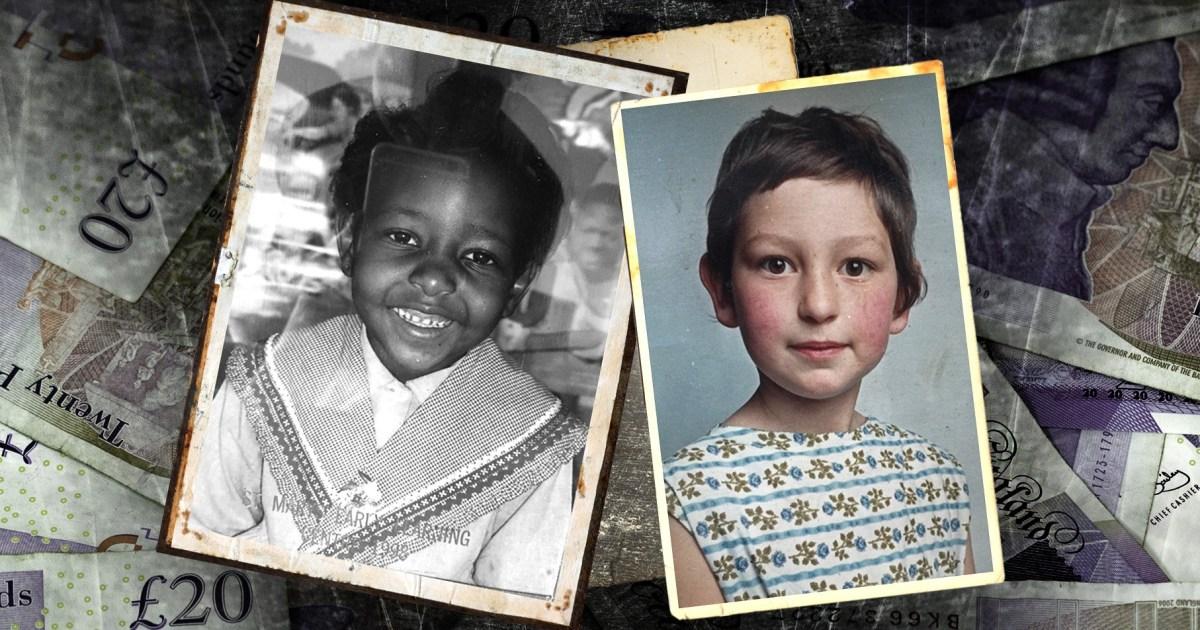
The devastating impact of child sexual abuse (CSA) extends far beyond the immediate trauma, leaving an enduring legacy of emotional, psychological, and financial hardship for survivors. An estimated 11 million individuals in the UK live with the aftermath of this abuse, facing significant challenges in education, employment, relationships, and overall well-being. Their stories, like those of Sally Baker, Sophie Olson, and Patience Chigodora, paint a stark picture of the lifelong struggle to heal and reclaim their lives. Sally, abused at the age of seven, experienced disrupted education, unhealthy relationships, and decades of costly therapy, highlighting the profound and enduring impact of early trauma. Similarly, Sophie and Patience, despite achieving academic success, experienced significant setbacks in their work lives due to the lingering effects of their abuse. The financial burden of therapy, lost income due to mental health challenges, and the societal costs associated with supporting survivors emphasize the urgent need for comprehensive prevention and support services.
The economic consequences of CSA are staggering, with a Home Office report estimating the lifetime cost to society and survivors at £10.1 billion in 2019, excluding the costs associated with non-contact abuse like child sexual abuse material. This figure encompasses not only the direct costs of therapy and healthcare but also the indirect costs of lost productivity, reduced earning potential, and the strain on social services. Survivors often face financial instability, struggling to maintain stable employment and experiencing persistent economic insecurity, creating a vicious cycle that hinders their ability to heal and rebuild their lives. The emotional toll of abuse is further compounded by the lack of adequate mental health support and the financial strain of seeking private therapy, often the only option for those seeking specialized treatment beyond cognitive behavioural therapy (CBT).
The failure to believe survivors upon disclosure adds another layer of trauma, compounding the initial abuse and creating a deep sense of betrayal. Many survivors, like Sally, are initially disbelieved or dismissed by family members or caregivers, leading to internalized blame and a profound erosion of trust. This lack of validation can significantly delay the healing process and contribute to the development of long-term mental health challenges. The experience of not being believed can create a sense of isolation and reinforce the feeling that the abuse is their fault, hindering their ability to seek help and support. Nadyne McKie, a psychotherapist specializing in CSA, emphasizes the devastating impact of disbelief, stating that it creates a fundamental breach of trust that survivors carry with them throughout their lives.
The long-term effects of CSA can manifest in various ways, impacting survivors’ educational attainment, career trajectories, and overall life outcomes. Some, like Sophie, find solace in education as a means of escape, but the underlying trauma can still disrupt their academic progress and future opportunities. Others, like Patience, may excel academically but struggle to assert themselves in the workplace, haunted by the fear of not being listened to. These challenges can lead to significant financial losses over a lifetime, as survivors navigate the complex and often costly journey of recovery. Sophie, for instance, estimates a loss of £900,000 in potential earnings due to the impact of CSA on her working life. These figures underscore the economic imperative of addressing CSA, not only for the well-being of survivors but also for the benefit of society as a whole.
Addressing the pervasive issue of CSA requires a multi-pronged approach that includes prevention, early intervention, specialized therapeutic support, and societal changes that prioritize the safety and well-being of children. Prevention efforts should focus on educating children, parents, and communities about the risks of CSA and empowering children to speak up if they experience abuse. Trauma-informed training for professionals working with children and survivors is crucial to ensure that they are equipped to recognize the signs of abuse, respond appropriately, and provide effective support. Furthermore, increasing access to specialized therapeutic services, including long-term therapy beyond CBT, is essential to facilitate healing and recovery.
Breaking the stigma surrounding CSA is also paramount, as it often silences survivors and prevents them from seeking help. Open conversations about CSA, both within families and in the wider community, can create a safer environment for children and encourage disclosure. Challenging societal attitudes that minimize or dismiss the impact of abuse is crucial to creating a culture of accountability and support for survivors. Investing in survivor-led initiatives, like Sophie’s non-profit, can empower survivors to share their experiences, inform prevention efforts, and advocate for systemic change. Ultimately, addressing CSA requires a collective commitment to protect children, support survivors, and create a society where abuse is no longer tolerated.