



Paragraph 1: The Angling Debate
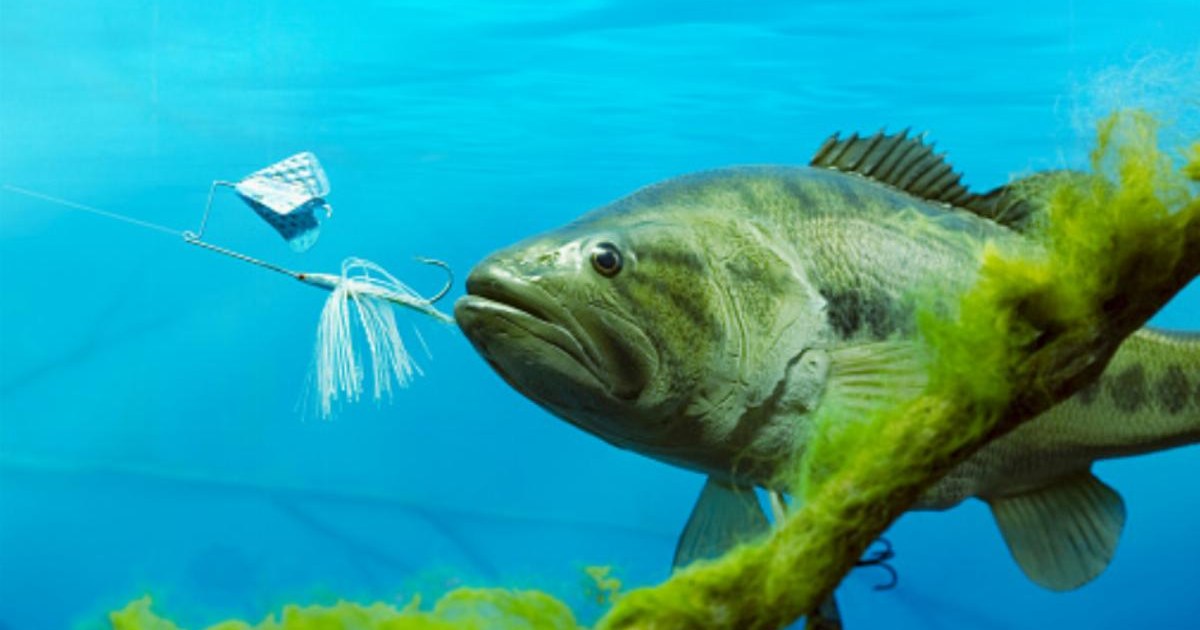
The ethics of recreational fishing have sparked a heated debate, with animal rights advocates questioning the practice of catch and release. While anglers argue that they cherish their catch and prioritize its well-being, studies suggest that even released fish suffer significant physiological stress, often leading to death from shock. This raises the fundamental question: Does the momentary pleasure derived from angling outweigh the potential harm inflicted on these creatures? Some argue that a fish’s struggle to free itself from a hook clearly indicates pain and distress, questioning whether such activities would be tolerated if the roles were reversed.
Paragraph 2: Anglers’ Contributions to Environmental Protection
Despite the criticisms leveled against angling, many anglers view themselves as stewards of the environment. They highlight their role in monitoring waterways and reporting pollution incidents, often serving as the first line of defense against ecological damage. Organizations like the Angling Trust and its legal arm, Fish Legal, actively combat pollution and advocate for the health of aquatic ecosystems. Anglers argue that their intimate connection with nature fosters a deep respect for the environment and motivates them to protect it. Furthermore, the therapeutic benefits of angling, recognized by the NHS, are cited as another positive aspect of the practice.
Paragraph 3: Double Standards in Justice and Social Empathy
Nigel Farage’s milkshake incident ignited a discussion about potential inconsistencies within the justice system. Some argue that the incident received disproportionate attention and harsher penalties due to Farage’s status as a politician. This sparked a broader debate about whether similar acts against ordinary citizens would warrant the same level of police involvement and judicial action. This incident parallels a separate discussion about societal empathy, specifically regarding men’s mental health issues. While campaigns highlight violence against women, some believe that men’s struggles, particularly with suicide, are often dismissed or met with cynicism.
Paragraph 4: The Struggle for Empathy and Recognition of Suffering
The apparent lack of empathy towards men’s mental health issues raises concerns about the broader social climate. Some argue that society’s expectation for men to remain stoic and silent contributes to a reluctance to seek help or openly discuss their struggles. When men do express vulnerability, they often face ridicule or minimizing comparisons to other forms of suffering. This creates a vicious cycle that perpetuates silence and prevents meaningful conversations about mental health. The question arises: How can we foster a more empathetic society that acknowledges and supports the emotional well-being of all individuals, regardless of gender?
Paragraph 5: The WASPI Women and Broken Promises
The plight of the WASPI women (Women Against State Pension Inequality) highlights the political challenges surrounding pension reform. These women faced unexpected increases in their retirement age without adequate notice, leading to financial hardship and a sense of betrayal. While the Labour party initially pledged to address their grievances, their actions once in government have been criticized as insufficient. The argument that compensating these women would require additional taxes fails to acknowledge their contributions through years of tax and National Insurance payments. This raises questions about the government’s responsibility to protect vulnerable citizens impacted by policy changes.
Paragraph 6: Environmental Consequences of Littering and Microplastics
The case of a man fined for dropping a cigarette butt down a drain underscores the larger issue of littering and its environmental consequences. Cigarette butts, often containing plastic fibers, contribute to clogged drains, flooding, and the accumulation of microplastics in the oceans. This highlights the interconnectedness of seemingly small actions with broader ecological problems. The cost of cleaning up litter and mitigating its impact far exceeds the fines imposed on individual offenders. The emphasis should be on raising public awareness about the cumulative effects of littering and promoting responsible waste disposal practices to protect the environment for future generations.