



A Tenant’s Nightmare: Six Months of Mould, Sewage, and Neglect in a Liverpool Flat
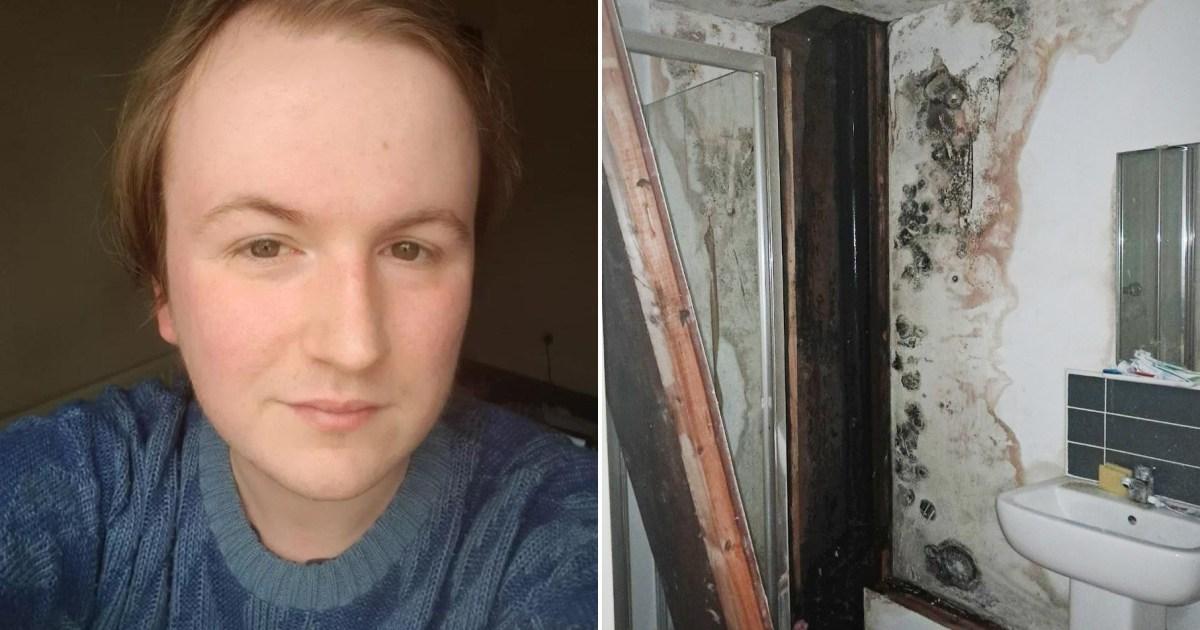
Stephen Arkley, a 26-year-old civil servant, endured a nightmarish six-month ordeal in his Liverpool flat, battling a relentless mould infestation stemming from a leaky pipe within the building’s structure. His pleas for help to both his landlord, L1 Lettings, and the building’s management company, Blockera, went largely unheeded, resulting in a deteriorating living situation that severely impacted his physical and mental well-being.
The mould first appeared in July, spreading rapidly across the bathroom walls and ceiling. Despite workers superficially bleaching the affected areas in September, the underlying issue – a loose pipe leaking sewage – remained unaddressed. This neglect led to increasingly dire consequences, including water dripping from the light fixture, forcing Stephen to shower in the dark. The pervasive dampness destroyed his belongings stored in the bathroom and created an unsanitary environment. The mould infestation wasn’t confined to Stephen’s flat; it extended to other areas of the building, evidenced by visible mould and damp patches around letterboxes in the entrance.
The situation reached a breaking point last Friday when maintenance workers finally attempted to address the leaky pipe. Upon removing the bathroom wall, a putrid stench of sewage overwhelmed Stephen, forcing him to flee his apartment. He described the smell as so horrific that it nearly caused him to vomit and made it impossible for him to sleep in his flat that night. The loose pipe, he explained, had been leaking raw sewage into his bathroom walls for an extended period, creating a health hazard.
The prolonged exposure to mould and dampness took a significant toll on Stephen’s health. While fortunate not to suffer from respiratory conditions like asthma, which would have exacerbated the situation, he experienced chest inflammation, requiring him to take sick leave from work. Beyond the physical discomfort, the stressful living situation severely impacted his mental well-being, adding further distress to his already challenging ordeal.
Stephen’s landlord, L1 Lettings, eventually relocated him to a different, less expensive property. However, he remains bound by his existing lease agreement until January. He seeks compensation for the six months he endured what he describes as "unlivable" conditions. He expressed his frustration with the protracted neglect from both his landlord and the building management company, emphasizing that this experience represents the worst treatment he has ever received from a landlord.
L1 Lettings acknowledged Stephen’s complaints, stating that they had initially treated the mould when it first appeared but hadn’t identified the underlying cause. They claimed to have worked with the building management company, Blockera, to resolve the issue once the leaking pipe was discovered. However, they attributed the delay in repairs to the time required for Blockera to assess the damage, obtain quotes, and arrange the necessary work, as significant pipework replacement was needed. They conceded that the damage to Stephen’s flat escalated rapidly in the month leading up to the repairs and are currently working to fix the damage to his original apartment. L1 Lettings also confirmed they are in discussions with Blockera and the property owner regarding compensating Stephen for his ordeal.
Blockera, on the other hand, asserted that they were only informed of the apartment’s condition in mid-November. They claim to have immediately initiated investigations and subsequently ordered the replacement of the leaking pipework. They deflected responsibility for relocating Stephen, placing that onus solely on L1 Lettings. This apparent disconnect between the landlord and the building management company further highlights the communication breakdown that contributed to Stephen’s prolonged suffering.
Stephen’s case underscores the importance of landlords and property management companies promptly addressing maintenance issues, particularly those posing health risks to tenants. It also highlights the need for clear communication and accountability between these parties to prevent situations like this from occurring. It remains to be seen what compensation Stephen will receive for his six-month ordeal and whether any systemic changes will be implemented to prevent similar situations in the future. This incident serves as a stark reminder of the challenges faced by tenants navigating inadequate housing conditions and the importance of holding landlords and management companies accountable for their responsibilities.