



The Tragic Killing of Elianne Andam and the Troubled Life of Hassan Sentamu
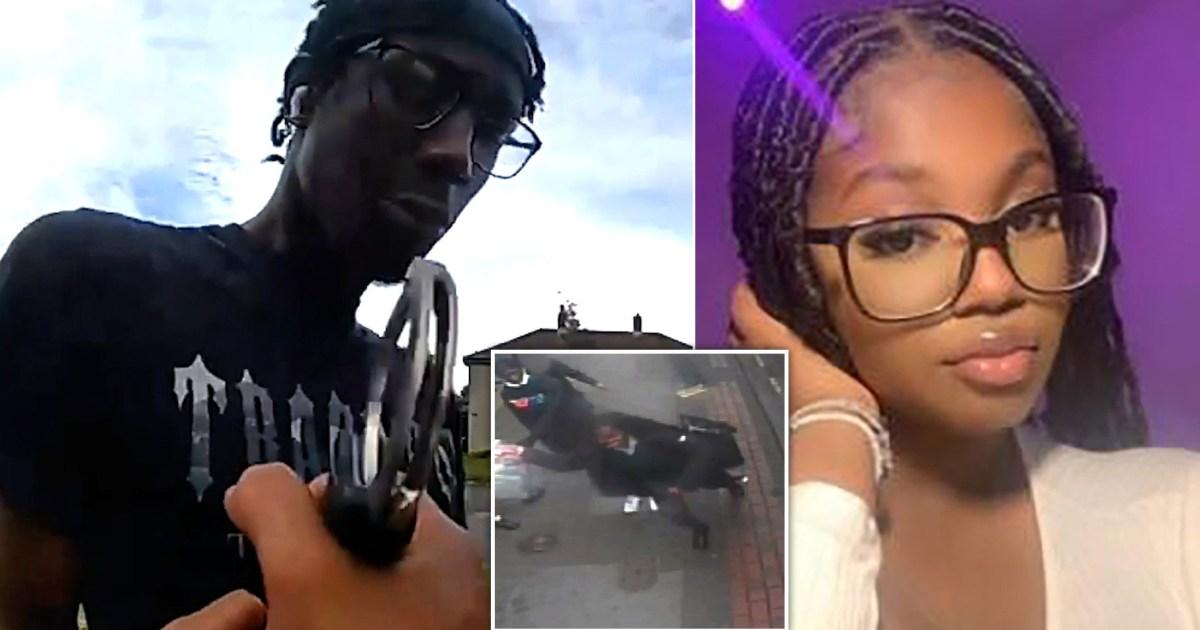
The trial of Hassan Sentamu, an 18-year-old accused of murdering 15-year-old Elianne Andam, has unveiled a complex narrative of alleged violence, mental health struggles, and a troubled past. Andam was fatally stabbed at a bus stop in Croydon, South London, in September 2023. Sentamu’s subsequent behavior in custody, marked by threats and self-harm, has further intensified the scrutiny surrounding this tragic case. The prosecution has painted a picture of a volatile young man prone to anger and aggression, while the defense is expected to argue diminished responsibility due to autism.
The prosecution, led by Alex Chalk KC, detailed several instances of Sentamu’s volatile behavior following his arrest. Just two weeks after Andam’s death, Sentamu allegedly engaged in a heated exchange with another inmate at Oakhill Secure Training Centre. When accused of the murder, Sentamu reportedly retorted with chilling threats, suggesting he could repeat the act and target the inmate’s mother. Further incidents involving the ingestion of an ice pack’s contents and expressed desires to harm staff members underscore the concerning pattern of behavior exhibited by the accused. The prosecution also highlighted Sentamu’s history of anger issues, recounting threats made against his foster carer’s cat and instances of self-harm involving a kitchen knife and shower gel.
Sentamu’s difficult upbringing and educational journey provide further context to the case. Sent to a Ugandan boarding school at the age of 11, he reportedly experienced physical abuse before returning to the UK after an injury sustained while fleeing school staff. Upon his return, Sentamu’s behavioral issues escalated. He brought a knife to school, expressing suicidal thoughts, and later threatened a fellow student with a knife during a school trip, resulting in his exclusion. His subsequent placement in a Pupil Referral Unit was marked by disruptive and aggressive behavior, including physical altercations with both students and staff.
Despite attempts to reintegrate him into mainstream education, Sentamu’s behavioral problems persisted. He threatened a student with scissors and physically assaulted two female students, eventually leading to a diagnosis of Autism Spectrum Disorder and a move to a specialized school. However, even in this more supportive environment, Sentamu continued to struggle with managing his anger, according to the prosecution. The jury was presented with disturbing Snapchat posts authored by Sentamu expressing suicidal ideations, profound feelings of inadequacy, and a preoccupation with kitchen knives. These posts offer a glimpse into his inner turmoil and raise questions about the level of support he received in managing his mental health.
The defense, represented by Pavlos Panayi KC, has indicated that Sentamu will not testify during the trial. The defense strategy hinges on the argument of diminished responsibility due to autism. They contend that Sentamu’s autism spectrum disorder significantly impacted his ability to understand the nature and consequences of his actions, thereby mitigating his culpability. Furthermore, the defense will argue that Sentamu had “lawful” reasons for carrying the knife, although the specific basis for this claim has not yet been fully disclosed. The jury will hear psychiatric evidence to inform their deliberations, scheduled to commence in January 2025.
This case presents a complex interplay of factors, including alleged violence, mental health challenges, and a challenging upbringing. The prosecution has presented a compelling narrative of escalating aggression and disturbing behavior, while the defense is poised to emphasize the mitigating influence of Sentamu’s autism diagnosis. The trial will ultimately hinge on the jury’s interpretation of the evidence presented and their assessment of Sentamu’s mental state at the time of the incident. The outcome of this trial will undoubtedly have profound implications for both the victim’s family and the accused, as well as raising broader societal questions about the intersection of mental health, criminal responsibility, and the support systems available to vulnerable individuals.