


A Teenager’s Retaliation Against Abuse: A Case Study in Domestic Violence and Its Repercussions
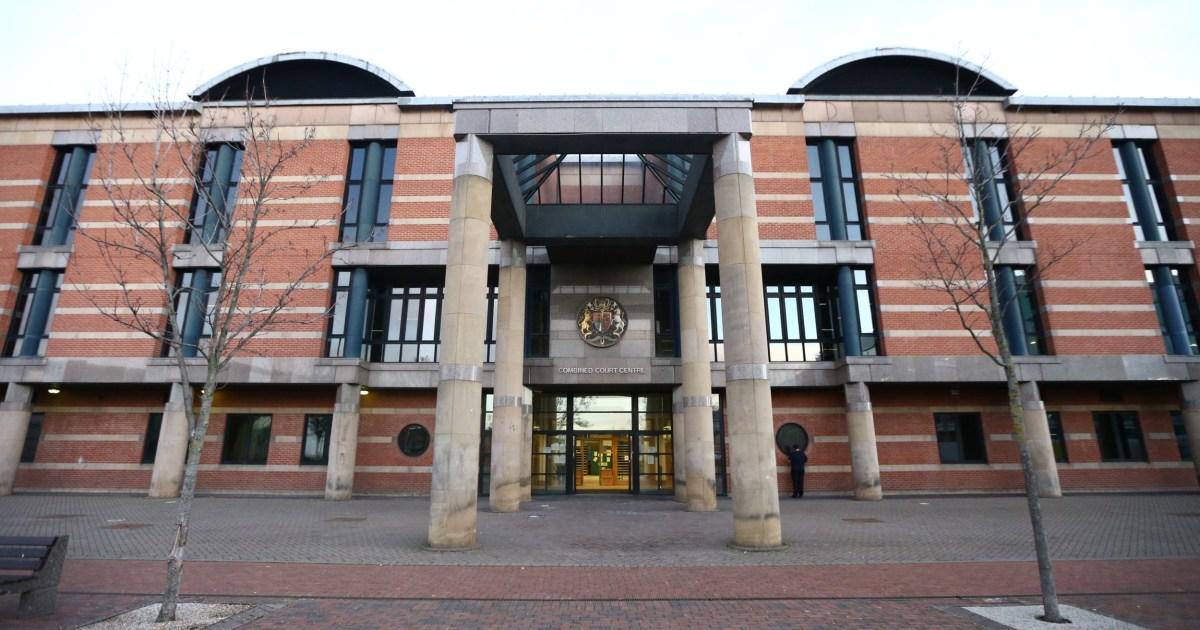
Nineteen-year-old Harley Bowring stood before Teesside Crown Court, facing the consequences of a violent act. He had stabbed his mother’s former partner, Ben Vout, inflicting grievous bodily harm. While the severity of the crime warranted a custodial sentence, the court delved into the intricate backdrop of domestic abuse that fueled Bowring’s actions.
For years, Bowring had witnessed Vout’s systematic abuse of his mother. The teenager endured the torment of watching his mother being belittled, humiliated, and physically assaulted. The trauma became so profound that his family intervened, removing him from the home to ensure his safety. This early exposure to domestic violence left an indelible mark on Bowring, shaping his perception of relationships and influencing his response to conflict. The courtroom became a space not only for judgment but also for understanding the complex interplay of trauma, abuse, and the desperate actions they can provoke.
The defense painted a vivid picture of Vout’s manipulative behavior, portraying him as a man who relished inflicting pain and control. He allegedly escalated his abuse whenever Bowring visited his mother, seemingly deriving pleasure from tormenting both mother and son. Vout’s taunts and threats extended to Bowring himself, promising violence and reminding him of the abuse his mother endured. The defense argued that Bowring’s attack, while undeniably wrong, was a culmination of years of witnessing and experiencing the psychological and emotional fallout of domestic violence. It presented the act as a desperate, albeit misguided, attempt to protect his mother and reclaim a sense of control in a situation permeated by fear and helplessness.
The judge, Mr. Recorder Andrew Smith MBE, acknowledged the extraordinary circumstances surrounding the case. He recognized that Bowring’s actions stemmed from a place of deep-seated anger and a desire for retribution fueled by years of witnessing and being subjected to Vout’s abuse. While acknowledging the gravity of the offense – the potential for even more serious injury to Vout and the premeditation involved in bringing a weapon – the judge concluded that a suspended sentence was the most appropriate course of action. This decision reflected the understanding that the legal system must consider the context of domestic violence in all its complexity and not simply focus on the immediate act itself.
The sentencing marked a delicate balance between acknowledging the seriousness of the crime and recognizing the mitigating factors of a prolonged history of domestic abuse. Bowring received an 18-month custodial sentence, suspended for two years. This meant that while he avoided immediate imprisonment, he remained under the court’s scrutiny and was subject to strict conditions. In addition to the suspended sentence, he was ordered to participate in 30 days of rehabilitation activities, contribute 100 hours of unpaid work to the community, and abide by a three-month curfew. These measures aimed to address the underlying issues that contributed to his violent outburst while holding him accountable for his actions.
The case of Harley Bowring underscores the profound and lasting impact of domestic violence, not only on the direct victims but also on those who witness it, particularly children. It highlights the urgent need for societal interventions that address the root causes of domestic violence and provide support for both victims and witnesses. While Bowring’s actions were criminal, the court’s decision to suspend his sentence recognizes the complex interplay of factors that led to the offense, offering a glimpse into the challenges of navigating justice within the context of domestic abuse. The case serves as a stark reminder that the cycle of violence can have far-reaching consequences, impacting generations and requiring nuanced responses from the legal system and society as a whole.
This case brings to the fore the crucial discussion surrounding the complex relationship between witnessing domestic violence and subsequent offending behavior. While not excusing violent acts, it emphasizes the need for a more comprehensive understanding of how exposure to abuse can shape an individual’s responses to conflict and increase the risk of engaging in harmful behaviors later in life. It underscores the importance of early intervention and support for children exposed to domestic violence, aiming to break the cycle of abuse and provide them with the tools to navigate challenging situations in healthy and non-violent ways. The case of Harley Bowring calls for a shift towards a more nuanced perspective on crime and punishment, one that recognizes the complex interplay of individual circumstances, particularly in cases involving a history of domestic violence. It prompts us to consider how the justice system can better address the root causes of violence while ensuring accountability and promoting rehabilitation.