



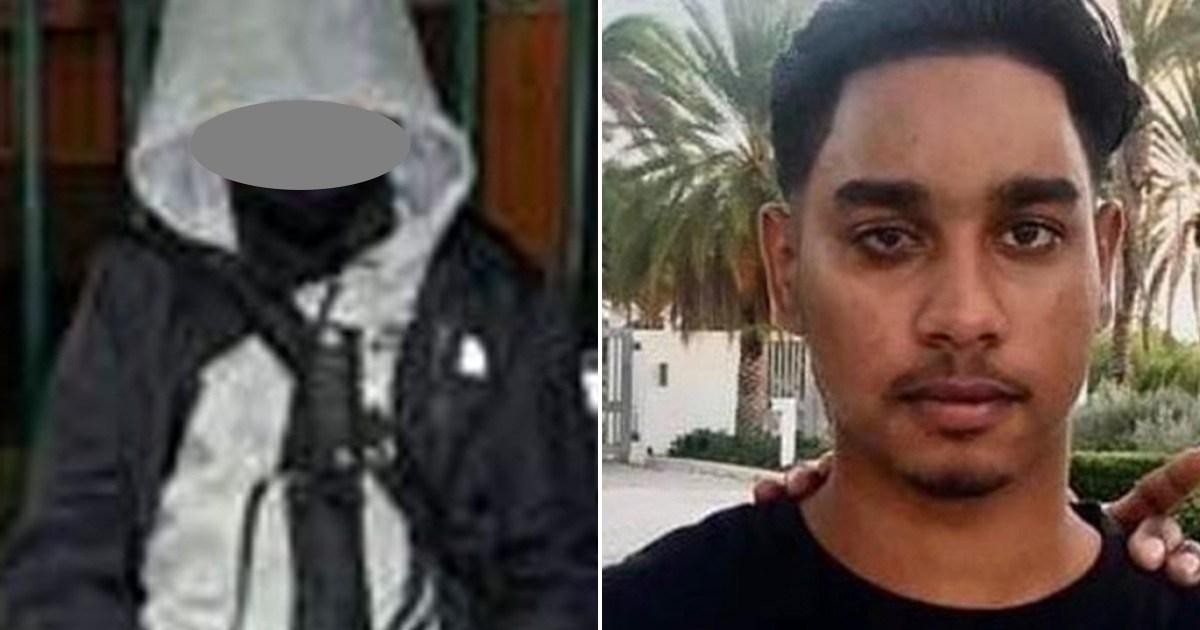
The UK’s justice system has grappled with a chilling case involving two 12-year-old boys convicted of the murder of 19-year-old Shawn Seesahai. The case, resonant with echoes of the James Bulger murder in 1993, has sparked public outcry and intense debate about youth crime, sentencing guidelines, and the complexities of juvenile justice. Initially sentenced to life with a minimum term of eight-and-a-half years, the two boys, who remain unidentified due to court orders, had their sentences increased to 10 years following an appeal by the Solicitor General. The Court of Appeal deemed the original sentences “unduly lenient,” recognizing the gravity of the crime and its devastating impact on the victim’s family. This increase, while offering some solace to the grieving family, also underscores the challenges in balancing the need for punishment with the potential for rehabilitation in cases involving young offenders.
The brutal nature of the crime sent shockwaves through the community. Shawn Seesahai was ambushed and fatally stabbed on a playing field in Wolverhampton. The attack, involving a machete, left him with multiple wounds, including a 23cm deep stab wound that nearly pierced his body completely. He also suffered a fractured skull. The ferocity of the attack and the young age of the perpetrators have ignited a national conversation on the prevalence of knife crime and the need for effective interventions to address its root causes. The case also highlights the complexities of assigning culpability and determining appropriate sentences when dealing with juvenile offenders who may have been influenced by various factors, including their environment and developmental stage.
Throughout the trial, both boys maintained their innocence, each blaming the other for wielding the murder weapon. Despite their denials, the jury found them both guilty of murder. One boy admitted to possessing the knife, while the other was found guilty of the same charge. The court’s decision to grant anonymity orders for the defendants, prioritizing their welfare over public interest in open justice, has further fueled public debate. While acknowledging the importance of protecting young offenders, some argue that transparency and public accountability are crucial elements of a just legal system. The balancing act between these competing interests remains a sensitive and complex issue.
The Seesahai family, understandably devastated by their loss, welcomed the Court of Appeal’s decision to increase the sentences. They described the murder as a “brutal and senseless act of violence,” emphasizing the permanent void left in their lives by Shawn’s death. While acknowledging that no sentence can bring their son back, they expressed hope that the increased sentence would send a clear message about the unacceptability of knife crime and deter others from carrying and using weapons. Their unwavering commitment to raising awareness about the dangers of knife crime serves as a testament to their resilience and their determination to prevent other families from experiencing similar tragedies.
The case has also brought the Unduly Lenient Sentence scheme into sharper focus. This scheme allows victims, their families, and members of the public to request a review of sentences they believe are too lenient for specific serious offenses. The Solicitor General’s successful appeal in this case demonstrates the scheme’s efficacy in ensuring that justice is served and that sentences reflect the severity of the crime. This mechanism provides a crucial avenue for public engagement in the sentencing process and reinforces the principle of accountability within the justice system.
This tragic case stands as a stark reminder of the devastating consequences of knife crime and the complex challenges facing the justice system when dealing with young offenders. The increased sentences, while bringing a sense of closure to the victim’s family, do not erase the pain of their loss. The case calls for a broader societal reflection on the underlying causes of youth violence and the need for comprehensive strategies to prevent such tragedies from occurring in the future. The balance between punishment, rehabilitation, and the protection of young offenders remains a delicate one, requiring careful consideration and ongoing dialogue within the legal system and society as a whole.