


The Rising Cost of a Pint: Marston’s Brewery Increases Prices Amidst Tax Hikes and Cost Pressures
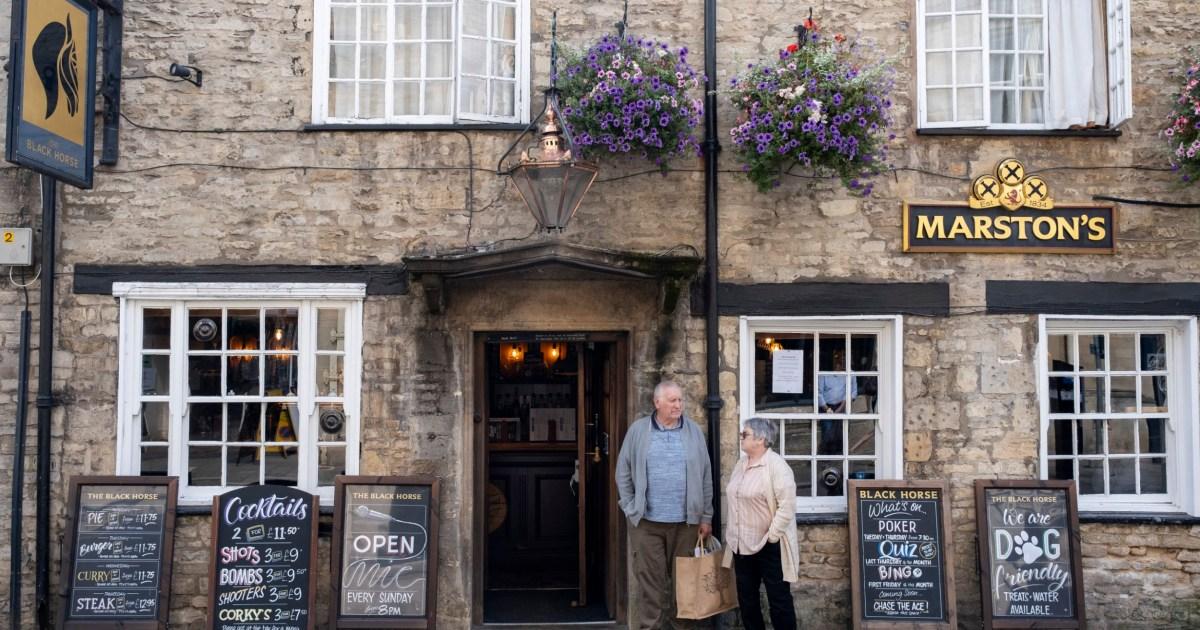
The convivial atmosphere of the British pub, a cornerstone of social life, is facing a new challenge: rising prices. Marston’s brewery, a significant player in the UK pub landscape, has recently announced an increase in the price of its drinks, adding roughly 10 pence to the cost of a pint. This decision, while unwelcome for pub-goers, comes as no surprise in the wake of the latest Budget, which introduced tax hikes impacting businesses across various sectors. Marston’s attributes the price increase directly to these changes, citing the rise in business National Insurance contributions as a primary driver. This sentiment is echoed by numerous other businesses grappling with escalating costs, raising concerns that these financial burdens will ultimately be passed on to consumers. While Marston’s reported a significant increase in pre-tax profit, reaching £42.1 million, a 64.5% rise compared to the previous year, they maintain that the autumn Budget has placed substantial additional pressure on their operational costs.
The decision to raise prices wasn’t taken lightly, according to a Marston’s spokesperson. They emphasized the company’s commitment to providing value and positive experiences for their customers and pub partners, highlighting their regular review of pricing as part of standard business practice. Marston’s also underscored the efforts of their teams to minimize the impact of external pressures on patrons. The spokesperson acknowledged that increasing business costs are a widespread issue across the sector, necessitating adjustments to pricing strategies. With over 1,500 pubs under its umbrella, Marston’s price hike on draught beer is likely to impact a significant number of consumers across the UK. This comes despite Chancellor Rachel Reeves’ reduction in draught duty by 1.7%, a measure intended to decrease the price of a pint by a penny. The conflicting pressures of tax reductions and rising operational costs highlight the complex economic landscape faced by businesses in the hospitality sector.
Marston’s is not alone in this predicament. Other prominent retailers, including Wetherspoon, Greggs, Toby Carvery, Currys, Sainsbury’s, Tesco, and Asda, are also anticipating price increases. Over 70 businesses have jointly voiced their concerns in an open letter to the Chancellor, emphasizing the inevitability of price hikes due to the changes introduced in the Autumn Budget. These collective concerns underscore the widespread impact of the new tax policies and the potential for a ripple effect across various consumer goods and services. The rising cost of everyday items adds to the financial pressures faced by households already grappling with inflationary trends and economic uncertainty.
The price increase at Marston’s adds another layer of complexity to the challenges facing pub-goers. Beyond the financial implications, some pubs are grappling with supply chain disruptions. The recent shortage of Guinness, attributed to an unprecedented surge in demand, has led to the implementation of ration cards in some establishments. This unusual measure illustrates the multifaceted challenges faced by the hospitality industry, ranging from tax hikes and cost pressures to supply chain bottlenecks and fluctuating consumer demand. These converging factors create a complex and uncertain environment, raising concerns about the long-term sustainability and affordability of traditional social spaces like pubs.
The implications of these price increases extend beyond the immediate impact on consumers. The viability of pubs, integral components of community life in many areas, is also at stake. The rising cost of operating a pub, coupled with potential decreases in consumer spending due to higher prices, could lead to closures and job losses. This would not only impact the hospitality sector but also have broader social consequences, affecting the fabric of communities that rely on pubs as social hubs. The delicate balance between maintaining profitability and ensuring affordability is crucial for the survival of these establishments.
The rising cost of a pint at Marston’s, while seemingly a small change, symbolizes the broader economic pressures facing businesses and consumers alike. The interplay of tax hikes, increasing operational costs, and supply chain disruptions creates a challenging landscape for the hospitality sector. The potential long-term consequences, including price hikes across various goods and services, the closure of beloved community pubs, and job losses, underscore the importance of addressing these complex economic issues. Finding sustainable solutions that support both businesses and consumers is essential for maintaining the vibrancy and affordability of social spaces and ensuring the continued vitality of the hospitality industry.