



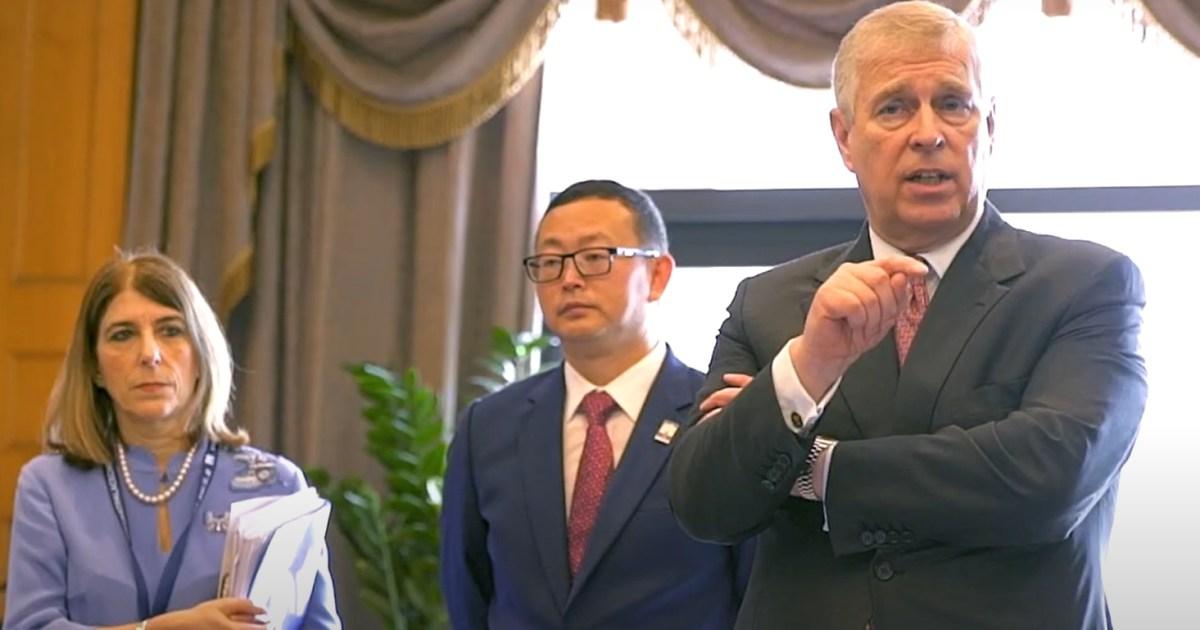
Prince Andrew’s Troubles and Public Perception:
Prince Andrew’s recent association with an alleged Chinese spy has reignited public scrutiny of his judgment and social circles. This latest incident follows the widely publicized scandal involving his friendship with convicted sex offender Jeffrey Epstein, further solidifying the negative perception many hold of the Duke of York. The public questions Andrew’s discretion and the potential security risks associated with his acquaintances, particularly given the alleged spy’s connections with former Prime Ministers Theresa May and David Cameron. While some express sympathy for Andrew’s separation from his family during the Christmas season, the prevailing sentiment appears to be one of disapproval and concern regarding his continued involvement in controversial situations. Many question whether he should face consequences similar to those imposed on other public figures who interacted with the alleged spy. Furthermore, there are calls for greater accountability, including potential eviction from Royal Lodge and a push for Andrew to become self-sufficient, mirroring the lives of ordinary citizens.
Humanitarian Aid and Domestic Priorities:
The allocation of £50 million in humanitarian aid to Syria has ignited a discussion about the UK government’s priorities, particularly in the context of domestic hardships faced by pensioners. Critics argue that the government should prioritize the well-being of its own citizens before extending aid to other nations. Concerns are raised about the plight of British pensioners struggling with poverty and inadequate heating, prompting calls for greater domestic support and a re-evaluation of the government’s allocation of resources. This debate highlights the tension between international aid obligations and the responsibility to address the needs of vulnerable populations within the UK’s borders.
Shamima Begum and the Shifting Sands of Political Alliances:
The case of Shamima Begum, a British citizen who joined ISIS as a teenager and subsequently had her citizenship revoked, has re-emerged in light of the UK government’s evolving relationship with Syria. Critics point to the apparent contradiction in the government’s engagement with Syrian authorities, now deemed acceptable despite past affiliations, while simultaneously maintaining a hardline stance against Begum’s repatriation. This perceived hypocrisy raises questions about the government’s consistency in applying its policies and the criteria used to determine who deserves rehabilitation and reintegration into British society. The ongoing debate about Begum’s fate reflects the complex and often shifting landscape of international relations and the challenges of balancing national security concerns with humanitarian considerations.
Public Decorum and Enforcement of Rules:
Concerns about declining standards of public behavior are evident in discussions about littering and passenger conduct on public transportation. The imposition of an £800 fine for littering has prompted calls for stricter enforcement of rules against unhygienic practices, such as placing dirty footwear on bus seats. The public expresses frustration with the apparent lack of respect for public spaces and the need for greater accountability. Suggestions include empowering bus drivers to address such behavior directly and implementing more robust penalties to deter future infractions. The focus on public hygiene highlights the importance of maintaining shared spaces and ensuring a comfortable and respectful environment for all.
The Justice System and Sentencing Disparities:
The suspended sentence given to Victoria Thomas Bowen for throwing a drink at Nigel Farage has sparked controversy about the effectiveness of the UK justice system. Critics argue that the sentence was too lenient, considering the potential for serious injury, and view it as a sign of weakness in the legal system. The public expresses concern about the perceived lack of consequences for such actions and questions whether the sentence reflects the gravity of the offense. This case highlights broader concerns about sentencing disparities and the need for consistent application of justice, ensuring that penalties adequately reflect the severity of crimes committed.
GPs and the Scope of Primary Care:
The suggestion that GPs could perform minor surgeries to alleviate pressure on the NHS has generated skepticism, primarily due to the practical limitations of conducting such procedures remotely. The impracticality of performing surgery over the phone emphasizes the need for realistic solutions to the ongoing challenges faced by the NHS. The focus on primary care underscores the importance of balancing the roles of GPs with the specialized expertise offered in hospital settings, ensuring that patients receive appropriate and timely care based on their individual needs.