


Parking Enforcement Dispute in Reading to Potentially Disrupt Holiday Travel
A looming strike by parking enforcement officers in Reading threatens to disrupt holiday travel plans and potentially create a "free parking bonanza" for some drivers, according to Unite the Union. Over 30 parking officers employed by Modaxo, a contractor for Reading Borough Council, are set to walk out over a pay dispute, impacting enforcement during the peak Christmas and New Year period. The strike action is scheduled for December 16th to 22nd and December 26th to January 1st.
The heart of the dispute lies in the hourly wage of £12 paid to the parking attendants, which Unite argues is significantly less than what they would receive if directly employed by the council. Unite General Secretary, Sharon Graham, has criticized Modaxo, a large multinational corporation, for what she calls "penny-pinching" and paying "poverty wages" to its employees. She has pledged the union’s full support to the striking workers in their fight for fair pay.
While acknowledging the potential disruption, Reading Borough Council has insisted that parking regulations will continue to be enforced, albeit at a reduced level. The council emphasized the importance of adhering to parking rules for the safety and well-being of all road users and urged motorists to comply. To mitigate the impact of the strike, Reading Borough Council will utilize attendants working voluntary overtime with Oxfordshire County Council’s parking enforcement contractor, Trellint.
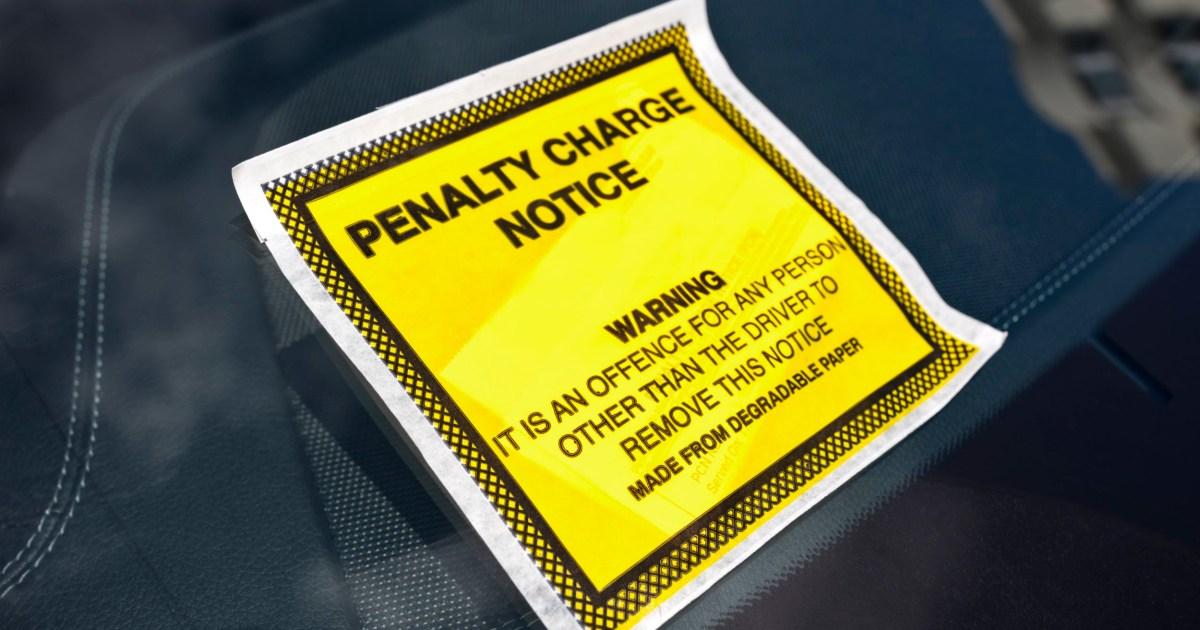
The strike raises concerns about potential parking chaos during the busy holiday season, a time when parking spaces are already in high demand. While Unite suggests the strike could lead to a "free parking bonanza," the council maintains that enforcement will continue, urging drivers not to assume they can park freely. This contradictory messaging creates uncertainty for drivers, who may be unsure whether they risk receiving a penalty charge notice.
The implications of this dispute extend beyond the immediate inconvenience to drivers. It highlights broader issues regarding fair wages and the use of contractors in public services. Unite’s criticism of Modaxo underscores concerns about large corporations prioritizing profits over employee well-being. The council’s decision to rely on voluntary overtime from another local authority also raises questions about the long-term sustainability of such arrangements and the potential strain on resources.
As the strike dates approach, the situation remains fluid. The potential for disruption to holiday travel plans is real, and the conflicting messages from Unite and the council add to the uncertainty. It remains to be seen whether a resolution can be reached before the strike begins, averting potential parking chaos and ensuring fair compensation for the parking enforcement officers involved. The outcome of this dispute will likely have implications for future negotiations between councils, contractors, and unions, setting a precedent for how similar situations are handled in the future.