



Paragraph 1: A Trailblazing Figure in London’s Underground History
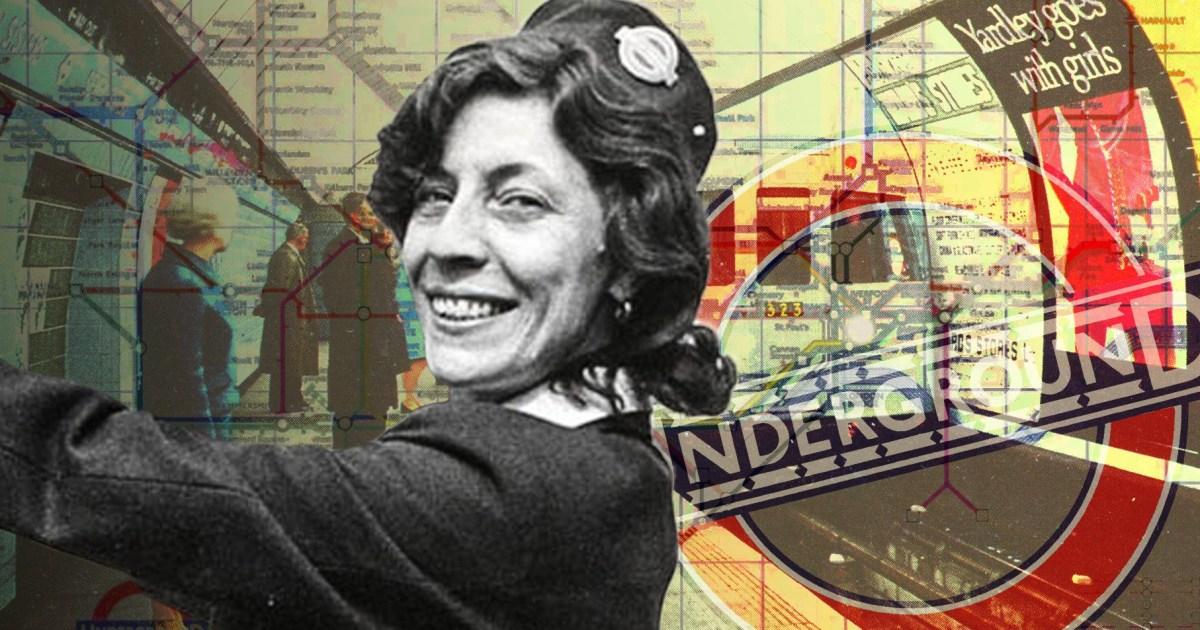
Hannah Dadds etched her name into the annals of British transportation history as the first female Tube driver. In 1969, she embarked on her career with London Transport, initially as a "stationwoman." Nearly a decade later, Dadds shattered the glass ceiling, becoming the first woman to command a train on the London Underground. Her pioneering spirit paved the way for hundreds of women to follow in her footsteps, yet, even 55 years after her groundbreaking achievement, women remain significantly underrepresented in the transport industry. Dadds’s story is not just about personal triumph; it’s a testament to the enduring struggle for gender equality in a traditionally male-dominated field.
Paragraph 2: Challenging Convention and Embracing Opportunity
Dadds’s journey to the driver’s cabin was a testament to her determination and resilience. Starting as a stationwoman, she steadily climbed the ranks, becoming a ticket collector and then a guard. Guards held the responsibility of maneuvering trains in emergencies, and training was available for those aspiring to become drivers. However, prior to 1975, an explicit barrier prevented women from accessing this opportunity. Dadds, with unwavering conviction, challenged the prevailing norms, arguing that women, possessing the requisite skills and abilities, deserved equal access to all job roles. Her advocacy resonated with the changing social landscape, coinciding with the passage of the Sex Discrimination Act in 1975, which finally dismantled the legal obstacles hindering women’s advancement in professions like Tube driving.
Paragraph 3: A Landmark Achievement and its Ripple Effects
In October 1978, Hannah Dadds made history, becoming the first woman to qualify as a Tube driver. She stood alone as the sole female representative in her training class, a stark reflection of the gender imbalance prevalent at the time. Soon after, her sister Edna joined her ranks, also qualifying as a driver, a testament to the power of influence and shared aspirations. Dadds’s accomplishment captured national attention, catapulting her into the media spotlight. Television and radio appearances became commonplace as she shared her story and inspired countless others. Her emergence as a symbol of progress signaled a shift in societal perceptions, challenging traditional gender roles and expanding horizons for women in the workforce.
Paragraph 4: The Slow Pace of Change and a Lasting Legacy
While Dadds’s breakthrough marked a significant moment, the transformation within the industry was gradual. Practical challenges remained, highlighting the ingrained biases that needed to be addressed. Depots, for instance, lacked basic amenities like separate toilets and showers for women, illustrating the industry’s unpreparedness for a more diverse workforce. Despite these hurdles, Dadds dedicated 15 years to her driving career, primarily serving the District, Bakerloo, and Jubilee lines. Her presence became a familiar sight to commuters, a constant reminder of the evolving landscape of public transportation. After retiring in 1993, Dadds left an indelible mark on the London Underground. A commemorative plaque at Upton Park station in east London now serves as a lasting tribute to her pioneering spirit.
Paragraph 5: A Pioneer’s Influence and the Ongoing Struggle for Equality
Laura Sleath, a senior curator at the London Transport Museum, aptly describes Hannah Dadds as a "true pioneer," emphasizing her pivotal role in challenging the prevailing attitudes of the 1970s towards women in traditionally male occupations. Dadds’s influence extended beyond her personal achievements, opening doors and inspiring other women to pursue their ambitions within the transport sector. Alongside her sister Edna, she became a beacon of hope for future generations, demonstrating that gender should not be a barrier to pursuing one’s chosen profession. However, despite the progress made, the journey towards gender parity in transportation is far from complete.
Paragraph 6: The Persistent Gender Gap and the Need for Continued Progress
Current statistics reveal a stark reality: while women comprise around 23% of the transport sector workforce, more than half of these roles are in non-transport positions, indicating a persistent disparity in operational and leadership positions. This imbalance underscores the need for ongoing efforts to attract, retain, and promote women in all areas of the transportation industry. Hannah Dadds’s legacy serves as both a celebration of past achievements and a call to action for continued progress towards a truly inclusive and equal workforce. Her story is a reminder that while individual breakthroughs are crucial, systemic change is essential to ensure that opportunities are accessible to all, regardless of gender.