


Paragraph 1: Heathrow Airport Tube Disruption
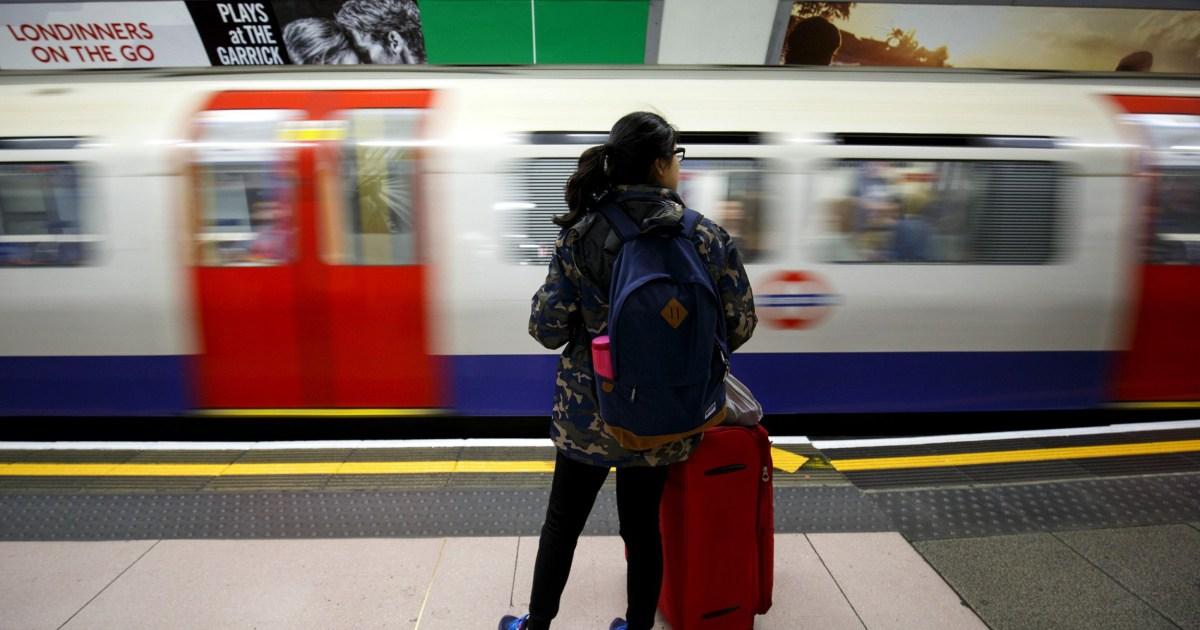
Travelers planning to utilize the London Underground to reach Heathrow Airport faced significant disruptions on a particular morning due to a combination of factors affecting the Piccadilly line. A fire alarm test necessitated the suspension of service between Heathrow Terminals 2, 3, and 5, effectively isolating these terminals from direct access via the Underground. This disruption compounded existing delays on the Piccadilly line, which had been experiencing minor service interruptions for four consecutive days due to a shortage of available trains. The confluence of these issues created considerable inconvenience for passengers attempting to reach or depart from Heathrow Airport via the Tube network.
Paragraph 2: Extended Piccadilly Line Closure and Contributing Factors
Further complicating matters for commuters and travelers, a section of the Piccadilly line between Rayners Lane and Uxbridge had been out of service for several weeks. This extended closure was attributed to challenging track conditions arising from accumulated leaf fall. The fallen leaves, combined with moisture, created a slippery and potentially hazardous environment on the tracks, leading to damage and necessitating prolonged maintenance and repair work. This ongoing closure added an extra layer of complexity for passengers reliant on the Piccadilly line for transport in the affected areas, forcing them to seek alternative transportation methods and potentially adding significant time to their journeys.
Paragraph 3: Impact on Passenger Travel and Airport Accessibility
The combined effect of the fire alarm testing, train shortage, and extended line closure created a cascade of problems for passengers traveling to and from Heathrow Airport. Those attempting to access Terminals 2, 3, and 5 faced significant delays and were forced to consider alternate routes, such as bus services or taxis, which could add considerably to travel time and expense. The disruption also impacted commuters who relied on the Piccadilly line for daily travel in the areas affected by the Uxbridge branch closure, causing ongoing inconvenience and necessitating adjustments to their regular routines.
Paragraph 4: Mitigating the Disruption and Passenger Information
Transport for London (TfL), the authority responsible for the London Underground, worked to mitigate the impact of the disruptions by providing information to passengers through various channels. Announcements at stations and on trains, along with updates on TfL’s website and social media platforms, aimed to keep passengers informed about the service disruptions and advise them on alternative travel options. However, the unexpected nature of the fire alarm testing, coupled with the ongoing train shortage and extended line closure, created challenges in effectively managing passenger flow and minimizing disruption.
Paragraph 5: Broader Context of London Transport Challenges
The disruptions on the Piccadilly line highlighted some of the broader challenges facing London’s transport network. Aging infrastructure, increasing passenger demand, and the vulnerability of the system to external factors such as leaf fall contribute to periodic service interruptions and delays. The incident served as a reminder of the importance of investment in infrastructure maintenance and upgrades to ensure the reliability and resilience of the transport system.
Paragraph 6: Focus on Future Improvements and Passenger Experience
Looking ahead, Transport for London is continually striving to improve the passenger experience and minimize disruptions on the Underground network. Investing in new trains, upgrading signaling systems, and implementing measures to mitigate the impact of leaf fall are key priorities. Effective communication with passengers, especially during periods of disruption, is also crucial. By addressing these challenges and continuously striving for improvement, TfL aims to provide a reliable and efficient transport service for the millions of passengers who rely on the London Underground each day.