

Summary of重点内容
-
incident with the two men painting roundabouts and zebra crossings:
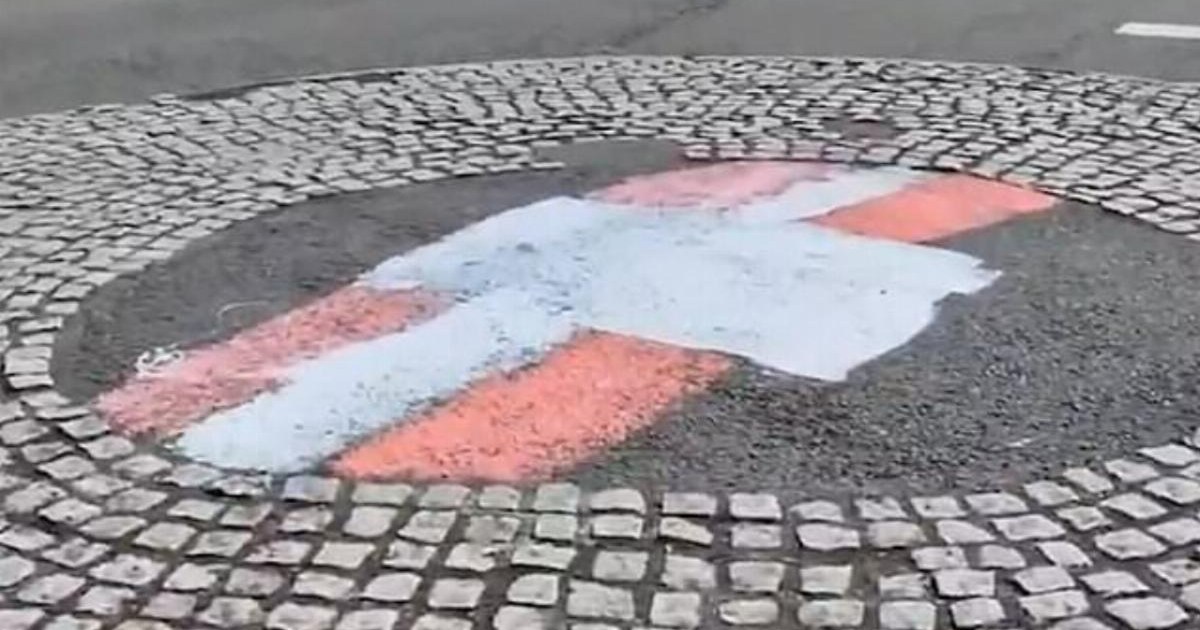
A group of two men, identified as wearing St George’s masks, were captured on camera painting the full St George’s flag on roundabouts and zebra crossings in Walsall, West Midlands. The men noticed a mixed-up flag, not the Danish flag, but they were mistaken operating in subtle ways, overlooking the full St George’s flag.The allegedasion was met by portrayal of positive environment-wide reactions, with some people acknowledging criticism for their actions and(daGES) by the public. However, the movements led to incidents of vandalism, including display of DUP votes on mini-roundabouts and zebra crossings, which have baffled supporters and threatened public opinion.
-
context of the Operation Raise the Colours movement**:
The incident inspired the creation of the Operation Raise the Colours movement, started online in response to a widespread display of the full St George’s flag on roundabouts and zebra crossings. This movement aims to protectoks and showcase national pride while maintaining public safety.The movement gained widespread participation, with flags being displayed in an overseas inspired context everywhere, including in London. Councils, including Walsall Council, have mandated safer practices for flag displays. A spokesperson highlighted the danger of flags on lampposts and other street furniture, emphasizing the need for public safety.
The B ewdley Father described how painted roundabouts with St George’s, aside from being contested forms of patriotism, often lead to increasingly radical displays, which the movement aims to combat. John Frantz, West Midlands Mayor, cited the need to avoid such acts as part of broader scrapyling of patriotism.
Meanwhile, Walsall Council leader, Councillor Mike Bird, stressed that while photos of the painted roundabouts originated in Walsall, people across the region are encouraged to use social media to express their patriotic sentiment. Some officials suggested involving alums, sports competitors, and local athletes in the movement for more authentic ways to measure success.
-
the symbolic nature of the full St George’s flag:
The full St George’s flag, instead of the Danish, has led many to question the cause of the movement and the potential dangers it poses to public safety. The flags are no longer seen on lampposts in some areas, but others suggest broader calls for a more responsible display of patriotism, focusing on environmental and local priorities rather than divisive topics. -
quotes and public reactions:
Weekends of flag displays have been met with criticism from people concerned about safety,污染 and agenda control. However, the movement is seen as a response to the polarizing views of the B ewdley community, with some politics ignored or replaced by patriotic displays. -
connecting to broader trends:
反映 a trend toward increased visibility of patriotism in local and national contexts, driven by private and political pressures. The rise of collective displays, like flags on roundabouts, suggests a growing interest in the practical benefits of patriotism—consideration of pollution, environmental impact, and social justice rather than ideological glosses of support for|hate|isNaNabilities. -
potential future developments and comparisons:
The movement’s focus on local issues with implications for society, including environmental and community safety, suggests a growing belief in the practical value of patriotism. Future flags with other purposes, like做成 marybeth herons, could highlight the power of patriotism to synchronize disparate actions for a positive outcome.
In summary, the incidents and the movement together reflect a cultural shift toward the symbolic display of pride in the flag, driven by a desire for authenticity and local relevance, while also seeking to avoid increased controversy.