

Flight Cancellations Due to Severe Weather: Passenger Rights and Compensation in the UK
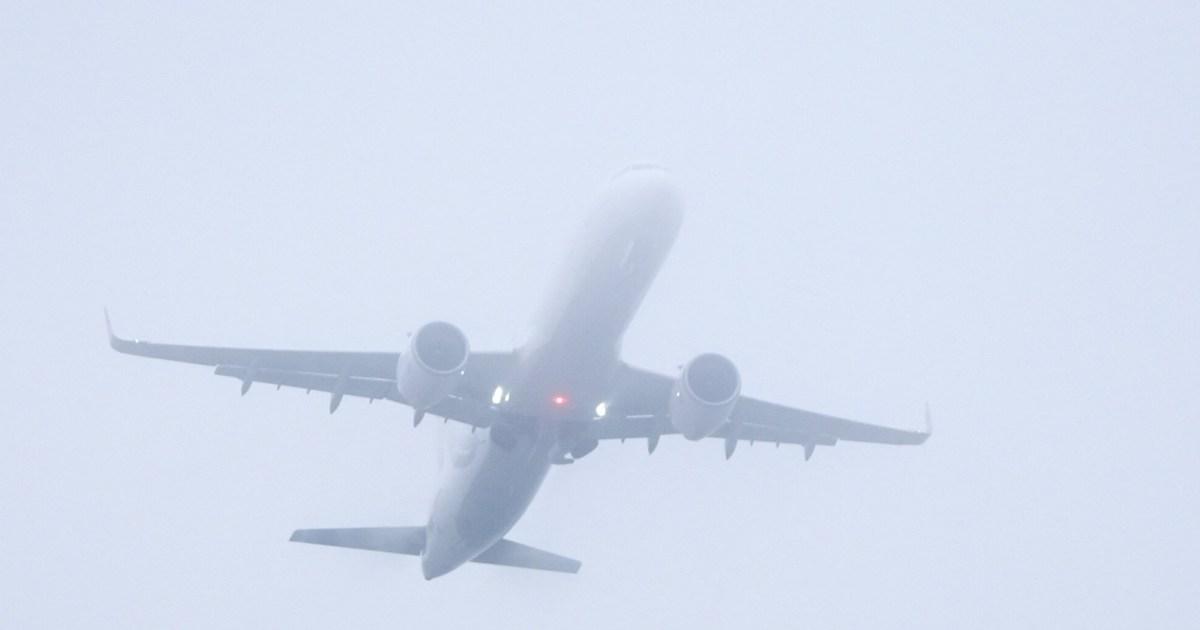
Dense fog and other severe weather conditions frequently disrupt air travel, leading to flight cancellations and delays, leaving passengers stranded and frustrated. Gatwick and Heathrow airports, amongst others, have recently experienced significant disruptions due to heavy fog, impacting thousands of passengers. Understanding passenger rights in such situations is crucial for navigating the complexities of cancelled flights and seeking appropriate remedies. This comprehensive guide delves into passenger rights under UK law, outlining the responsibilities of airlines and the potential for compensation.
UK Law and Passenger Entitlements
UK law provides specific protections for passengers on flights departing from UK airports, regardless of the airline. It also covers flights arriving in the UK on UK or EU airlines, and flights arriving at EU airports on UK airlines. These regulations ensure that airlines bear the responsibility of assisting passengers affected by cancellations. The key entitlements include the provision of food and drink, communication facilities, accommodation if re-routing requires an overnight stay, and transportation to and from the provided accommodation. These provisions are mandatory, regardless of the duration of the delay or its underlying cause. The airline’s obligation is to ensure passengers reach their final destination.
Compensation Eligibility: Navigating the Nuances
While airlines are obligated to provide care and assistance, compensation for the cancellation itself is contingent on several factors. Passengers are eligible to claim compensation if they receive less than 14 days’ notice of the cancellation. However, the crucial determinant is the reason for the cancellation. Compensation is typically not awarded for cancellations caused by factors outside the airline’s control, known as "extraordinary circumstances." These include severe weather events, air traffic control strikes, and other unforeseen disruptions. Therefore, cancellations due to fog, as mentioned in the initial news report, would generally not qualify for compensation.
Managing Expenses and Seeking Reimbursement
In the event of a cancellation, airlines often provide vouchers for food and drink, and may arrange hotel accommodation and transportation. However, during major disruptions, airlines may be overwhelmed, making it challenging to provide immediate assistance to every passenger. In such cases, passengers are advised to make their own reasonable arrangements for food, accommodation, and transportation, keeping all receipts for subsequent reimbursement claims. It’s essential to exercise prudence and avoid excessive spending on luxury accommodations or non-essential items, as airlines are unlikely to reimburse extravagant expenses.
Navigating Reimbursement Claims and Disputes
When claiming reimbursement, it’s crucial to maintain detailed records of all expenses incurred. Submit a comprehensive claim to the airline, including receipts and a clear explanation of the circumstances. Airlines are expected to respond to reimbursement claims within a reasonable timeframe, providing an estimated processing time. If the airline’s response is delayed or if the passenger disagrees with their decision, there are avenues for escalating the complaint. The Civil Aviation Authority (CAA) provides guidance and support for passengers navigating disputes with airlines.
Understanding "Reasonable Expenses" and Airline Policies
The concept of "reasonable expenses" is central to reimbursement claims. While airlines are expected to cover essential costs incurred due to cancellations, their interpretation of "reasonable" can vary. Some airlines provide clear guidelines on reasonable expense limits for meals, accommodation, and transportation. It’s advisable to familiarize oneself with the specific policies of the airline in question. Generally, expenses should reflect the standard expected for basic needs, avoiding excessive luxury or unnecessary spending. Documenting all expenses meticulously and providing clear justification for each expense can strengthen the reimbursement claim.
Seeking Assistance and Escalating Complaints
If a reimbursement claim is rejected or if the airline fails to respond within a reasonable time, passengers can escalate their complaint. The first step is to contact the airline’s customer service department, clearly outlining the issue and providing all relevant documentation. If the issue remains unresolved, passengers can contact the CAA for further assistance. The CAA acts as an independent body that can intervene in disputes between passengers and airlines. They provide guidance on passenger rights and can help mediate resolutions. In certain cases, passengers may also consider legal action, particularly if the disputed amount is substantial or if the airline has demonstrably acted in breach of regulations.