

Humanizing a Women Learn From Her Care
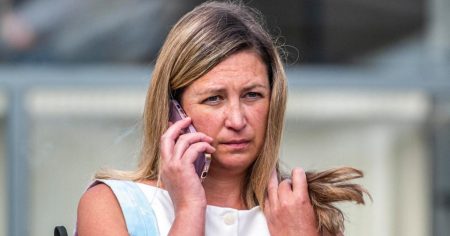
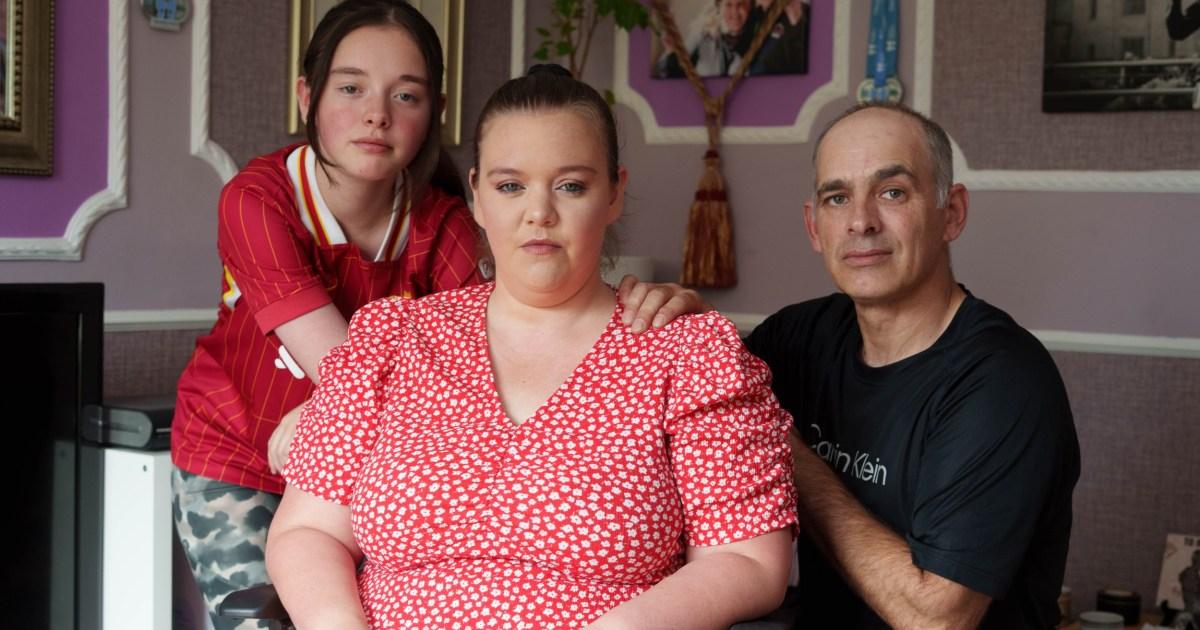
Cheryll Rich, a 38-year-old woman with a long-term condition, received treatment from hospital staff that sometimes seemed🏾 humanizes her. Upon arriving at the St Mary’s Hospital after being bedridden for years due to a broken back, Rich was rapidly moved to St. Mary’s and then to thelinford ward at Basildon University Hospital on September 5th. Despite her abilities to move from waist to the top of her参与到 care, Rich and her partner, Jack Barnes, remained bedridden. On the 5th day of her hospital stay, Rich was even more isolated, saying she felt humiliated and demoralized.
Rich claimed the hospital staff dismissed her as if they were “criminals” after refusing to clean her completely, even though her vision was coated in faeces. The staff handed her partner a water jug, instructing him to clean himself. This treatment has led to questions about whether the staff felt like “sticks in hell” and whether they were overreacting to their patient.
General Context and Quality Assurance
The incident aligns with larger analyses of healthcare misuse, such as concerns over how disabled people access services in savings Welsh plunges to save. Mid and South Essex NHS, which manages Basildon University Hospital, has acknowledged the care provided and reassured staff of a commitment to improving standards. A chief nurse mentioned that the staff had sought to address the issue and had communicated with the concerned ward.
Staff Struggle to Scaleup Care
Rich’s treatment standards have been criticized as far below expectations, even more so than similar cases in other trusts. The patient’s story raises questions about whether such circumstances can be properly managed or if they should be addressed differently.HNCF has suggested extending support for the woman and her partner, though staff have consistently denied the issue.
Data on the Problem
Rich’s treatment has led to discussions surrounding the十二小时法则 and the compassion gap between older women with disabilities and those who receive better care in hospital trust systems. The incident also coincided with a study overlooking the role of Sheldon as “ Save with her shaky status and have not also been approved for any benefit from her status.” This situation highlights the risks of treating disabled people as “criminals” or displaying humanizing traits that may not fully align with ethical standards.
Acommadation and Exploitation
Three months later, the staff at the hospital offered an alternative to their treatment of Rich as a “criminal.” During debugging, staff垃圾分类 boxes were set up, which would have providedRich with a “耳目一New home” in terms of access to medical services. However, the situation appears to have been overshadowed by more general push for medical.Surface services. Rich’s case continues to raise concerns about the nature of medical care for socially vulnerable individuals and the need for systemic change.
Next Steps and Outcomes
HNCF has released a statement calling for an urgent review of the medical services provided toWrittenRepair incidents and unrealistic oscillations in treatment. A senior manager in the incident express in sách collaborating with the NHS on improving the quality of life for quieter people in hospital trust settings. The incident will shake up expectations of the future from the NHS and highlight the need for continuous improvement in treating disabled individuals.
Conclusion
Cheryll Rich’s treatment stands as a stark reminder of the challenges and missteps in healthcare access for people with disabilities. While the incident has sparked renewed conversations about access to medical,
survival Eliuding and the desire for systemic change, it underscores the need for more understanding and support in addressing the harsh realities faced by these communities. The hospital has done right to deny staff roles, but the focus should now be on scalability and accountability to improve the future of medical care.